Kale with Fried Plantains and Toasted Almonds
Posted: September 17, 2014 Filed under: Recipes Leave a comment
Serving Size : 2
1 bunch kale — slice, remove stems
1 teaspoon demi glace
1/2 cup beef stock
1 plantain
beef fat or butter for frying
1 medium onion
salt and pepper to taste
3 tablespoons almonds, toasted
1.) Sauté onions until caramelized, about half an hour, add demi glace and beef stock. Add stock, kale, salt and pepper. Stir, cover. Stir every few minutes until kale is bright green.
2.) In iron frying pan, heat fat to medium high heat. Slice plantains into 1 1/2 inch thick slices. Fry on both flat ends until medium browned. Remove from pan, flatten by pressing down firmly with a small plate or glass. Return to heat and brown really well on both sides. Drain on paper bags.
3.) Place greens on plate, top with plantains.
5.) Garnish with toasted almonds.
Coconut Key Lime Bars
Posted: September 16, 2014 Filed under: Recipes Leave a comment
Makes 12 Bars
2 cups finely crushed Midel (gluten-free) gingersnap cookies
3 tablespoons salted butter — melted
1 tablespoon brown sugar
4 oz. soy cream cheese — softened to room temperature
4 large egg yolks
1 can sweetened condensed milk — (14 oz)
1/2 cup finely shredded coconut
1/2 cup key lime juice
2 teaspoons lime zest
1/4 teaspoon salt
confectioners’ sugar for dusting
Preheat the oven to 350F. Line a 9″X9″ baking pan with aluminum foil, leaving an overhang on the sides, and lightly spray with nonstick spray. Mix together the melted butter and brown sugar. Set aside.
To make the crust, pulverize the crunchy gingersnap cookies into a fine crumb with a food processor. Pour into a medium sized bowl and mix with melted butter and brown sugar mixture. Press firmly and evenly into the prepared baking pan. Bake the crust for 10 minutes.
While the crust is baking, beat the cream cheese until smooth. Beat in the egg yolks until incorporated. Beat in the condensed milk, coconut, lime juice, lime zest, and salt until combined. Pour into the warm crust once it’s done baking.
Bake for 15-18 minutes, or until the edges of the bars begin to brown. Allow the bars to cool at room temperature in the pan or on a wire rack. Once cooled, place in the fridge to chill completely (at least 2 hours).
Once chilled, lift the bars out of the pan using the foil overhang. Cut into squares. Garnish with confectioners’ sugar.
10% Off of Your First Order! Try the Meal Delivery Service!
Posted: September 14, 2014 Filed under: Food and it's Impact on Our Health Leave a comment If You haven’t ordered in 3 months, or you are ordering for the first time…take 10% off of your first order!
Menu and Order Form Week of ; September 15th


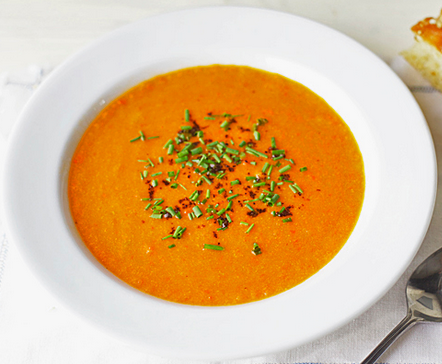
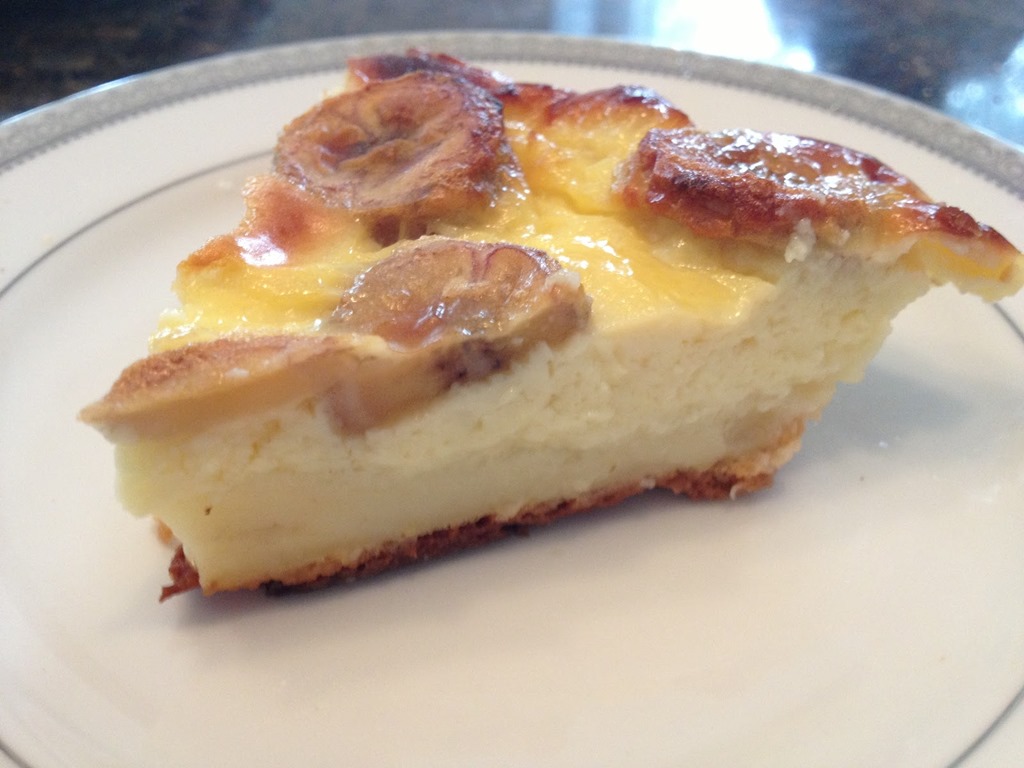
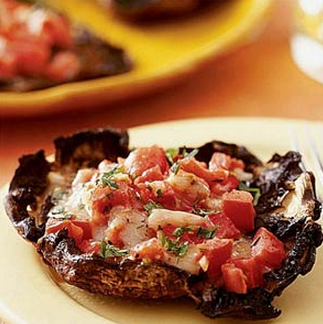
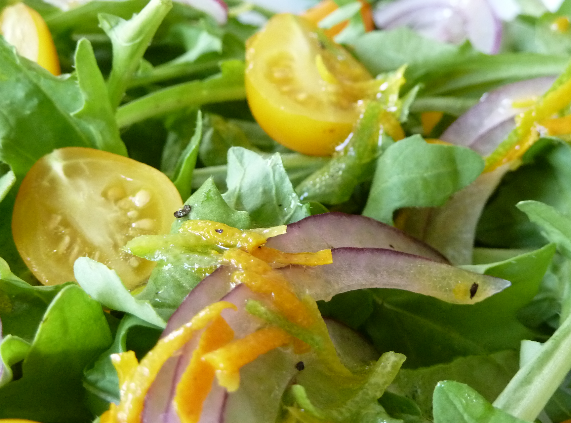 From top left; Roasted Red Pepper Salmon Lasagna, Baby Clams in Green Onion Thai Broth, Roasted Yellow Pepper Soup, Banana Clafouti, Portobello Mushrooms with Ratatouille, Chopped Salad with Tarragon Vinaigrette
Please remember that there is a $50.00 minimum for EACH delivery!
|
# of Servings |
Menu Item |
Amount |
|
|
Tuesday |
|
|
|
Roasted Red Pepper and Salmon Lasagna with Fresh Basil Pesto |
16.00 |
|
Baby Clams Steamed in Green Onion Broth |
7.00 |
|
|
Kale with Plantains and Toasted Almonds |
7.00 |
|
|
Classic Pot Roast with Root Vegetables & Gravy |
16.00 |
|
|
Creamed Yellow Pepper Soup |
7.00 |
|
|
Chopped Salad with Tarragon Vinaigrette |
7.00 |
|
|
Chicken Pot Pie |
16.00 |
|
|
Portobello Mushrooms with Ratatouille |
7.00 |
|
|
Stuffed Potato |
7.00 |
|
|
Banana Clafouti |
5.00 |
|
|
Friday |
||
|
Shrimp and Yam Salad with Avocado and Lime |
16.00 |
|
|
New Potato Salad with Grilled Red Onions & Bacon |
7.00 |
|
|
Swiss Chard with Beets and Raisins |
7.00 |
|
|
Crispy Baked Chicken Breasts |
16.00 |
|
|
Classic Greek Salad |
7.00 |
|
|
Braised Gingered Red Cabbage and Carrots |
7.00 |
|
|
|
Rib-eye Tacos with Onion Jam |
16.00 |
|
|
Spinach Paneer |
7.00 |
|
|
Cucumber and Onion Salad with Dill |
7.00 |
|
|
Macadamia Apricot Snowballs |
5.00 |
|
|
Salad Dressings; Choose from Webpage |
12.95 -12 oz. |
|
|
Mayonnaise; Made with organic olive oil, eggs, Dijon mustard, salt, pepper and organic olive oil. |
12.95 -12 oz. |
|
|
Quart of Soup- New Item!! A quart of Soup. Available on Tuesdays delivery, made with my bone stocks! |
25.00 |
|
|
Deep Dish Breakfast Frittata– 8 servings of layered potatoes, eggs, mushrooms, red peppers, onions and dill. Vegetarian- With Bacon- With Smoked Salmon- |
40.00 45.00 48.00 |
|
|
Total |
|
First orders; Please fill out payment info and address!
Name on Card________________________ Card#_____-________-_________-_______
Exp. Date____________________ Zip Code associated with Card___________________
Delivery Address___________________________________________________________
Phone__________________________
Menu and Order Form Week of ; August 25th
Please remember that there is a $50.00 minimum for EACH delivery!
|
# of Servings |
Menu Item |
Amount |
|
|
Tuesday |
|
|
|
Thai Barbeque Pork Chops |
16.00 |
|
Grilled Eggplant and Greens with Spiced Yogurt |
7.00 |
|
|
Confetti Crunch Coleslaw with Creamy Lemon Caper Dressing |
7.00 |
|
|
Salmon With Siracha Sauce And Lime |
16.00 |
|
|
Spaghetti Squash with Oven-Roasted Tomatoes and Caramelized Fennel |
7.00 |
|
|
Mediterranean-Style Carrot Salad |
7.00 |
|
|
Sweet and Spicy Slow Cooker Pineapple Chipotle Beef |
16.00 |
|
|
Stewed Okra and Tomatoes Creole Style |
7.00 |
|
|
Wild Mushroom Soup |
7.00 |
|
|
Coffee, Cinnamon and Hazelnut Cakes |
5.00 |
|
|
Friday |
||
|
Chicken and Carrots in Tangerine Sauce |
16.00 |
|
|
Sautéed Mushrooms and Pearl Onions with Bacon |
7.00 |
|
|
Sugar Snap Peas and Asparagus with Lemon |
7.00 |
|
|
Coconut Curry Shrimp |
16.00 |
|
|
Asparagus Egg and Bacon Salad with Dijon Vinaigrette |
7.00 |
|
|
Roasted Orange Sweet Potatoes |
7.00 |
|
|
|
Honey Rosemary Pork Chops |
16.00 |
|
|
Fresh Cream of Tomato Soup |
7.00 |
|
|
Sweet and Sour Spinach Salad |
7.00 |
|
|
Key Lime Pudding |
5.00 |
|
|
Salad Dressings; Choose from Webpage |
12.95 -12 oz. |
|
|
Mayonnaise; Made with organic olive oil, eggs, Dijon mustard, salt, pepper and organic olive oil. |
12.95 -12 oz. |
|
|
Quart of Soup- New Item!! A quart of Soup. Available on Tuesdays delivery, made with my bone stocks! |
25.00 |
|
|
Beef Stock Chicken Stock |
20.00 qt. 15.00 qt. |
|
|
Deep Dish Breakfast Frittata– 8 servings of layered potatoes, eggs, mushrooms, red peppers, onions and dill. Vegetarian- With Bacon- With Smoked Salmon- |
40.00 45.00 48.00 |
|
|
Total |
|
First orders; Please fill out payment info and address!
Name on Card________________________ Card#_____-________-_________-_______
Exp. Date____________________ Zip Code associated with Card___________________
Delivery Address___________________________________________________________
Phone__________________________
Lemon Meringue Pie- Lactose and Gluten Free
Posted: September 14, 2014 Filed under: Recipes Leave a comment
4 egg yolks (reserve whites for meringue)
1/3 cup cornstarch
1 1/2 cups water
1 1/3 cups sugar
1/4 teaspoon salt
3 tablespoons butter
1/2 cup lemon juice
1 tablespoon finely grated lemon zest
1 pre-baked pie shell — (9-inch)
Meringue:
4 egg whites
1 pinch cream of tartar
2 tablespoons sugar
1) Adjust the oven rack to the middle position. Preheat oven to 375 degrees F.
2) Lemon Filling: Whisk egg yolks in medium size mixing bowl and set aside.In a medium saucepan, combine cornstarch, water, sugar, and salt. Whisk to combine.
3) Turn heat on medium and, stirring frequently, bring mixture to a boil. Boil for 1 minute. Remove from heat and gradually, 1 whisk-full at a time, add hot mixture to egg yolks and stir until you have added at least half of the mixture.
4) Return egg mixture to saucepan, turn heat down to low and cook, stirring constantly, for 1 more minute. Remove from heat and gently stir in butter, lemon juice, and zest until well combined.
5) Meringue Topping: Place egg whites and cream of tartar in the bowl of a stand mixer fitted with the whisk attachment. Beat egg whites until soft peaks form and then gradually add sugar and continue beating until stiff peaks form, approximately 1 to 2 minutes.
6) Pour mixture into pie shell and top with meringue while filling is still hot. Make sure meringue completely covers filling and that it goes right up to the edge of the crust. Bake for 10 to 12 minutes or until meringue is golden. Remove from oven and cool on a wire rack. Make sure pie is cooled completely before slicing.
AWESOME Gluten Free Pie Crust
Posted: September 14, 2014 Filed under: Recipes 1 Comment
1 cup sweet rice flour
1/3 cup tapioca flour
4 tablespoons potato starch
1/3 teaspoon xanthan gum
2 tablespoons white sugar
1/2 teaspoon salt
1/4 teaspoon baking powder
1/3 cup frozen butter — sliced very thin
3 tablespoons ice cold water
1/2 teaspoon vanilla extract
1) Preheat oven to 375 degrees.
2) Whisk the rice flour, sugar, salt, and baking powder together in a bowl of food processor. Turn off processor, add all of the sliced butter, run processor until mix resembles sand. Turn off, add all of the sliced butter,run processor until dough form a ball.
2) Butter a square of foil that will cover the crust and dip over the sides. Add pie chains to weigh down. As pie chains are expensive, I got two lengths of light chain from the hardware store.
4) Bake for 20 minutes with foil on, then remove and continue baking until golden brown. If you are going to bake again, such as with a Lemon Meringue Pie, bake until very lighly browned.
5) Cool and fill.
Crushed Beets with Lemon Vinaigrette
Posted: September 4, 2014 Filed under: Recipes Leave a commentOne of the best beet recipes I’ve ever eaten!
2 pounds mixed small or medium beets
6 tablespoons olive butter, divided, plus more
Kosher salt and freshly ground black pepper
2 tablespoons finely grated lemon zest
2 tablespoons fresh lemon juice
1/4 cup fresh mint leaves (lightly packed) plus more
torn fresh dill, plus more
Flaky sea salt (such as Maldon)
Preheat oven to 400°. Divide beets between 2 large sheets of foil. Drizzle beets on each sheet with 1/2 Tbsp. melted; season with kosher salt and pepper and wrap up foil around beets. Roast on a rimmed baking sheet until tender, 40-50 minutes. Let cool slightly, then, using a paper towel, rub skins from beets (they should slip off easily). Crush beets with the bottom of a small bowl (it’s alright if they fall apart).
2. Meanwhile, whisk lemon zest, lemon juice, and 2 Tbsp. oil in a large bowl; set vinaigrette aside.
3. Heat 3 Tbsp. oil in a large skillet over medium-high heat. Add beets, season with kosher salt and pepper, and cook until browned, about 4 minutes per side. Transfer to bowl with vinaigrette, add 1/4 cup mint and 2 Tbsp. dill, and toss to coat.
Being Overweight Causes Hazardous Inflammations
Posted: September 3, 2014 Filed under: Food and it's Impact on Our Health Leave a commentRemember that ALL disease begins with inflammation!
August 25, 2014
Source: University of Oslo
A possible molecular explanation for why overweight is harmful has been discovered by researchers. They suggest that overeating increases the immune response. This increased immune response causes the body to generate excessive inflammation, which may lead to a number of chronic diseases. This new knowledge may provide new drugs for heart attack, stroke, cancer and chronic intestinal inflammation.

Too much and too little nutrition may both upset the balance of the immune defense system and increase the risk of diseases, according to Arne Yndestad and Bente Halvorsen.
Credit: Yngve Vogt
Researchers have found a possible molecular explanation for why overweight is harmful. This new knowledge may provide new drugs for heart attack, stroke, cancer and chronic intestinal inflammation.
“We believe that there is a connection between metabolism, inflammation, heart attack and stroke,” says Bente Halvorsen, professor at the Research Institute for Internal Medicine, University of Oslo, Norway. Together with the research group’s leader, Pål Aukrust, who last year received the university’s research award for his work on inflammatory diseases, and researcher Arne Yndestad, she has looked deeply into the molecular explanation of why overweight is harmful. “With this new knowledge, we can better understand why too much food can cause such serious diseases as heart attack, stroke, cancer and chronic intestinal inflammation.”
We eat too much
Malnutrition and insufficient nutrition lower the immune response, and this increases the risk of infections. If the immune defense system functioned normally, the body would respond with an inflammation to rid itself of the infection. When the immune defense system is impaired, the body is unable to defend itself through inflammation.
Overeating increases the immune response. This increased immune response causes the body to generate excessive inflammation, which may lead to a number of chronic diseases.
“It is therefore important to keep a balance. Too little and too much nutrition may both upset the immune defense system and increase the risk of disease.”
A number of diseases are caused by inflammation. Arthritis is a chronic inflammatory disease. Heart attack is an example of a disease that causes an acute and powerful inflammatory reaction.
“We can reduce the inflammatory reaction by losing weight. Some people risk never getting rid of the inflammation. We have attempted to understand what is needed to reduce the inflammatory reaction without having to lose weight,” Halvorsen explains.
Unfortunately, storage of energy causes an inflammatory reaction. The explanation lies in the close connection between the body’s immune system, energy conversion and the way in which we store energy. It can all be explained in terms of evolution. In our ancestors many hundred million years ago, this was all concentrated in one single organ, like in the modern-day fruit fly. Even though in humans this task is divided among three organs — the fatty tissue that stores energy, the liver that converts energy and the immune system — these organs still communicate closely with each other.
Evolutionarily speaking, humans are not made to eat so much on the contrary; they are intended to toil for their food.
“Mankind’s great challenge has consisted in obtaining sufficient food and surviving infections. Today, we rarely die of infections, but on the other hand we eat too much,” says Arne Yndestad.
Damage to the powerhouse in the cells
The researchers believe that overeating may cause stress to the mitochondria. The mitochondria are the cells’ powerhouses, converting fatty acids to energy.
Evolutionary biologists believe that mitochondria were bacteria that as life has developed have become an integrated part of our cells. The immune system may nevertheless perceive the mitochondria as foreign bodies. Much immunological research therefore focuses on the mitochondria.
When fatty acids accumulate in the cells, the mitochondria become stressed and gradually also damaged.
“When the cells receive excessive energy, the system starts to falter, and the engine may stall. Too much fatty acid causes an oxidative stress in the cells. We believe that long-term stress on the mitochondria may cause metaflammation. A metaflammation is a low-grade chronic inflammation over many years, and unfortunately it’s a condition that’s difficult to detect,” says Yndestad.
The body has its own defense system, called autophagy, which should eliminate damaged mitochondria. When we overeat, free fatty acids accumulate in the cells. This stresses the mitochondria. The stress in the cells causes damage to the mechanism that should eliminate the mitochondria.
When damaged mitochondria accumulate, the immune response is activated. This immune response is exactly what causes the inflammation.
Key signal molecules have been found
The UiO researchers, who also work at the new K.G. Jebsen Inflammation Research Centre, have studied some of the signal molecules inside the cells that trigger the inflammatory reaction. In other words, they have found one element of the energy conversion that may explain what happens when the mitochondria are dealing with the fatty acids. The special element, which is also an enzyme, has previously been studied in stroke patients.
“We believe that this enzyme can be regulated by overnutrition and that it is a key constituent in the inflammatory reaction. We have found that the plaque in the arteries of patients with arteriosclerosis contained a lot of this enzyme. When the plaque bursts, the patient may suffer a stroke,” Halvorsen points out.
In trials with mice, the researchers have tested what happens when the amount of this special enzyme is increased. It reduced the degree of arteriosclerosis.
Strengthening the theory
Their theory was strengthened when they studied how the absence of inflammasomes had an effect on heart function. Inflammasomes are part of the intra-cellular immune defense system.
“When the cells received excessive amounts of fatty acids, the inflammasomes were activated, causing an inflammation.”
Mice with heart attacks functioned better when the inflammasomes were removed.
“So this is about restoring the balance in the immune defense system,” says Yndestad .
A correlation with cancer
The researchers believe that their new discovery may also be a key mechanism in the development of cancer.
“Cancer cells need access to a lot of energy to divide. The cellular stress may transform cells to cancer. Studies of overweight may therefore give us a better understanding of cancer,” Halvorsen explains.
One who is particularly interested in this research is Professor Kristin Austlid Taskén at the Institute for Cancer Research.
“People who are overweight more often develop an aggressive variant of prostate cancer. Although the connection between overweight and cancer is well known, however, little is known about the mechanisms involved” Taskén says.
Her specialty is prostate cancer, a disease that strikes 5000 Norwegians each year.
“Since this is the most common form of cancer among men, it is essential to obtain more knowledge about the way in which overweight affects the metabolism of the cancer cells and leads to aggressive prostate cancer. For the cancer cells to be able to divide rapidly, they make use of new metabolic pathways that are quite unknown to us today. It is therefore useful to have more knowledge that can help us find new drugs that can dispose of the cancer cells,” Taskén points out to the research magazine Apollon.
Children: Fruit, vegetable intake still too low; focus on lunch!
Posted: September 3, 2014 Filed under: Food and it's Impact on Our Health Leave a comment
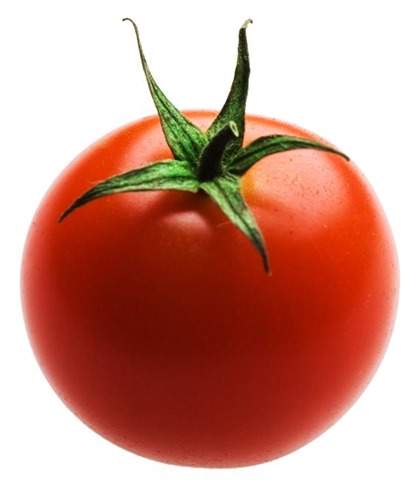
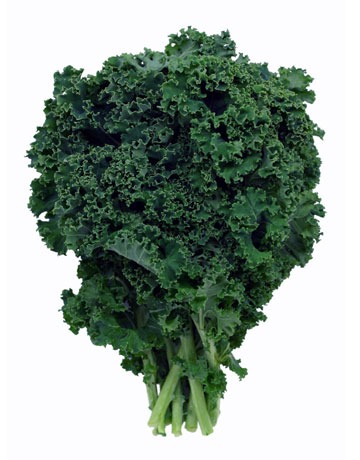 “We talk about five servings a day being pretty easy to accomplish and while it may be easy, we are not getting there,” Procter said. “I think as parents are preparing for back to school, it’s important to realize that it’s fairly simple to accomplish — you just have to plan ahead.”
Procter emphasizes lunch as the most important meal for fruit and vegetable consumption and says that if these nutritious components aren’t included in lunch, it is very hard to reach the recommended five servings a day of fruits and vegetables. She also says improving dietary patterns in children will lead to healthier food habits later in life.
Dietary Guidelines for Americans, 2010, recommends that Americans aged 2+ years eat more fruits and vegetables to add important nutrients that are under consumed, reduce the risk of heart disease, stroke, and some cancers, and help manage weight. Most US residents, including children, consume too few fruits and vegetables. In 2007–2010, 60% of children aged 1–18 years did not meet US Department of Agriculture Food Patterns fruit intake recommendations, and 93% did not meet vegetable recommendations. Because of the benefits of eating fruits and vegetables and because childhood dietary patterns are associated with food patterns later in life, encouraging children to eat more fruits and vegetables is a public health priority.
How to Roast Perfectly Crisp Vegetables
Posted: September 3, 2014 Filed under: Food and it's Impact on Our Health Leave a commentArticle: How Coffee Can Save Your Teeth
Posted: September 3, 2014 Filed under: Food and it's Impact on Our Health Leave a commentHow Coffee Can Save Your Teeth


 Meal Delivery Service by Millie Barnes