Beetroot Juice Before Exercise Might Keep Brains Young
Posted: April 22, 2017 Filed under: Food and it's Impact on Our Health Leave a comment
It might not be everyone’s cup of tea, but beetroot juice has been shown to offer a number of health benefits relating to blood flow. These have included reducing blood pressure, improving running performance and boosting blood flow to the brain. New research has built on this by looking at how it can improve brain performance in older adults, finding that a swig of beetroot supplement before exercise can make it mirror the activity of a younger brain.
Beets are a good source of nitrate, which the body turns into nitric oxide when consumed, increasing blood flow and improving exercise performance. Exercise itself, meanwhile is thought to strengthen the brain’s somatomotor cortex, the region responsible for processing information coming from the muscles. In what they say is the first experiment of its kind, researchers at Wake Forest University investigated what happens to the brain’s networks in older folks when these factors combine.
The team recruited 26 men and women. The subjects did not exercise and had high blood pressure, but took no more than two medications for that condition. Over a period of six weeks, three times a week they drank the beetroot juice Beet-It Sport Shot and then took a 50-minute walk on a treadmill one hour later.
While half of the subjects had the regular Beet-It Sport Shot containing 560 mg of nitrate, the others received a placebo version with very little nitrate. Analysis following the experiment examined the functional brain networks in the motor cortex and those between the motor cortex and insula, which supports mobility.
The team says those receiving the supplement unsurprisingly had much higher levels of nitrate, but that consuming the juice prior to exercise created an excellent environment for strengthening of the motor cortex. The upshot of that was, that when examining the brain networks with MRI, the team found they were significantly enhanced and mirrored that of a younger brain.
“We knew, going in, that a number of studies had shown that exercise has positive effects on the brain,” said W. Jack Rejeski, study co-author. “But what we showed in this brief training study of hypertensive older adults was that, as compared to exercise alone, adding a beet root juice supplement to exercise resulted in brain connectivity that closely resembles what you see in younger adults.”
The scientists note that further research is needed to build on these findings, but the results do suggest that diet could be vitally important as we age, as a way of keeping our brain healthy and functioning properly.
The research paper was published in the Journals of Gerontology.
Sunflower Seeds Traced as Source of Toxic Mold, Potent Liver Carcinogen
Posted: April 22, 2017 Filed under: Food and it's Impact on Our Health, Non-Toxic Choices Leave a comment
Michigan State University researchers have shown that sunflower seeds are frequently contaminated with a toxin produced by molds and pose an increased health risk in many low-income countries worldwide.
In the current issue of PLoS ONE, the team of scientists documented frequent occurrence of aflatoxin — a toxin produced by Aspergillus molds that commonly infect corn, peanuts, pistachios and almonds — in sunflower seeds and their products. This is one of the first studies to associate aflatoxin contamination with sunflower seeds.
The study was conducted in Tanzania, but the problem is by no means isolated there. Chronic exposure to aflatoxin causes an estimated 25,000-155,000 deaths worldwide each year, from corn and peanuts alone. Since it is one of the most potent liver carcinogens known, the research to detect and limit its presence in sunflower seeds and their products could help save lives and reduce liver disease in areas where sunflowers and their byproducts are consumed, said Gale Strasburg, MSU food science and human nutrition professor and one of the study’s co-authors.
“These high aflatoxin levels, in a commodity frequently consumed by the Tanzanian population, indicate that local authorities must implement interventions to prevent and control aflatoxin contamination along the sunflower commodity value chain, to enhance food and feed safety in Tanzania,” he said. “Follow-up research is needed to determine intake rates of sunflower seed products in humans and animals, to inform exposure assessments and to better understand the role of sunflower seeds and cakes as a dietary aflatoxin source.”
Smallholder farmers in Tanzania grow sunflowers for the seeds, which are sold to local millers who press the seeds for oil and sell it to local consumers for cooking. The remaining cakes are used as animal feed.
The seeds become infected by Aspergillus flavus or Aspergillus parasiticus, molds that produce aflatoxin. This contamination has been well studied in other crops, but there is little research published on sunflower seed contamination.
Juma Mmongoyo, a former MSU food science doctoral student and lead author of the study, analyzed aflatoxin levels of seeds and cakes in seven regions of Tanzania in 2014 and 2015. Nearly 60 percent of seed samples and 80 percent of cake samples were contaminated with aflatoxins.
In addition, 14 percent of seeds and 17 percent of cakes were contaminated above 20 parts per billion, the level considered safe by the U.S. Food and Drug Administration. Some samples had levels of several hundred parts per billion.
“Billions of people worldwide are exposed to aflatoxin in their diets, particularly in places where food is not monitored regularly for contaminants,” said Felicia Wu, the Hannah Distinguished Professor of Food Science and Human Nutrition and Agricultural, Food and Resource Economics at MSU and study co-author. “Our previous work with the World Health Organization on the global burden of foodborne disease showed that aflatoxin is one of the chemical contaminants that causes the greatest disease burden worldwide.”
To help solve that problem, Wu founded the Center for the Health Impacts of Agriculture. The center tackles global issues, such as antibiotics given to livestock and poultry that seep into soil and nearby bodies of water, and the association between malaria incidence and irrigation patterns in sub-Saharan Africa.
MSU scientists John Linz, Muraleedharan Nair and Robert Tempelman contributed to this study. Jovin Mugula of the Sokoine University of Agriculture (Tanzania) also contributed to this research.
Pineapple for Osteoarthritis
Posted: April 21, 2017 Filed under: Food and it's Impact on Our Health Leave a comment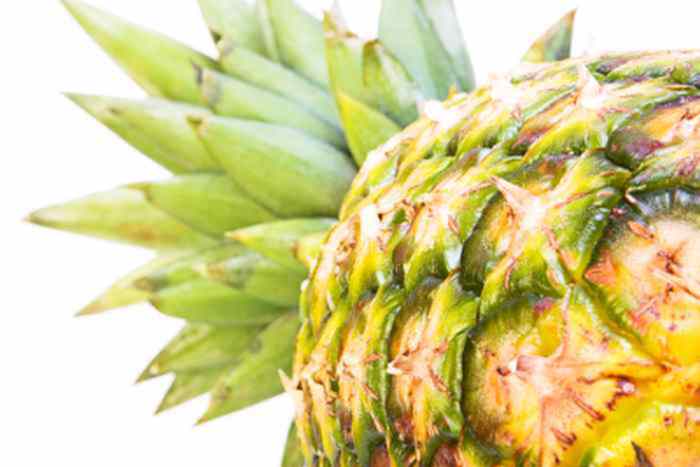
Osteoarthritis is the most common form of arthritis occurring in Western countries widely affecting the older age group people. According to National Health and Nutrition Examination survey, it was estimated that 27 million people are affected with osteoarthritis disease in United States.
Although the early symptoms of disease might be mild or barely noticeable, the condition progress in later stages leading to intensive pain, inflammation and joint disability. Fortunately, studies have reported that certain nutrients and foods may help to decrease or prevent the progression of osteoarthritis by reducing the pain and inflammation associated with it.
Among the fruits, pineapple is found to have strong effect in treatment of arthritis condition because of the presence of bromelain enzyme which is as effective as anti-inflammatory drugs when dealing with pain of osteoarthritis.
Pineapple for osteoarthritis
The pineapple tree (Ananas comosus) is a tropical tree belonging to the family of Bromeliaceae. This tree is native to South America, but was first discovered by Europeans on Caribbean islands. Pineapple fruit is usually cylindrical in shape with scaly green, brown, or yellow skin and a crown of spiny, blue-green leaves. The yellow coloured flesh inside has vibrant flavour of sweet and tart taste.
The fruit is rich source of vitamin C, magnesium, manganese and a vital enzyme known as bromelain. Along with this it also contains copper, potassium, vitamin B1, vitamin B6, dietary fibre, folate and pantothenic acid. The major anti-inflammatory and analgesic properties of pineapple is basically because of the presence of bromelain enzyme. Bromelain belongs to the group of digesting enzymes extracted from the fruit or stem of pineapple tree.
The bromelain enzymes extracted from different parts of the tree (fruit and stem) are different and contain different composition. Bromelain is a set of various thiol endopepeptidases (peptidases containing active thiol –C-SH group) and other enzymes such as phosphatase, glycosidase, peroxidase, cellulose, and escharase. Bromelain has been found to have number of beneficial properties including anti-inflammatory (reduce inflammation), anti- analgesic (pain killer), and anti-oedematous (anti swelling), anti-thrombotic (prevent blood clot) and fibrinolytic (dissolution of fibrin) effects.
Bromelain is found to have number of therapeutics benefits such as in treatment of angina pectoris, bronchitis, sinusitis, osteoarthritis, surgical trauma, thrombophlebitis, debridement of wounds, diarrhoea and in many cardiovascular disorders. It also prevents cancer growth and promotes apoptotic cell death (naturally occurring programmed cell death).
Researchers proved that the traditional medicinal therapies used by man from ancient times involving the plant extracts with high proteolytic enzymes (enzymes those breakdown protein into smaller polypeptides or amino acids) are based on scientific studies. One of such enzyme used in Ayurveda is bromelain enzymes extracted from pineapple fruit or stem. In modern medicine, such therapy is called as enzyme therapy (use of enzymes to treat deficiencies or other medical conditions in patient’s body)
One of such scientific study included preclinical and clinical trials of systemic enzyme therapy on arthritic patients. Set of experiments were carried out using enzyme preparations consisting of combinations of bromelain (from pineapple), papain (from papaya), trypsin and chymotrypsin (secreted from pancreases).
It was shown the ratio of proteinases to antiproteinases which are usually affected by chronic disease like in arthritis (especially rheumatoid arthritis) was found considerably influence by oral administration of proteolytic enzyme extracts. It was indicated that these change in ratio of proteinases to antiproteinases could be due to the induction of antiproteinases synthesis or due to signal transduction of proteinases-antiproteinases complex via specific receptors molecules.
Along with these changes it was also indicated that during this enzyme therapy, there may be also various alternations in cytokine composition resulting from immunomodulatory effects (capable of modifying or regulating one or more functions of immune system) which indicated the effectiveness of the therapy. In same set of experiment, various studies were carried out including placebo-controlled studies in comparison with non-steroidal anti-inflammatory drugs.
Placebo- controlled is a research method in which an inactive substance (placebo) is given to one test group and a drug or vaccine given to other group.
Results showed that study involving oral therapy with proteolytic enzymes produced certain analgesic and anti-inflammatory effects which proved that enzyme therapy including proteolyic enzymes like bromelain could be chosen as an effective treatment therapy in inflammatory diseases like arthritis.
A group of studies were carried out including 28 patients to understand the effect of bromelain on knee joint of osteoarthritis patients. The studies reported that the use of bromelain in different dose amounts and in different duration period showed positive clinical effects in 18 patients as compared to control cases, which was measured by assessment in reduction of swelling of soft tissues, pain and joint stiffness. And no side effects of medication were observed on the patient’s health indicating that the bromelian can be successfully used in treatment of musculoskeletal disorders like that in osteoarthritis.
In vivo studies carried on rat model, indicated the vital role of bromelain enzyme in preventing the symptoms associated with pathogenesis of inflammatory diseases such as in osteoarthritis. It was reported that bromelain enzyme extracted form pineapple act as a powerful proteolytic enzyme which interfere in arachidonic acid metabolism.
Arachidonic act as a precursor for prostaglandins and other eicosanoids prostacyclins, thromboxanes and leukotrienes) which play important role in many physiological effects such as inflammation, pain, fever and blood clotting. Hence inhibition of arachidonic acid cascade leads to further prevention of all the physiological effects which are mainly associated with inflammatory disease like arthritis thus proving the strong anti-inflammatory property of bromelain enzyme.
Another study was carried out where short term oral treatment of bromelain enzyme purified from pineapple stem was administrated to laboratory mice suffering from chronic colitis (inflammation of colon or large intestine) to detect the effect of enzyme on colonic inflammation.
This experiment also showed there was subsequently decrease in production of pro inflammatory molecules such as cytokines and leucocyte at the site of inflammation when bromelain enzyme was given thus reducing the symptoms of inflammation. Same study was repeated where experimental mice was allowed to consume fresh pineapple juice which also contains bromelain enzyme but with different concentration from that of pineapple stem.
Results indicated that this bromelain enzyme extracted from fruit had better proteolytic activity than that from stem which showed lower incidence of inflammation associated with the disease thus concluding that long term dietary supplementation with fresh or unpasteurized pineapple juice with proteolytically active bromelain enzyme is safe to consume and more active in decreasing the severity of inflammatory diseases.
Another open study was carried out for one month where bromelain in two different doses (200mg and 400mg ) was given in otherwise healthy adults (n= 77) with mild knee pain showing no medical symptoms. Data was collected where significant improvement in total symptoms such as joint stiffness, physical fitness and physiological well-being were compared and results were found to be better when adults administrated with higher dose ( 400mg) of bromelain as compared to the low one (200mg).
Overall psychological well- being was also found to be much better after treatment process with bromelain as compared to the baseline which again indicated that bromelain was found to be effective in reducing physical symptoms and improving general health in otherwise healthy adults who were suffering from mild knee pain. Thus proving again bromelain appears to have potential for the treatment of knee osteoarthritis.
Pineapple is also rich in vitamin C and manganese, both of which play important role in reducing symptoms liked with inflammatory diseases like osteoarthritis. The antioxidant vitamin C found in pineapple juice helps in repair of collagen or protein in connective tissues which in turn helps to keep functioning of joints properly in joint related problems.
Drinking of pineapple juice also increases the intake of antioxidant vitamin A in body, which also helps in reducing arthritis pain as antioxidants fight against free radicals (that causes cell destruction and joint damage in arthritis patients). It is also observed another mineral present in fruit, manganese also possess antioxidant properties in removing free radicals from body tissues. Manganese is a key component for antioxidant enzyme called superoxide dismutase, the enzyme which neutralize free radicals preventing cell damage and subsequent death.
Therefore it is found deficiency of vitamins (especially vitamin C) and manganese in diet leads to weakness in joints, fractures in bone and bone malformation that further can lead to disease like arthritis.
How to include pineapple in your diet
Pineapple is a delicious fruit and also healthy to make your everyday meal more exciting. As it is good source of manganese, food containing this fruit provides good source of energy to body.
Eating pineapple is a great way to add color, flavour and variety to everyday dishes. Pineapple can be eaten as fresh fruit, as canned or grilled. Fresh ripe pineapple can be stored at room temperature for 1-2 days and once cut should be stored in fridge under low temperature. Canned pineapple pieces can be substituted for fresh fruits when required.
Dried pineapple is also one option but it is not widely available and used. Pineapple is a versatile fruit can be used in main course or dessert, at breakfast or at dinner. It is mainly used in fruit salad with other fruits which is everyone favourite dessert. Now a day’s fruit salsa is becoming popular where pineapple can be also used. In many Asian countries it is used in curry and fried rice too as a main dish. But it taste best when it is broiled or grilled along with meat steaks or vegetable steaks.
Dosage
Eating pineapple is generally considered safe when eaten in moderate amount. Generally two slices of pineapple contains approximately 100mg of ascorbic acid (vitamin C) which act as a good source of antioxidant on daily basis. Over eating of this fruit can lead to diarrhoea and other digestive problems.
Pineapple may also show allergic reactions in some people such as temporary swelling on lips and rash. Other major side effect of pineapple fruit is that it may promote menstrual flow and bleeding and hence not advised for pregnant women. Pineapple is safe and healthy when eaten in its ripe form as unripe pineapple juice or fruit can cause irritation in the throat which can lead to drastic purgative action.
Pineapple products (Bromelain) are available commercially in form of liquid, as tablet or as capsule which should be taken only when prescribed by doctors or health experts .Bromelain is generally recommended safe for most people if taken in proper amounts. It is usually taken at the dosage of 40mg for 3 to 4 times a day.
Bromelain is mainly used for reducing swelling (inflammation). It is also used for hay fever, treating bowel problems (ulcerative colitis), preventing accumulation of water in lung (pulmonary edema, stimulating muscles contraction, preventing cancer, relaxing muscles etc.
For osteoarthritis, a product known as Phlogenzym is recommended which contains bromelain (90mg) with trypsin (48mg) and rutin (100mg,substance found in buckwheat) taken as 2 tables three times daily.
Precautions
Bromelain is generally regarded safe but in some, it may cause some allergy or side effects like diarrhoea, stomach and intestinal problems. Bromelain is not recommended for people having active gastric or duodenal ulcers. It is also believed to cause bleeding during and after surgery and hence should be avoided strictly in people who have undergone surgery.
Pregnant women and breast feeding are also advised not to use bromelaian as this product is found to interact with number of other medicines. It is found to interact with tetracycline antibiotic (declomycin, acromycin), amoxicillin drugs (amoxil, trimox) affecting their overall effect.
They also found to interact strongly with anticoagulant or antiplatelet drug such as aspirin, diclofenac, ibuprofen, heparin, warfarin etc. leading to chances of bruising and bleeding. And therefore, should be taken only after consulting your health professional or doctor.
Summary
Many plant extracts containing high content of proteolytic enzymes have always been used from ancient times as a part of traditional medicines in treatment of various illness.
And they were always proved to be effective and safe compared to antibiotics and other chemical drugs used mostly now a days. Therefore use of such plant extracts and herbal medicines are gaining importance recently and are used as a part of modern enzyme therapy.
One of such enzyme therapy uses, the bromelain enzyme extracted from pineapple tree which is demonstrated to have number of anti-inflammatory and analgesic properties and hence proves to be safer alternative or adjective treatment of inflammatory diseases such as osteoarthritis.
Diet Sodas May Be Tied to Stroke, Dementia Risk
Posted: April 21, 2017 Filed under: Food and it's Impact on Our Health Leave a commentGulping down an artificially sweetened beverage not only may be associated with health risks for your body, but also possibly your brain, a new study suggests.
Artificially sweetened drinks, such as diet sodas, were tied to a higher risk of stroke and dementia in the study, which published in the American Heart Association’s journal Stroke on Thursday.
The study sheds light only on an association, as the researchers were unable to determine an actual cause-and-effect relationship between sipping artificially sweetened drinks and an increased risk for stroke and dementia. Therefore, some experts caution that the findings should be interpreted carefully.
No connection was found between those health risks and other sugary beverages, such as sugar-sweetened sodas, fruit juice and fruit drinks.

Are diet sodas dangerous to your health? 04:19
“We have little data on the health effects of diet drinks and this is problematic because diet drinks are popular amongst the general population,” said Matthew Pase, a senior research fellow in the department of neurology at Boston University School of Medicine and lead author of the new study.
“More research is needed to study the health effects of diet drinks so that consumers can make informed choices concerning their health,” he said.
The new study involved data on 2,888 adults older than 45 and 1,484 adults older than 60 from the town of Framingham, Massachusetts. The data came from the Framingham Heart Study, a project of the National Heart, Lung, and Blood Institute and Boston University.
In the older-than-45 group, the researchers measured for stroke and in the older-than-60 group, they measured for dementia.
“The sample sizes are different because we studied people of different ages,” Pase said. “Dementia is rare in people under the age of 60 and so we focused only on those aged over 60 years for dementia. Similarly, stroke is rare in people aged under 45 and so we focused on people older than age 45 for stroke.”
The researchers analyzed how many sugary beverages and artificially sweetened soft drinks each person in the two different age groups drank, at different time points, between 1991 and 2001. Then, they compared that with how many people suffered stroke or dementia over the next 10 years.
Compared to never drinking artificially sweetened soft drinks, those who drank one a day were almost three times as likely to have an ischemic stroke, caused by blocked blood vessels, the researchers found.
They also found that those who drank one a day were nearly three times as likely to be diagnosed with dementia.
Those who drank one to six artificially sweetened beverages a week were 2.6 times as likely to experience an ischemic stroke but were no more likely to develop dementia, Pase said.
“So, it was not surprising to see that diet soda intake was associated with stroke and dementia. I was surprised that sugary beverage intake was not associated with either the risks of stroke or dementia because sugary beverages are known to be unhealthy,” Pase said.
In response, Lauren Kane, a spokeswoman for the American Beverage Association, issued a statement from the group that said low-calorie sweeteners found in beverages have been proven safe by worldwide government safety authorities.
“The FDA, World Health Organization, European Food Safety Authority and others have extensively reviewed low-calorie sweeteners and have all reached the same conclusion — they are safe for consumption,” the statement said.
“While we respect the mission of these organizations to help prevent conditions like stroke and dementia, the authors of this study acknowledge that their conclusions do not — and cannot — prove cause and effect. And according to the National Institutes of Health (NIH), many risk factors can increase an individual’s likelihood of developing stroke and dementia including age, hypertension, diabetes and genetics. NIH does not mention zero calorie sweeteners as a risk factor,” the statement said. “America’s beverage companies support and encourage balanced lifestyles by providing people with a range of beverage choices — with and without calories and sugar — so they can choose the beverage that is right for them.”
Separate previous studies have shown an association between the intake of sugar-sweetened beverages and adverse health effects, such as type 2 diabetes, obesity, heart disease, stroke, and possibly even heart failure.
“This article provides further evidence though on artificially sweetened beverages and their possible effects on vascular health, including stroke and dementia,” said Dr. Ralph Sacco, professor and chair of neurology at the University of Miami Miller School of Medicine, about the new study.
Sacco was a co-author of an editorial published alongside the study in the journal Stroke on Thursday.
“We believe the pathways of which artificially sweetened beverages would affect the brain are probably through vascular mechanisms,” Sacco said.
“When the authors controlled for hypertension and diabetes and obesity the effects diminish, which implies that some of the effects of artificially sweetened beverages could still be going through a vascular pathway,” he said about the new study. “Many strokes are caused by hardening of arteries; and the risk of dementia is also increased by the hardening of arteries in large and small vessels. So, I believe the mechanisms may be through vascular disease, though we can’t prove it.
Heather Snyder, senior director of medical and scientific operations at the Alzheimer’s Association, called the new study “a piece of a larger puzzle” when it comes to better understanding how your diet and behaviors impact your brain.
“It’s actually really more of your overall diet and overall lifestyle that is linked to cardiovascular disease and diabetes risk, and we do know that heart disease and diabetes are linked to an increased risk of dementia,” said Snyder, who was not involved in the new study.
“We know that sugary and artificially sweetened beverages are not great for us. This study adds strength to that, and also says they may not be great for your brain, specifically,” she said. “There are alternatives — things we can all do everyday to keep our brains and our bodies as healthy as we can as we age.” Alternatives such as regular cardiovascular exercise that elevates heart rate and increases blood flow and doing puzzles and games to activate and challenge the mind. These are recommendations from the Alzheimer’s Associations list of 10 lifestyle habits to reduce risk of cognitive decline.
6 Super Greens And Their Benefits
Posted: April 17, 2017 Filed under: Food and it's Impact on Our Health Leave a comment
Leafy greens are chock full of essential vitamins and nutrients—that’s a no-brainer—but you might be surprised by how tasty they can also be with some creative prep.
Collard greens
Loaded with fiber, collard greens are known for their cholesterol-lowering abilities. Raw collard green leaves can be chopped and tossed into salad with berries and creamy goat cheese to counter the slightly bitter taste of the leaves. Or chop the leaves, ribs and stems and sauté with onion, garlic and white wine and toss with pasta or ravioli. Also try blending into your favorite pesto or bean dip recipe.
Dandelion greens
This bone-building green with a fresh and zesty flavor is loaded with significant amounts of vitamin K (which helps keep calcium in bones) and calcium. Blend dandelion greens into a smoothie, sauté into a stir-fry or toss fresh in a salad.
Kale
This popular super green is loaded with vitamins (A and C most prominently) and minerals calcium and magnesium, and contains many anti-cancer properties. Chopped kale, with its earthy, slightly tangy flavor, is a satisfying addition to soup recipes. Or try a unique slaw topping for tacos and sandwiches by tossing thinly chopped kale, red cabbage, shredded carrot, toasted sesame oil, citrus juice, salt and pepper.
Swiss and rainbow chard
Packed with phytonutrients that have antioxidant and anti-inflammatory benefits, chard cannot be overlooked as one of the healthiest vegetables out there (it also helps regulate blood pressure). The leaves are mild and similar to beet greens, but the stems and ribs are more bitter, so they taste best cooked. Rainbow chard is a fun and colorful addition to soups, or sauté any chard with olive oil, salt and pepper and toss with roasted squash for a nutrient-rich side dish.
Watercress
This crisp and peppery green is a great source of antioxidants from vitamins A and C, while the high water content acts as a digestive aid. Watercress, similar to arugula, is the perfect substitute for lettuce in salads and on sandwiches, or tossed with olive oil and balsamic vinegar as a bright pizza topping
Turnip and beet greens
Ever wonder what to do with the greens sprouting out of your favorite root vegetables? Green up some classic recipes with a healthy dose of vitamins A, C and K, along with essential minerals like potassium, magnesium and iron. Beet greens are the mildest tasting and resemble spinach in flavor while turnip greens, along with mustard greens, are a bit more spicy. All of these are delicious sautéed until tender with vegetable stock, olive oil, salt and pepper, and used in place of spinach in lasagna, or tossed with peppers and onions for enchilada filling.
Basil Health Benefits and Nutritional Info
Posted: April 6, 2017 Filed under: Food and it's Impact on Our Health Leave a comment
Basil is arguably one of the favorites among herbs because it has so many uses. Everything from soups to sandwiches can be made simply better with the addition of its fresh, pungent leaves. It also has been found to contain oils and flavonoids that protect the body from illness and infection. Very small concentrations can kill harmful bacteria, but still be very beneficial, even preventing atherosclerosis, heart attacks, and stroke.
Basics on Basil
Botanical name: Ocimum basilicum
If a kitchen has only a few herbs in its possession, basil will likely be one of them. Its fragrant essence combines well with rosemary and thyme in meat dishes, fish, vegetables, cheese, soup and eggs, and is one of the main ingredients in pesto, along with pine nuts and parmesan cheese.
Although more than 60 varieties of basil have been identified, they all fall into three main types: sweet, purple, and bush. Each offers a subtle difference in taste; varieties such as lemon, anise, and cinnamon basil give you an idea of how one might modify and enhance a recipe. It only takes a few leaves to transform a simple dish – even a sandwich.
Basil plants are easy to maintain indoors and out. Snip off budding heads whenever they appear and underneath the base of a leaf near the bottom on spindly stems to keep your plant full, and a new branch will appear.
To dry basil leaves, warm your oven to 140 degrees while placing a single layer of basil leaves on a baking sheet. Turn off the oven and pop in your pan for 20 minutes (you don’t want them to actually bake). Remove the pan, cool the leaves, and store immediately in airtight bottles or zip-lock bags, away from sunlight.
Basil Health Benefits
Basil also is considered one of the healthiest herbs. It’s best when fresh, exuding a sweet, earthy aroma that indicates not only the promise of pleasantly pungent flavor, but an impressive list of nutrients. Vitamin K, essential for blood clotting, is one of them. Just two tablespoons of basil provides 29 percent of the daily recommended value.
Basil also provides vitamin A, which contains beta-carotenes, powerful antioxidants that protect the cells lining a number of numerous body structures, including the blood vessels, from free radical damage. This helps prevent cholesterol in blood from oxidizing, helping to prevent atherosclerosis, heart attacks, and stroke.
Other vitamins and minerals in basil include iron, calcium, manganese, magnesium, vitamin C and potassium. Not surprisingly, basil also has antibacterial properties and contains DNA-protecting flavonoids. It’s the flavonoids and volatile oils in basil that give it the most health benefits, the former protecting on the cellular level, with antibacterial properties related to its volatile oils. Among these are estragole, linalool, cineole, eugenol, sabinene, myrcene, and limonene, all capable of restricting the growth of numerous harmful bacteria, including listeria, staphylococcus, E. coli, yersinia enterocolitica, and pseudomonas aeruginosa.
Some antibiotic medications which have been found to be resistant to some of these strains have been inhibited by basil extracts. One of those oils – eugenol – can block the activity of the harmful enzyme cyclooxygenase (COX). This same effect puts basil in the “anti-inflammatory” category because it provides relief from related problems, such as rheumatoid arthritis.
Studies Done on Basil
When scientists tested basil oil in diluted concentrations against several common but serious multidrug-resistant bacteria, including some of those listed above, it strongly reduced the negative effect of the bacteria. Research data noted the encouraging results of the tests, especially in light of the high level of resistance of the bacteria.
Another study debated the traditional use of basil to treat several respiratory diseases and the symptoms of tuberculosis, exploring the possible use of basil against actual tuberculosis symptoms. Test results were affirmative, with the conclusion that basil could be used to formulate new and natural anti-tuberculosis treatments.
Since basil extracts reduce sugars as well as free radicals in your body, tests were conducted in relation to its effect on glycemic index, leading researchers to conclude that basil extracts may have the potential to inhibit diabetes.
One impressive study showed that washing produce in a solution of basil or thyme essential oil in just a 1% concentration diminished the number of infectious Shigella bacteria, which can produce intestine-damaging diarrhea. This result proves that ingesting basil and thyme in as many ways as possible, especially fresh in salads and their dressings, helps ensure the safety of the fresh produce you bring to your table.
Losing weight won’t make you happier—but eating a balanced diet will
Posted: March 27, 2017 Filed under: Food and it's Impact on Our Health Leave a commenthttps://qz.com/935857/losing-weight-wont-make-you-happier-but-eating-a-balanced-diet-will/
Losing weight won’t make you happier—but eating a balanced diet will
Posted: March 27, 2017 Filed under: Food and it's Impact on Our Health Leave a commenthttps://qz.com/935857/losing-weight-wont-make-you-happier-but-eating-a-balanced-diet-will/
Children Who Eat Too Much Sugar are Developing Diseases that Only Alcoholics Used to Get
Posted: March 26, 2017 Filed under: Food and it's Impact on Our Health Leave a comment
Eating too much sugar isn’t just a problem for our waistlines. It’s making us sick — very sick. Here, Robert Lustig, who is a professor of pediatric endocrinology at the University of California at San Francisco, explains just how much our health has taken a turn for the worse since the ’70s and the ’80s. Lustig predicts it could even be the downfall of American Medicare and Social Security. Learn more in Lustig’s books “The Hacking of the American Mind” and “Fat Chance.”
Middle Age Spread Can Cause Dementia with Lack of Exercise Leading to ‘Rapid Mental Decline’ According to Study
Posted: March 26, 2017 Filed under: Food and it's Impact on Our Health Leave a commentResistance to the hormone insulin sees the body fails to burn sugar and instead store it as fat – which is linked to Type 2 diabetes and brain disease.

Being overweight can increase the risk of developing dementia in later life, according to research.A study found patients with insulin resistance, caused partly by obesity and lack of exercise, had more rapid mental decline. Resistance to the hormone is where the body fails to burn sugar and stores it as fat, and is linked to Type 2 diabetes.
The University of Tel Aviv in Israel tested insulin levels and cognitive function in 500 people. Follow-up tests 15 and 20 years later showed those in the top 25% for insulin inefficiency were more likely to have accelerated cognitive decline. Prof David Tanne said: “Watching your weight will help… protect your brain as you get older.” The brain is especially vulnerable to the effects of insulin resistance, which triggers diabetes and is partly caused by obesity and lack of exercise.
This is according to a study of almost 500 patients followed for more than two decades found those in whom the hormone became inefficient suffered rapid mental decline. Both their executive function, which controls learning and problem solving, and memory began to fail. The findings add to evidence linking type 2 diabetes – the form linked to an unhealthy lifestyle – and led to an increased risk of dementia. The metabolic condition happens when insulin becomes ineffective, meaning sugar is stored as fat instead of being burned by cells. Professor Tanne, of the University of Tel Aviv, said beating the curse of middle age spread could help combat the dementia epidemic.
He said: “This study lends support for more research to test the cognitive benefits of interventions such as exercise, diet and medications that improve insulin resistance in order to prevent dementia.” Earlier Swedish research involving about 8,500 Swedish twins found those who put on weight in middle age were almost twice as likely to develop dementia in later life.
Prof Tanne said: “These are exciting findings because they may help to identify a group of individuals at increased risk of cognitive decline and dementia in older age. “We know that insulin resistance can be prevented and treated by lifestyle changes and certain insulin sensitizing drugs.
“Exercising, maintaining a balanced and healthy diet, and watching your weight will help you prevent insulin resistance and, as a result, protect your brain as you get older.” Insulin resistance is a condition in which cells fail to respond normally to the hormone. This prevents muscle, fat and the liver from absorbing glucose easily. As a result, the body requires higher levels of insulin to usher the sugar into its cells. Without sufficient insulin, excess glucose builds up in the bloodstream leading to pre-diabetes, diabetes and other serious health disorders. In the study published in the Journal of Alzheimer’s Disease participants were measured for insulin resistance at the start using a tool called HOMA (homeostasis model assessment.
This is calculated using fasting blood glucose and fasting insulin levels. Cognitive functions were also scored with a computerised battery of tests that examined memory, executive function, visual spatial processing and attention. When the volunteers were followed up 15 years later, and again five years after that, the connection between insulin resistance and grey matter loss was identified. Those who were in the top quarter of the HOMA index were more likely to perform badly in the tests and have accelerated cognitive decline compared to all the others. All the participants had existing cardiovascular disease at the outset but the researchers said taking this into account, and other factors that may have skewed the findings, did not diminish the association.
In 2009 a US review of ten international studies involving more than 37,000 people found obese people had an increased risk of all types of dementia. Experts believe hardening of the arteries and high blood pressure may play a role. James Pickett, Head of Research, at Alzheimer’s Society, said: “There is strong evidence that poorly-managed diabetes can increase your risk of dementia. “This research highlights that insulin resistance – which is related to diabetes – could have a negative impact on a person’s memory or thinking abilities.
“The study also adds to existing evidence that keeping our hearts and brains healthy as we age by eating well, exercising and not smoking are the best things we can do to reduce our risk of memory problems in later life.”
The study of almost 500 people was published in the Journal of Alzheimer’s Disease.


 Meal Delivery Service by Millie Barnes