Mango Tarts with Tropical Nut Crust
Posted: January 4, 2009 Filed under: Food and it's Impact on Our Health Leave a commentHappy New Years, everybody!
Mango Tarts with Lime and Tropical Nut Crust
These tarts are one of my favorite desserts, a perfect combination of sweet and tart, soft and crunchy. They are easy to do but are very elegant to serve.
Serves 8
Preparation time; 1 hr.
1 cup macadamias
1 cup almonds
2 cups coconut flakes
¾ cup Succanat or organic sugar
3 large egg whites
1 cup apple juice
1 T agar agar
1/3 cup lime juice
1 t arrowroot
1 mango
4 T guava jelly (optional)
1 T. butter
1) Combine nuts in food processor to coarse grind. Add coconut and buzz briefly. Beat egg whites to stiff peaks, adding sugar when whites are still soft. Fold in to nuts.
2) Place mixture into buttered tart tins. Bake at 350° until moderately brown. Cool well before removing from tins.
3) Slice mangos. Then mix arrowroot and lime juice, simmer, stirring until arrowroot is melted. cool and let set ( putting it in freezer speeds this up ) then spoon into shells.
4) Place sliced mango on top of each tart.
5) Melt guava jelly and butter in a small pan and use a pastry brush to glaze mangoes.
Is Coffee Good For You?
Posted: December 31, 2008 Filed under: Food and it's Impact on Our Health Leave a commentPlenty of health benefits are brewing in America’s beloved beverage.
By Sid Kirchheimer
WebMD Feature
 Reviewed by Michael W. Smith, MD
Want a drug that could lower your risk of diabetes, Parkinson’s disease, and colon cancer? That could lift your mood and treat headaches? That could lower your risk of cavities?
If it sounds too good to be true, think again.
Coffee, the much maligned but undoubtedly beloved beverage, just made headlines for possibly cutting the risk of the latest disease epidemic, type 2 diabetes. And the real news seems to be that the more you drink, the better.
Reducing Disease Risk
After analyzing data on 126,000 people for as long as 18 years, Harvard researchers calculate that compared with not partaking in America’s favorite morning drink, downing one to three cups of caffeinated coffee daily can reduce diabetes risk by single digits. But having six cups or more each day slashed men’s risk by 54% and women’s by 30% over java avoiders.
Though the scientists give the customary “more research is needed” before they recommend you do overtime at Starbuck’s to specifically prevent diabetes, their findings are very similar to those in a less-publicized Dutch study. And perhaps more importantly, it’s the latest of hundreds of studies suggesting that coffee may be something of a health food — especially in higher amounts.
In recent decades, some 19,000 studies have been done examining coffee’s impact on health. And for the most part, their results are as pleasing as a gulp of freshly brewed Breakfast Blend for the 108 million Americans who routinely enjoy this traditionally morning — and increasingly daylong — ritual. In practical terms, regular coffee drinkers include the majority of U.S. adults and a growing number of children.
“Overall, the research shows that coffee is far more healthful than it is harmful,” says Tomas DePaulis, PhD, research scientist at Vanderbilt University’s Institute for Coffee Studies, which conducts its own medical research and tracks coffee studies from around the world. “For most people, very little bad comes from drinking it, but a lot of good.”
Consider this: At least six studies indicate that people who drink coffee on a regular basis are up to 80% less likely to develop Parkinson’s, with three showing the more they drink, the lower the risk. Other research shows that compared to not drinking coffee, at least two cups daily can translate to a 25% reduced risk of colon cancer, an 80% drop in liver cirrhosis risk, and nearly half the risk of gallstones.
Coffee even offsets some of the damage caused by other vices, some research indicates. “People who smoke and are heavy drinkers have less heart disease and liver damage when they regularly consume large amounts of coffee compared to those who don’t,” says DePaulis.
There’s also some evidence that coffee may help manage asthma and even control attacks when medication is unavailable, stop a headache, boost mood, and even prevent cavities.
Is it the caffeine? The oodles of antioxidants in coffee beans, some of which become especially potent during the roasting process? Even other mysterious properties that warrant this intensive study?
Actually, yes.
Some of coffee’s reported benefits are a direct result of its higher caffeine content: An eight ounce cup of drip-brewed coffee contains about 85 mg — about three and a half times more than the same serving of tea or cola or one ounce of chocolate.
“The evidence is very strong that regular coffee consumption reduces risk of Parkinson’s disease and for that, it’s directly related to caffeine,” DePaulis tells WebMD. “In fact, Parkinson’s drugs are now being developed that contain a derivative of caffeine based on this evidence.”
Caffeine is also what helps in treating asthma and headaches. Though not widely publicized, a single dose of pain reliever such as Anacin or Excedrin contains up to 120 milligrams — what’s in a hefty mug o’ Joe.
Boost to Athleticism
It’s also caffeine — and not coffee, per se — that makes java a powerful aid in enhancing athletic endurance and performance, says physiologist and longtime coffee researcher Terry Graham, PhD, of the University of Guelph in Canada. So powerful, in fact, that until recently, caffeine in coffee or other forms was deemed a “controlled” substance by the Olympic Games Committee, meaning that it could be consumed only in small, designated amounts by competing athletes.
“What caffeine likely does is stimulate the brain and nervous system to do things differently,” he tells WebMD. “That may include signaling you to ignore fatigue or recruit extra units of muscle for intense athletic performance. Caffeine may even have a direct effect on muscles themselves, causing them to produce a stronger contraction. But what’s amazing about it is that unlike some performance-enhancing manipulation some athletes do that are specific for strength or sprinting or endurance, studies show that caffeine positively enhances all of these things.”
How does this brew affect growing minds and bodies? Very nicely, it seems, says DePaulis. Coffee, as you probably know, makes you more alert, which can boost concentration. But claims that it improves a child’s academic performance can be exaggerated. Coffee-drinking kids may do better on school tests because they’re more awake, but most task-to-task lab studies suggest that coffee doesn’t really improve mental performance, says DePaulis.
But it helps kids’ minds in another way. “There recently was a study from Brazil finding that children who drink coffee with milk each day are less likely to have depression than other children,” he tells WebMD. “In fact, no studies show that coffee in reasonable amounts is in any way harmful to children.”
On the flip side, it’s clear that coffee isn’t for everyone. Its legendary jolt in excess doses — that is, more than whatever your individual body can tolerate — can increase nervousness, hand trembling, and cause rapid heartbeat. Coffee may also raise cholesterol levels in some people and may contribute to artery clogging. But most recent large studies show no significant adverse effects on most healthy people, although pregnant women, heart patients, and those at risk for osteoporosis may still be advised to limit or avoid coffee.
The bottom line: “People who already drink a lot of coffee don’t have to feel ‘guilty’ as long as coffee does not affect their daily life,” says Hu. “They may actually benefit from coffee habits in the long run.”
In other words, consume enough caffeine — whether it’s from coffee or another source — and you will likely run faster, last longer and be stronger. What’s enough? As little as one cup can offer some benefit, but the real impact comes from at least two mugs, says Graham. By comparison, it’d take at least eight glasses of cola to get the same effect, which isn’t exactly conducive for running a marathon.
But the harder you exercise, the more benefit you may get from coffee. “Unfortunately, where you see the enhancing effects from caffeine is in hard-working athletes, who are able to work longer and somewhat harder,” says Graham, who has studied the effects of caffeine and coffee for nearly two decades. “If you a recreational athlete who is working out to reduce weight or just feel better, you’re not pushing yourself hard enough to get an athletic benefit from coffee or other caffeinated products.”
But you can get other benefits from coffee that have nothing to do with caffeine. “Coffee is loaded with antioxidants, including a group of compounds called quinines that when administered to lab rats, increases their insulin sensitivity” he tells WebMD. This increased sensitivity improves the body’s response to insulin.
That may explain why in that new Harvard study, those drinking decaf coffee but not tea beverages also showed a reduced diabetes risk, though it was half as much as those drinking caffeinated coffee.
“We don’t know exactly why coffee is beneficial for diabetes,” lead researcher Frank Hu, MD, tells WebMD. “It is possible that both caffeine and other compounds play important roles. Coffee has large amounts of antioxidants such as chlorogenic acid and tocopherols, and minerals such as magnesium. All these components have been shown to improve insulin sensitivity and glucose metabolism.”
Meanwhile, Italian researchers credit another compound called trigonelline, which gives coffee its aroma and bitter taste, for having both antibacterial and anti-adhesive properties to help prevent dental cavities from forming. There are other theories for other conditions.
Savory Bread Pudding
Posted: December 31, 2008 Filed under: Food and it's Impact on Our Health Leave a commentno gluten, no dairy……
Yield At least 6 servings
Time 1 hour
Ingredients
- 2 tablespoons butter, plus more for greasing the pan
- 6 cups Ezekiel Bread, the one in the orange wrapper. diced very small
- 2 cups almond milk
- Salt and fresh black pepper
- 2 ounces Rice Parmesan
- 1/2 cup rice sour cream
- 1 cup sliced shiitake mushroom caps
- 1 T. thyme
- 1 T.
Method
- 1. Butter or oil an 8-inch souffle or baking dish, and put bread in it. Combine everything but shiitakes, and pour over bread. Submerge bread with a weighted plate, and turn oven to 350 degrees. Heat 2 tablespoons butter or oil in a saute pan, add shiitakes and saute until tender, about 10 minutes.
- 2. Remove plate, and stir in mushrooms. Bake until pudding is just set, 35 to 45 minutes.
2008: my year of living smaller
Posted: December 31, 2008 Filed under: Food and it's Impact on Our Health Leave a comment By Rick Jelliffe
December 29, 2008 | Comments: 15
(Warning: non technical jottings ahead!)
I tried a little experiment in 2008: living smaller.
I caught public transport only. I got rid of extra lightbulbs. I baked my own bread. I froze my own dumplings. I didn’t buy any gadget. I didn’t buy any CD. I didn’t get a flatscreen TV. No home phone; no home internet; no cable TV; no new art; no gin. I only took one international trip (which was quite important) and two domestic flights (to my dear parent’s 80th birthdays) but turned down several work opportunities that involved flying, even though it meant less satisfactory participation at SC34 WG1. I let my passport lapse.
When my kettle broke, I didn’t replace it: I use a pot. When my contact lenses broke, I didn’t even replace them (which means that when I saw the Benjamin Button movie last week, Brad Pitt looked the same in every frame, unfortunately.) When my socks had a hole, I repaired them; I didn’t buy any clothes, and I avoided wearing clothes that would need dry cleaning or special treatment. When my courtyard grapevine died due to amorous possums, I didn’t replant.
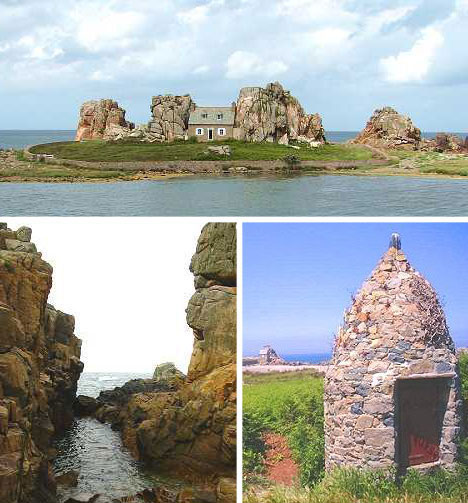
I worked less, and earned way less, and spent more time writing and thinking. I was asked to write a book, but I decided against it in 2008: living simpler means avoiding tar babies. I am increasingly attracted to the small house idea, a dogtrot house perhaps or La Maison de Plougrescant. And look at Jane Austin’s writing desk!
At various times I let my mobile phone lapse too, and toyed with the idea of getting the power cut off: a fantasy involving those camper lights with solar power and a gas burner for small meals evolved and the climate in Sydney is such that you can get away with no heating or cooling if your abode is insulated, at a pinch. Indeed, having no after-dark power might be the best thing for my night-owl-ism (which verges on diurnal manic depression, clinically.) But I couldn’t go that far…
This leads to a very placid lifestyle: I don’t think I have ever been less engaged with the rat race, and at the same time, less restless (outside office hours.) Part of this is undoubtedly due to the lack of bad news this year: I had no more rare and surprising illnesses and my three closest mates all recovered from addictions or the sicknesses coming from the needle: crystal meths, nicotine and heroin’s hep C.
2008 was a good year for my friends: no leap forwards, just the removal of long-standing shackles that moved me to tears of joy on more than one ocassion.
I don’t think I could be an eccentric recluse like a hermit unless it was in the middle of a bustling, pretty cosmopolis like Sydney: just this week I had coffee with my favourite Mongolian who had just finished his first novel in German; perhaps I should be more attracted to people in more populated categories. But perhaps a boyhood outside the metropolis gives the gift that the glamour of things is not so strong: I don’t know if a lack of consumerism will be a virtue in these molten-down times (making a virtue out the necessity of belt-tightening and small footprinting) or a flaw (since we need to spend to stimulate our economies.)
In Japan under the Shoguns, there were tight sumptuary laws that prevented ordinary people from such luxuries as chairs and tables. The result was a culture rich in fabric, ceramic, paper, paper, gardens, calligraphy and small objects that could be stored away. There is little stark about a simple traditional Japanese tatami room, which can be contrasted with the starkness of the ideological modesty of Shaker furniture, for example: indeed, the plainness of tatami room merely provides a frame which shows off the beauty of craftsmanship, design and display. So simplicity is not antagonistic to beauty.
The experiment of 2008 is over. I need my lenses. I don’t particularly feel I need my mobile, but my friends consider it unfriendly not to be at their beck and call, to invite me out to watch the transvestites at the Taxi Club or to commiserate with them when they have returned, drunk and repentant. This week I sneaked a connection to a neighbour’s unprotected wireless internet and felt very naughty: I think I will offer to share the bill with them rather than getting my own connection however. I have accepted a sponsored overseas speaking engagement for the new year.
So what did I learn? Simplicity is great if it is coupled with quality household goods, but terrible with commodity goods that bust all the time. I am using my grandparents’ knives: they use a kind of steel that has not been produced for about 70 years now: they are thin blades that never need sharpening and cut as well as a carving knife. They are great examples of the kind of quality I am looking for: when you know you will be eating with a sharp knife, you don’t need to make concessions in your cooking to making all food soft and mousse loose (which seems to be held up as a sign of good cooking in America, despite being the continent of jerky.) High quality uncomplicates the things it touches, it seems to me. Though not all our modern anxiety can be directly attributed to poor metalurgy, unfortunately.
So simplicity does not let us escape entirely consumerism, in the sense that it leaves one free from considering things: indeed. it seems to merely lift the game. If I want my knives to be in continuous use for fifty or one hundred years, they need to be good. And the quality equation only makes sense over commodity goods if they are beautiful or excellent.
Having zigged in 2008, probably it is time to zag.
Best wishes to all my readers in 2009. I have really enjoyed your comments and private email on the things I have written about, and I am embarrassingly flattered to have such a quality readership.
“Annual income twenty pounds, annual expenditure nineteen nineteen six, result happiness. Annual income twenty pounds, annual expenditure twenty pounds ought and six, result misery.” Mr Micawber, David Copperfield, Charles Dickens
I wish my readers happiness, even if it is just the simple one of the nineteen nineteen six, in 2009
Exposure To Sunlight May Decrease Risk Of Advanced Breast Cancer By Half
Posted: December 31, 2008 Filed under: Skin Care Leave a commentScienceDaily (Oct. 21, 2007) — A research team from the Northern California Cancer Center, the University of Southern California, and Wake Forest University School of Medicine has found that increased exposure to sunlight — which increases levels of vitamin D in the body — may decrease the risk of advanced breast cancer.
In a study reported in the American Journal of Epidemiology, the researchers found that women with high sun exposure had half the risk of developing advanced breast cancer, which is cancer that has spread beyond the breast, compared to women with low sun exposure. These findings were observed only for women with naturally light skin color. The study defined high sun exposure as having dark skin on the forehead, an area that is usually exposed to sunlight.
The scientists used a portable reflectometer to measure skin color on the underarm, an area that is usually not directly exposed to sunlight. Based on these measurements, they classified the women as having light, medium or dark natural skin color. Researchers then compared sun exposure between women with breast cancer and those without breast cancer. Sun exposure was measured as the difference in skin color between the underarm and the forehead.
In women with naturally light skin pigmentation, the group without breast cancer had significantly more sun exposure than the group with breast cancer. The fact that this difference occurred only in one group suggests that the effect was due to differences in vitamin D production — and wasn’t just because the women were sick and unable to go outdoors. In addition, the effect held true regardless of whether the cancer was diagnosed in the summer or in the winter. The difference was seen only in women with advanced disease, suggesting that vitamin D may be important in slowing the growth of breast cancer cells.
“We believe that sunlight helps to reduce women’s risk of breast cancer because the body manufactures the active form of vitamin D from exposure to sunlight,” said Esther John, Ph.D., lead researcher on the study from the Northern California Cancer Center. “It is possible that these effects were observed only among light- skinned women because sun exposure produces less vitamin D among women with naturally darker pigmentation.”
These new findings about breast cancer risk and sun exposure based on skin color measurements are consistent with previous research by John and colleagues that had shown that women who reported frequent sun exposure had a lower risk of developing breast cancer than women with infrequent sun exposure.
The researchers stressed that sunlight is not the only source of vitamin D, which can be obtained from multivitamins, fatty fish and fortified foods such as milk, certain cereals and fruit juices. Women should not try to reduce their risk of breast cancer by sunbathing because of the risks of sun-induced skin cancer, they said.
“If future studies continue to show reductions in breast cancer risk associated with sun exposure, increasing vitamin D intake from diet and supplements may be the safest solution to achieve adequate levels of vitamin D,” said Gary Schwartz, Ph.D., a co-researcher from the Comprehensive Cancer Center at Wake Forest University School of Medicine.
“Since many risk factors for breast cancer are not modifiable, our finding that a modifiable factor, vitamin D, may reduce risk is important,” said Sue Ingles, Ph.D., a co-researcher from University of Southern California Keck School of Medicine.
The researchers compared 1,788 breast cancer patients in the San Francisco Bay area with a matched control group of 2,129 women who did not have breast cancer. They included non-Hispanic white,
Hispanic and African-American women, thus women with a wide range of natural skin color and a wide range of capacity to produce vitamin D in the body. Skin color is an important factor that determines how much vitamin D is produced in the body after sun exposure. Dark-skinned individuals produce up to 10 times less vitamin D than light-skinned individuals for the same amount of time spent in the sun. People with darker skin are also more likely to be vitamin D deficient than people with lighter skin.
The research team also included Wei Wang, Ph.D., of the University of Southern California Keck School of Medicine. The work was supported by grants from the National Cancer Institute and U.S. Department of Defense Medical Research Program.
_____________________________________________
Note from Millie; I have never used sunscreen, make sure that I get daily sun exposure. Although this article says that Vitamin D “can be obtained from multivitamins, fatty fish and fortified foods such as milk, certain cereals and fruit juices”, the best source is grass-fed beef, raw butter and free range chicken and eggs. Grass fed beef has 10 times the Vitamin A, D and E than feed lot cattle. Raw butter can be obtained here- Raw Dairy. I do not recommend drinking milk however. Please see my articles on this subject at- Optimum Nutrition- The Truth about Dairy.
Bokashi Composting
Posted: December 27, 2008 Filed under: Gardening, Going Green; How and Why... 2 CommentsAbout 6 months ago I discovered EM- Efficient Microbes. Commonly called Bokashi Composting. It is an easy way to use table scraps for composting without the hassle of odor or fruit flies. Time from food scraps to compost, ready to go in my garden soil,is only a month!
Here is an introduction- EM for Bokashi Composting
Where to purchase EM- EMTrading or SCDWorld
Video- How to Make it Yourself- Making Bokashi
Where to buy Bran- Natural Grocers
My garden is growing wonderfully! I was able to build raised beds in just 4 months of intense composting. Working at a health food store for 4 months helped; I brought huge bags of lettuce home about once a week, along with other kitchen scraps, mixed with potting soil from Ace Hardware, Bone Meal, red worm casings and lots of moisture. I started composting in July, by October I was planting. I am now eating sweet potatoes, red potatoes, beet greens garlic, flowering kale from my backyard. The peppers didn’t survive the cold snaps (I am in Jacksonville, FL)
Bubble Wrap Window Insulation
Posted: December 23, 2008 Filed under: Going Green; How and Why... Leave a comment
The Renewable Energy site for Do-It-Yourselfers
Bubble Wrap Window Insulation
I’ve used bubble wrap on windows for one two years now, and I’m amazed how quick and easy it is. I originally put it up on my huge sun room window that heated the whole living room in summer 10 degrees warmer than the rest of the house. It helped immediately, slashing my air conditioning bill in half. When winter came, I put it in all the windows, except the few that get sun all day, warming the house. In the bedrooms it is behind shades, giving two layers of insulation. You can use it with or without regular or insulating window shades. It takes a few minutes a window.
This is a simple technique for insulating windows with bubble wrap packing material. Bubble wrap is often used to insulate greenhouse windows in the winter, but it also seems to work fine for also works for windows of irregular shape, which can be difficult to find insulating shades for.
Build It Solar– and lots of other ideas for conserving energy and saving you a lot of money.
My Favorite Coffee Site- Sweet Maria’s!
Posted: December 22, 2008 Filed under: Going Green; How and Why... Leave a commentCoffee is a passion of mine. I set out a few years ago to discover what kind of coffee I really loved, and why. I found a small roaster who would give me advice, let me taste and I slowly started learning what I liked; Sumatran, Ethiopian, Costa Rican, some South American coffee. Then this year I embarked on how. How to make Espresso, Turkish, Cuban. Equipment, filters, .. I eliminated some I didn’t enjoy at all; paper filters, drip coffee machines. I had a brief love affair with a Cemex. Very clean cup, not enough body. Cooled too quickly, I had to get it into a carafe FAST, but still didn’t stay at that magical 150 degrees exactly I love so much. I tried the French Press; fuller body, but I hated the sediment. Plus the cooling down too quick was still a problem in spite of the tea cozy I made for it. Sigh.
Then I came across the Sweet Maria’s site. At first I was looking for info on a Stove Top Espresso Maker (actually a Moka pot). Then I started reading about how to make it, the science of it. Which led to a 4 month immersion in all things coffee. I discovered a lot of things. I LOVE single cup coffee. Coffee roasted within 2 days of grinding it myself made all the difference in the world. Green coffee, even organic, costs half the price of roasted coffee. And you can roast it yourself, easily, in a air popcorn popper.
So, I buy green beans from Sweet Maria’s. I roast my own beans, twice a week. I make Turkish coffee every morning from freshly ground beans. I love a double espresso in the mid to late afternoon. I love making it when friends or my kids come over. I love single cup Cuban coffee. I use a hemp filter, or a Swiss Gold filter, sometimes both.
Check out Sweet Maria’s for everything coffee…and a coffee education if you want.


Sweet Maria’s would like to be your information source and green coffee supplier for your home coffee roasting adventures. Home roasting is easy! It only takes 5 to 15 minutes and your reward is the freshest coffee around. It requires no fancy equipment and green coffee from Sweet Maria’s is half the price of good roasted coffee from a retailer. We have a huge selection of green coffees, each carefully cupped and rated for quality.
We are more than just another on-line shopping cart, we are a virtual coffee university. Simply put, we really like what we do …
My Favorite coffee mug
Posted: December 22, 2008 Filed under: Going Green; How and Why... Leave a commentElement

This new design Combines a stainless steel base with a car coffee holder profile and a Fine crafted stoneware body. The slightly retro Element Comfortably holds thirteen ounces with a nice wide handle. The patented silicon top has no taste or odor and pops into a groove on the sidewall of the mug. This so you can Drink from stoneware, everyone’s first choice. The top prevents splash and keeps the heat in. Chose your color for the top Made For the finest coffee on the road & in style.
I own and LOVE this mug! It keeps coffee or tea really warm, even with the lid off. Nothing imparts an oder into the silicone lid. I can’t stand the taste from a plastic travel mug, even when it is made of stainless, the smell does not come out of that lid even after one use. And the soapy taste doesn’t either. I have used this mug for 3 months now and i LOVE it! No plastic, yeah! Millie
How Five Minutes Can Save You Hours of Turkey-Roasting Time
Posted: December 17, 2008 Filed under: In The Kitchen with Millie- How To's Leave a comment
VIDEO- Recipes for Saving Hours of Turkey Roasting Time
45-Minute Roast Turkey
Ingredients
- 1 8- to 12-pound turkey
- 10 garlic cloves, peeled and lightly crushed, more to taste
- 1 branch fresh tarragon or thyme separated into sprigs, or 1/2 teaspoon dried thyme or tarragon
- 1/3 cup extra virgin olive oil or butter
- Salt and pepper to taste
Preparation
- 1. Heat oven to 450 degrees. Put turkey on a stable cutting board breast side down and cut out backbone. Turn turkey over, and press on it to flatten. Put it, breast side up, in a roasting pan. Wings should partly cover breasts, and legs should protrude a bit.
- 2. Tuck garlic and tarragon under the bird and in the nooks of the wings and legs. Drizzle with olive oil, and sprinkle liberally with salt and pepper.
- 3. Roast for 20 minutes, undisturbed. Turkey should be browning. Remove from oven, baste with pan juices, and return to oven. Reduce heat to 400 degrees (if turkey browns too quickly, reduce temperature to 350 degrees).
- 4. Begin to check turkey’s temperature about 15 minutes later (10 minutes if bird is on the small side). It is done when thigh meat registers 165 degrees on an instant-read meat thermometer. Check it in a couple of places.
- 5. Let turkey rest for a few minutes before carving, then serve with garlic cloves and pan juices.
- YIELD 10 servings


 Meal Delivery Service by Millie Barnes