water like you’ve never seen it before
Posted: June 15, 2009 Filed under: Food and it's Impact on Our Health Leave a commentThis is from Treehugger


This picture is from a slideshow. To view all pics, click here.
Is Peeing in Public Green?
Posted: June 15, 2009 Filed under: Gardening Leave a comment
by Sami Grover, Carrboro, NC
Peeing in Public Saves Water – But is it Gross?
I seem to be in the habit of sharing my bathroom habits with the world – whether it’s the Selective Flush or the Navy Shower. (Perhaps worryingly) people seem to enjoy reading about what I get up to in the privacy of my own home – or at least it usually stirs up a vigorous debate. So here’s another one I’ve been musing about lately – peeing in public is an environmentally responsible thing to do.
OK – so maybe I’m not really talking about peeing in public, but rather peeing outdoors. I mean, the folks that dirty our underpasses and stink out our phone booths are hardly paragons of treehugging virtue. But it seems to me that a discreet pee behind a bush is in many ways more sensible than spoiling perfectly good drinking water and then whisking it away for expensive, energy and water intensive ‘treatment’.
So what can we do to remedy the situation? For those of us in the country, the at-home solution is easy enough. I regularly pee in my yard. Not only does this save water – but it has other uses too. A quick sprinkle of the compost heap helps start the decomposition process, and let’s not forget that urine is an important source of phosphate. I also pee around the flower beds and chicken coop to keep deer and raccoons away. And if you want to do more, check out how to use urine as a fertilizer.
But what about townies? I actually know plenty of town folk who occasionally use a secluded corner of their yard as a temporary toilet. And I see nothing wrong with using our parks for relief when you are caught short – though you probably want to find some dense undergrowth to spare the social outrage (and any possible legal issues!). And in large crowds, it’s probably best to stick to the toilets – eutrophication of waterways is a real problem at major events like music festivals etc.
Back in my home town of Bristol in the UK, and many other cities in Europe, where Friday night revelers are not always the best behaved bunch, they often set up temporary public urinals in the street, saving shopkeepers the unpleasant task of cleaning up after anti-social drunks. (I’ll save readers the unpleasant sight – head over to LIFE if you really want to see what temporary urinals look like). But what if those urinals were not just glorified (and wall-less) chemical toilets, but rather a method for collecting a valuable resource that could be distributed to phosphate hungry farms in the region? After all, the New York Times has already identified "yellow as the new green" – arguing for urine separation in all of our toilets.
It looks like Umbra has been exploring some similar philosophical issues over at Grist – pondering whether it’s polite to let it mellow when not at home, and putting her support behind peeing in public. It must be OK then…
What if It’s All Been a Big Fat Lie?
Posted: June 14, 2009 Filed under: Food and it's Impact on Our Health Leave a commentBy Gary Taubes
 If the members of the American medical establishment were to have a collective find-yourself-standing-naked-in-Times-Square-type nightmare, this might be it. They spend 30 years ridiculing Robert Atkins, author of the phenomenally-best-selling ”Dr. Atkins’ Diet Revolution” and ”Dr. Atkins’ New Diet Revolution,” accusing the Manhattan doctor of quackery and fraud, only to discover that the unrepentant Atkins was right all along. Or maybe it’s this: they find that their very own dietary recommendations — eat less fat and more carbohydrates — are the cause of the rampaging epidemic of obesity in America. Or, just possibly this: they find out both of the above are true.
When Atkins first published his ”Diet Revolution” in 1972, Americans were just coming to terms with the proposition that fat — particularly the saturated fat of meat and dairy products — was the primary nutritional evil in the American diet. Atkins managed to sell millions of copies of a book promising that we would lose weight eating steak, eggs and butter to our heart’s desire, because it was the carbohydrates, the pasta, rice, bagels and sugar, that caused obesity and even heart disease. Fat, he said, was harmless.
Atkins allowed his readers to eat ”truly luxurious foods without limit,” as he put it, ”lobster with butter sauce, steak with béarnaise sauce . . . bacon cheeseburgers,” but allowed no starches or refined carbohydrates, which means no sugars or anything made from flour. Atkins banned even fruit juices, and permitted only a modicum of vegetables, although the latter were negotiable as the diet progressed.
Atkins was by no means the first to get rich pushing a high-fat diet that restricted carbohydrates, but he popularized it to an extent that the American Medical Association considered it a potential threat to our health. The A.M.A. attacked Atkins’s diet as a ”bizarre regimen” that advocated ”an unlimited intake of saturated fats and cholesterol-rich foods,” and Atkins even had to defend his diet in Congressional hearings.
Thirty years later, America has become weirdly polarized on the subject of weight. On the one hand, we’ve been told with almost religious certainty by everyone from the surgeon general on down, and we have come to believe with almost religious certainty, that obesity is caused by the excessive consumption of fat, and that if we eat less fat we will lose weight and live longer. On the other, we have the ever-resilient message of Atkins and decades’ worth of best-selling diet books, including ”The Zone,” ”Sugar Busters” and ”Protein Power” to name a few. All push some variation of what scientists would call the alternative hypothesis: it’s not the fat that makes us fat, but the carbohydrates, and if we eat less carbohydrates we will lose weight and live longer.
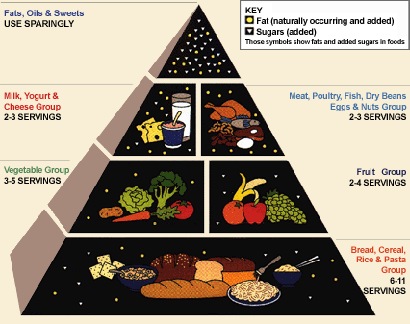
The perversity of this alternative hypothesis is that it identifies the cause of obesity as precisely those refined carbohydrates at the base of the famous Food Guide Pyramid — the pasta, rice and bread — that we are told should be the staple of our healthy low-fat diet, and then on the sugar or corn syrup in the soft drinks, fruit juices and sports drinks that we have taken to consuming in quantity if for no other reason than that they are fat free and so appear intrinsically healthy. While the low-fat-is-good-health dogma represents reality as we have come to know it, and the government has spent hundreds of millions of dollars in research trying to prove its worth, the low-carbohydrate message has been relegated to the realm of unscientific fantasy.
Over the past five years, however, there has been a subtle shift in the scientific consensus. It used to be that even considering the possibility of the alternative hypothesis, let alone researching it, was tantamount to quackery by association. Now a small but growing minority of establishment researchers have come to take seriously what the low-carb-diet doctors have been saying all along. Walter Willett, chairman of the department of nutrition at the Harvard School of Public Health, may be the most visible proponent of testing this heretic hypothesis. Willett is the de facto spokesman of the longest-running, most comprehensive diet and health studies ever performed, which have already cost upward of $100 million and include data on nearly 300,000 individuals. Those data, says Willett, clearly contradict the low-fat-is-good-health message ”and the idea that all fat is bad for you; the exclusive focus on adverse effects of fat may have contributed to the obesity epidemic.”
These researchers point out that there are plenty of reasons to suggest that the low-fat-is-good-health hypothesis has now effectively failed the test of time. In particular, that we are in the midst of an obesity epidemic that started around the early 1980’s, and that this was coincident with the rise of the low-fat dogma. (Type 2 diabetes, the most common form of the disease, also rose significantly through this period.) They say that low-fat weight-loss diets have proved in clinical trials and real life to be dismal failures, and that on top of it all, the percentage of fat in the American diet has been decreasing for two decades. Our cholesterol levels have been declining, and we have been smoking less, and yet the incidence of heart disease has not declined as would be expected. ”That is very disconcerting,” Willett says. ”It suggests that something else bad is happening.”
The science behind the alternative hypothesis can be called Endocrinology 101, which is how it’s referred to by David Ludwig, a researcher at Harvard Medical School who runs the pediatric obesity clinic at Children’s Hospital Boston, and who prescribes his own version of a carbohydrate-restricted diet to his patients. Endocrinology 101 requires an understanding of how carbohydrates affect insulin and blood sugar and in turn fat metabolism and appetite. This is basic endocrinology, Ludwig says, which is the study of hormones, and it is still considered radical because the low-fat dietary wisdom emerged in the 1960’s from researchers almost exclusively concerned with the effect of fat on cholesterol and heart disease. At the time, Endocrinology 101 was still underdeveloped, and so it was ignored. Now that this science is becoming clear, it has to fight a quarter century of anti-fat prejudice.
The alternative hypothesis also comes with an implication that is worth considering for a moment, because it’s a whopper, and it may indeed be an obstacle to its acceptance. If the alternative hypothesis is right — still a big ”if” — then it strongly suggests that the ongoing epidemic of obesity in America and elsewhere is not, as we are constantly told, due simply to a collective lack of will power and a failure to exercise. Rather it occurred, as Atkins has been saying (along with Barry Sears, author of ”The Zone”), because the public health authorities told us unwittingly, but with the best of intentions, to eat precisely those foods that would make us fat, and we did. We ate more fat-free carbohydrates, which, in turn, made us hungrier and then heavier. Put simply, if the alternative hypothesis is right, then a low-fat diet is not by definition a healthy diet. In practice, such a diet cannot help being high in carbohydrates, and that can lead to obesity, and perhaps even heart disease. ”For a large percentage of the population, perhaps 30 to 40 percent, low-fat diets are counterproductive,” says Eleftheria Maratos-Flier, director of obesity research at Harvard’s prestigious Joslin Diabetes Center. ”They have the paradoxical effect of making people gain weight.”
Scientists are still arguing about fat, despite a century of research, because the regulation of appetite and weight in the human body happens to be almost inconceivably complex, and the experimental tools we have to study it are still remarkably inadequate. This combination leaves researchers in an awkward position. To study the entire physiological system involves feeding real food to real human subjects for months or years on end, which is prohibitively expensive, ethically questionable (if you’re trying to measure the effects of foods that might cause heart disease) and virtually impossible to do in any kind of rigorously controlled scientific manner. But if researchers seek to study something less costly and more controllable, they end up studying experimental situations so oversimplified that their results may have nothing to do with reality. This then leads to a research literature so vast that it’s possible to find at least some published research to support virtually any theory. The result is a balkanized community — ”splintered, very opinionated and in many instances, intransigent,” says Kurt Isselbacher, a former chairman of the Food and Nutrition Board of the National Academy of Science — in which researchers seem easily convinced that their preconceived notions are correct and thoroughly uninterested in testing any other hypotheses but their own.
What’s more, the number of misconceptions propagated about the most basic research can be staggering. Researchers will be suitably scientific describing the limitations of their own experiments, and then will cite something as gospel truth because they read it in a magazine. The classic example is the statement heard repeatedly that 95 percent of all dieters never lose weight, and 95 percent of those who do will not keep it off. This will be correctly attributed to the University of Pennsylvania psychiatrist Albert Stunkard, but it will go unmentioned that this statement is based on 100 patients who passed through Stunkard’s obesity clinic during the Eisenhower administration.
With these caveats, one of the few reasonably reliable facts about the obesity epidemic is that it started around the early 1980’s. According to Katherine Flegal, an epidemiologist at the National Center for Health Statistics, the percentage of obese Americans stayed relatively constant through the 1960’s and 1970’s at 13 percent to 14 percent and then shot up by 8 percentage points in the 1980’s. By the end of that decade, nearly one in four Americans was obese. That steep rise, which is consistent through all segments of American society and which continued unabated through the 1990’s, is the singular feature of the epidemic. Any theory that tries to explain obesity in America has to account for that. Meanwhile, overweight children nearly tripled in number. And for the first time, physicians began diagnosing Type 2 diabetes in adolescents. Type 2 diabetes often accompanies obesity. It used to be called adult-onset diabetes and now, for the obvious reason, is not.
So how did this happen? The orthodox and ubiquitous explanation is that we live in what Kelly Brownell, a Yale psychologist, has called a ”toxic food environment” of cheap fatty food, large portions, pervasive food advertising and sedentary lives. By this theory, we are at the Pavlovian mercy of the food industry, which spends nearly $10 billion a year advertising unwholesome junk food and fast food. And because these foods, especially fast food, are so filled with fat, they are both irresistible and uniquely fattening. On top of this, so the theory goes, our modern society has successfully eliminated physical activity from our daily lives. We no longer exercise or walk up stairs, nor do our children bike to school or play outside, because they would prefer to play video games and watch television. And because some of us are obviously predisposed to gain weight while others are not, this explanation also has a genetic component — the thrifty gene. It suggests that storing extra calories as fat was an evolutionary advantage to our Paleolithic ancestors, who had to survive frequent famine. We then inherited these ”thrifty” genes, despite their liability in today’s toxic environment.
This theory makes perfect sense and plays to our puritanical prejudice that fat, fast food and television are innately damaging to our humanity. But there are two catches. First, to buy this logic is to accept that the copious negative reinforcement that accompanies obesity — both socially and physically — is easily overcome by the constant bombardment of food advertising and the lure of a supersize bargain meal. And second, as Flegal points out, little data exist to support any of this. Certainly none of it explains what changed so significantly to start the epidemic. Fast-food consumption, for example, continued to grow steadily through the 70’s and 80’s, but it did not take a sudden leap, as obesity did.
As far as exercise and physical activity go, there are no reliable data before the mid-80’s, according to William Dietz, who runs the division of nutrition and physical activity at the Centers for Disease Control; the 1990’s data show obesity rates continuing to climb, while exercise activity remained unchanged. This suggests the two have little in common. Dietz also acknowledged that a culture of physical exercise began in the United States in the 70’s — the ”leisure exercise mania,” as Robert Levy, director of the National Heart, Lung and Blood Institute, described it in 1981 — and has continued through the present day.
As for the thrifty gene, it provides the kind of evolutionary rationale for human behavior that scientists find comforting but that simply cannot be tested. In other words, if we were living through an anorexia epidemic, the experts would be discussing the equally untestable ”spendthrift gene” theory, touting evolutionary advantages of losing weight effortlessly. An overweight homo erectus, they’d say, would have been easy prey for predators.
It is also undeniable, note students of Endocrinology 101, that mankind never evolved to eat a diet high in starches or sugars. ”Grain products and concentrated sugars were essentially absent from human nutrition until the invention of agriculture,” Ludwig says, ”which was only 10,000 years ago.” This is discussed frequently in the anthropology texts but is mostly absent from the obesity literature, with the prominent exception of the low-carbohydrate-diet books.
What’s forgotten in the current controversy is that the low-fat dogma itself is only about 25 years old. Until the late 70’s, the accepted wisdom was that fat and protein protected against overeating by making you sated, and that carbohydrates made you fat. In ”The Physiology of Taste,” for instance, an 1825 discourse considered among the most famous books ever written about food, the French gastronome Jean Anthelme Brillat-Savarin says that he could easily identify the causes of obesity after 30 years of listening to one ”stout party” after another proclaiming the joys of bread, rice and (from a ”particularly stout party”) potatoes. Brillat-Savarin described the roots of obesity as a natural predisposition conjuncted with the ”floury and feculent substances which man makes the prime ingredients of his daily nourishment.” He added that the effects of this fecula — i.e., ”potatoes, grain or any kind of flour” — were seen sooner when sugar was added to the diet.
 This is what my mother taught me 40 years ago, backed up by the vague observation that Italians tended toward corpulence because they ate so much pasta. This observation was actually documented by Ancel Keys, a University of Minnesota physician who noted that fats ”have good staying power,” by which he meant they are slow to be digested and so lead to satiation, and that Italians were among the heaviest populations he had studied. According to Keys, the Neapolitans, for instance, ate only a little lean meat once or twice a week, but ate bread and pasta every day for lunch and dinner. ”There was no evidence of nutritional deficiency,” he wrote, ”but the working-class women were fat.”
By the 70’s, you could still find articles in the journals describing high rates of obesity in Africa and the Caribbean where diets contained almost exclusively carbohydrates. The common thinking, wrote a former director of the Nutrition Division of the United Nations, was that the ideal diet, one that prevented obesity, snacking and excessive sugar consumption, was a diet ”with plenty of eggs, beef, mutton, chicken, butter and well-cooked vegetables.” This was the identical prescription Brillat-Savarin put forth in 1825.
It was Ancel Keys, paradoxically, who introduced the low-fat-is-good-health dogma in the 50’s with his theory that dietary fat raises cholesterol levels and gives you heart disease. Over the next two decades, however, the scientific evidence supporting this theory remained stubbornly ambiguous. The case was eventually settled not by new science but by politics. It began in January 1977, when a Senate committee led by George McGovern published its ”Dietary Goals for the United States,” advising that Americans significantly curb their fat intake to abate an epidemic of ”killer diseases” supposedly sweeping the country. It peaked in late 1984, when the National Institutes of Health officially recommended that all Americans over the age of 2 eat less fat. By that time, fat had become ”this greasy killer” in the memorable words of the Center for Science in the Public Interest, and the model American breakfast of eggs and bacon was well on its way to becoming a bowl of Special K with low-fat milk, a glass of orange juice and toast, hold the butter — a dubious feast of refined carbohydrates.
In the intervening years, the N.I.H. spent several hundred million dollars trying to demonstrate a connection between eating fat and getting heart disease and, despite what we might think, it failed. Five major studies revealed no such link. A sixth, however, costing well over $100 million alone, concluded that reducing cholesterol by drug therapy could prevent heart disease. The N.I.H. administrators then made a leap of faith. Basil Rifkind, who oversaw the relevant trials for the N.I.H., described their logic this way: they had failed to demonstrate at great expense that eating less fat had any health benefits. But if a cholesterol-lowering drug could prevent heart attacks, then a low-fat, cholesterol-lowering diet should do the same. ”It’s an imperfect world,” Rifkind told me. ”The data that would be definitive is ungettable, so you do your best with what is available.”
Some of the best scientists disagreed with this low-fat logic, suggesting that good science was incompatible with such leaps of faith, but they were effectively ignored. Pete Ahrens, whose Rockefeller University laboratory had done the seminal research on cholesterol metabolism, testified to McGovern’s committee that everyone responds differently to low-fat diets. It was not a scientific matter who might benefit and who might be harmed, he said, but ”a betting matter.” Phil Handler, then president of the National Academy of Sciences, testified in Congress to the same effect in 1980. ”What right,” Handler asked, ”has the federal government to propose that the American people conduct a vast nutritional experiment, with themselves as subjects, on the strength of so very little evidence that it will do them any good?”
Nonetheless, once the N.I.H. signed off on the low-fat doctrine, societal forces took over. The food industry quickly began producing thousands of reduced-fat food products to meet the new recommendations. Fat was removed from foods like cookies, chips and yogurt. The problem was, it had to be replaced with something as tasty and pleasurable to the palate, which meant some form of sugar, often high-fructose corn syrup. Meanwhile, an entire industry emerged to create fat substitutes, of which Procter & Gamble’s olestra was first. And because these reduced-fat meats, cheeses, snacks and cookies had to compete with a few hundred thousand other food products marketed in America, the industry dedicated considerable advertising effort to reinforcing the less-fat-is-good-health message. Helping the cause was what Walter Willett calls the ”huge forces” of dietitians, health organizations, consumer groups, health reporters and even cookbook writers, all well-intended missionaries of healthful eating.
Few experts now deny that the low-fat message is radically oversimplified. If nothing else, it effectively ignores the fact that unsaturated fats, like olive oil, are relatively good for you: they tend to elevate your good cholesterol, high-density lipoprotein (H.D.L.), and lower your bad cholesterol, low-density lipoprotein (L.D.L.), at least in comparison to the effect of carbohydrates. While higher L.D.L. raises your heart-disease risk, higher H.D.L. reduces it.
What this means is that even saturated fats — a k a, the bad fats — are not nearly as deleterious as you would think. True, they will elevate your bad cholesterol, but they will also elevate your good cholesterol. In other words, it’s a virtual wash. As Willett explained to me, you will gain little to no health benefit by giving up milk, butter and cheese and eating bagels instead.
But it gets even weirder than that. Foods considered more or less deadly under the low-fat dogma turn out to be comparatively benign if you actually look at their fat content. More than two-thirds of the fat in a porterhouse steak, for instance, will definitively improve your cholesterol profile (at least in comparison with the baked potato next to it); it’s true that the remainder will raise your L.D.L., the bad stuff, but it will also boost your H.D.L. The same is true for lard. If you work out the numbers, you come to the surreal conclusion that you can eat lard straight from the can and conceivably reduce your risk of heart disease.
The crucial example of how the low-fat recommendations were oversimplified is shown by the impact — potentially lethal, in fact — of low-fat diets on triglycerides, which are the component molecules of fat. By the late 60’s, researchers had shown that high triglyceride levels were at least as common in heart-disease patients as high L.D.L. cholesterol, and that eating a low-fat, high-carbohydrate diet would, for many people, raise their triglyceride levels, lower their H.D.L. levels and accentuate what Gerry Reaven, an endocrinologist at Stanford University, called Syndrome X. This is a cluster of conditions that can lead to heart disease and Type 2 diabetes.
It took Reaven a decade to convince his peers that Syndrome X was a legitimate health concern, in part because to accept its reality is to accept that low-fat diets will increase the risk of heart disease in a third of the population. ”Sometimes we wish it would go away because nobody knows how to deal with it,” said Robert Silverman, an N.I.H. researcher, at a 1987 N.I.H. conference. ”High protein levels can be bad for the kidneys. High fat is bad for your heart. Now Reaven is saying not to eat high carbohydrates. We have to eat something.”
Surely, everyone involved in drafting the various dietary guidelines wanted Americans simply to eat less junk food, however you define it, and eat more the way they do in Berkeley, Calif. But we didn’t go along. Instead we ate more starches and refined carbohydrates, because calorie for calorie, these are the cheapest nutrients for the food industry to produce, and they can be sold at the highest profit. It’s also what we like to eat. Rare is the person under the age of 50 who doesn’t prefer a cookie or heavily sweetened yogurt to a head of broccoli.
”All reformers would do well to be conscious of the law of unintended consequences,” says Alan Stone, who was staff director for McGovern’s Senate committee. Stone told me he had an inkling about how the food industry would respond to the new dietary goals back when the hearings were first held. An economist pulled him aside, he said, and gave him a lesson on market disincentives to healthy eating: ”He said if you create a new market with a brand-new manufactured food, give it a brand-new fancy name, put a big advertising budget behind it, you can have a market all to yourself and force your competitors to catch up. You can’t do that with fruits and vegetables. It’s harder to differentiate an apple from an apple.”
Nutrition researchers also played a role by trying to feed science into the idea that carbohydrates are the ideal nutrient. It had been known, for almost a century, and considered mostly irrelevant to the etiology of obesity, that fat has nine calories per gram compared with four for carbohydrates and protein. Now it became the fail-safe position of the low-fat recommendations: reduce the densest source of calories in the diet and you will lose weight. Then in 1982, J.P. Flatt, a University of Massachusetts biochemist, published his research demonstrating that, in any normal diet, it is extremely rare for the human body to convert carbohydrates into body fat. This was then misinterpreted by the media and quite a few scientists to mean that eating carbohydrates, even to excess, could not make you fat — which is not the case, Flatt says. But the misinterpretation developed a vigorous life of its own because it resonated with the notion that fat makes you fat and carbohydrates are harmless.
As a result, the major trends in American diets since the late 70’s, according to the U.S.D.A. agricultural economist Judith Putnam, have been a decrease in the percentage of fat calories and a ”greatly increased consumption of carbohydrates.” To be precise, annual grain consumption has increased almost 60 pounds per person, and caloric sweeteners (primarily high-fructose corn syrup) by 30 pounds. At the same time, we suddenly began consuming more total calories: now up to 400 more each day since the government started recommending low-fat diets.
If these trends are correct, then the obesity epidemic can certainly be explained by Americans’ eating more calories than ever — excess calories, after all, are what causes us to gain weight — and, specifically, more carbohydrates. The question is why?
The answer provided by Endocrinology 101 is that we are simply hungrier than we were in the 70’s, and the reason is physiological more than psychological. In this case, the salient factor — ignored in the pursuit of fat and its effect on cholesterol — is how carbohydrates affect blood sugar and insulin. In fact, these were obvious culprits all along, which is why Atkins and the low-carb-diet doctors pounced on them early.
The primary role of insulin is to regulate blood-sugar levels. After you eat carbohydrates, they will be broken down into their component sugar molecules and transported into the bloodstream. Your pancreas then secretes insulin, which shunts the blood sugar into muscles and the liver as fuel for the next few hours. This is why carbohydrates have a significant impact on insulin and fat does not. And because juvenile diabetes is caused by a lack of insulin, physicians believed since the 20’s that the only evil with insulin is not having enough.
But insulin also regulates fat metabolism. We cannot store body fat without it. Think of insulin as a switch. When it’s on, in the few hours after eating, you burn carbohydrates for energy and store excess calories as fat. When it’s off, after the insulin has been depleted, you burn fat as fuel. So when insulin levels are low, you will burn your own fat, but not when they’re high.
This is where it gets unavoidably complicated. The fatter you are, the more insulin your pancreas will pump out per meal, and the more likely you’ll develop what’s called ”insulin resistance,” which is the underlying cause of Syndrome X. In effect, your cells become insensitive to the action of insulin, and so you need ever greater amounts to keep your blood sugar in check. So as you gain weight, insulin makes it easier to store fat and harder to lose it. But the insulin resistance in turn may make it harder to store fat — your weight is being kept in check, as it should be. But now the insulin resistance might prompt your pancreas to produce even more insulin, potentially starting a vicious cycle. Which comes first — the obesity, the elevated insulin, known as hyperinsulinemia, or the insulin resistance — is a chicken-and-egg problem that hasn’t been resolved. One endocrinologist described this to me as ”the Nobel-prize winning question.”
Insulin also profoundly affects hunger, although to what end is another point of controversy. On the one hand, insulin can indirectly cause hunger by lowering your blood sugar, but how low does blood sugar have to drop before hunger kicks in? That’s unresolved. Meanwhile, insulin works in the brain to suppress hunger. The theory, as explained to me by Michael Schwartz, an endocrinologist at the University of Washington, is that insulin’s ability to inhibit appetite would normally counteract its propensity to generate body fat. In other words, as you gained weight, your body would generate more insulin after every meal, and that in turn would suppress your appetite; you’d eat less and lose the weight.
Schwartz, however, can imagine a simple mechanism that would throw this ”homeostatic” system off balance: if your brain were to lose its sensitivity to insulin, just as your fat and muscles do when they are flooded with it. Now the higher insulin production that comes with getting fatter would no longer compensate by suppressing your appetite, because your brain would no longer register the rise in insulin. The end result would be a physiologic state in which obesity is almost preordained, and one in which the carbohydrate-insulin connection could play a major role. Schwartz says he believes this could indeed be happening, but research hasn’t progressed far enough to prove it. ”It is just a hypothesis,” he says. ”It still needs to be sorted out.”
David Ludwig, the Harvard endocrinologist, says that it’s the direct effect of insulin on blood sugar that does the trick. He notes that when diabetics get too much insulin, their blood sugar drops and they get ravenously hungry. They gain weight because they eat more, and the insulin promotes fat deposition. The same happens with lab animals. This, he says, is effectively what happens when we eat carbohydrates — in particular sugar and starches like potatoes and rice, or anything made from flour, like a slice of white bread. These are known in the jargon as high-glycemic-index carbohydrates, which means they are absorbed quickly into the blood. As a result, they cause a spike of blood sugar and a surge of insulin within minutes. The resulting rush of insulin stores the blood sugar away and a few hours later, your blood sugar is lower than it was before you ate. As Ludwig explains, your body effectively thinks it has run out of fuel, but the insulin is still high enough to prevent you from burning your own fat. The result is hunger and a craving for more carbohydrates. It’s another vicious circle, and another situation ripe for obesity.
The glycemic-index concept and the idea that starches can be absorbed into the blood even faster than sugar emerged in the late 70’s, but again had no influence on public health recommendations, because of the attendant controversies. To wit: if you bought the glycemic-index concept, then you had to accept that the starches we were supposed to be eating 6 to 11 times a day were, once swallowed, physiologically indistinguishable from sugars. This made them seem considerably less than wholesome. Rather than accept this possibility, the policy makers simply allowed sugar and corn syrup to elude the vilification that befell dietary fat. After all, they are fat-free.
Sugar and corn syrup from soft drinks, juices and the copious teas and sports drinks now supply more than 10 percent of our total calories; the 80’s saw the introduction of Big Gulps and 32-ounce cups of Coca-Cola, blasted through with sugar, but 100 percent fat free. When it comes to insulin and blood sugar, these soft drinks and fruit juices — what the scientists call ”wet carbohydrates” — might indeed be worst of all. (Diet soda accounts for less than a quarter of the soda market.)
The gist of the glycemic-index idea is that the longer it takes the carbohydrates to be digested, the lesser the impact on blood sugar and insulin and the healthier the food. Those foods with the highest rating on the glycemic index are some simple sugars, starches and anything made from flour. Green vegetables, beans and whole grains cause a much slower rise in blood sugar because they have fiber, a nondigestible carbohydrate, which slows down digestion and lowers the glycemic index. Protein and fat serve the same purpose, which implies that eating fat can be beneficial, a notion that is still unacceptable. And the glycemic-index concept implies that a primary cause of Syndrome X, heart disease, Type 2 diabetes and obesity is the long-term damage caused by the repeated surges of insulin that come from eating starches and refined carbohydrates. This suggests a kind of unified field theory for these chronic diseases, but not one that coexists easily with the low-fat doctrine.
At Ludwig’s pediatric obesity clinic, he has been prescribing low-glycemic-index diets to children and adolescents for five years now. He does not recommend the Atkins diet because he says he believes such a very low carbohydrate approach is unnecessarily restrictive; instead, he tells his patients to effectively replace refined carbohydrates and starches with vegetables, legumes and fruit. This makes a low-glycemic-index diet consistent with dietary common sense, albeit in a higher-fat kind of way. His clinic now has a nine-month waiting list. Only recently has Ludwig managed to convince the N.I.H. that such diets are worthy of study. His first three grant proposals were summarily rejected, which may explain why much of the relevant research has been done in Canada and in Australia. In April, however, Ludwig received $1.2 million from the N.I.H. to test his low-glycemic-index diet against a traditional low-fat-low-calorie regime. That might help resolve some of the controversy over the role of insulin in obesity, although the redoubtable Robert Atkins might get there first.
The 71-year-old Atkins, a graduate of Cornell medical school, says he first tried a very low carbohydrate diet in 1963 after reading about one in the Journal of the American Medical Association. He lost weight effortlessly, had his epiphany and turned a fledgling Manhattan cardiology practice into a thriving obesity clinic. He then alienated the entire medical community by telling his readers to eat as much fat and protein as they wanted, as long as they ate little to no carbohydrates. They would lose weight, he said, because they would keep their insulin down; they wouldn’t be hungry; and they would have less resistance to burning their own fat. Atkins also noted that starches and sugar were harmful in any event because they raised triglyceride levels and that this was a greater risk factor for heart disease than cholesterol.
Atkins’s diet is both the ultimate manifestation of the alternative hypothesis as well as the battleground on which the fat-versus-carbohydrates controversy is likely to be fought scientifically over the next few years. After insisting Atkins was a quack for three decades, obesity experts are now finding it difficult to ignore the copious anecdotal evidence that his diet does just what he has claimed. Take Albert Stunkard, for instance. Stunkard has been trying to treat obesity for half a century, but he told me he had his epiphany about Atkins and maybe about obesity as well just recently when he discovered that the chief of radiology in his hospital had lost 60 pounds on Atkins’s diet. ”Well, apparently all the young guys in the hospital are doing it,” he said. ”So we decided to do a study.” When I asked Stunkard if he or any of his colleagues considered testing Atkins’s diet 30 years ago, he said they hadn’t because they thought Atkins was ”a jerk” who was just out to make money: this ”turned people off, and so nobody took him seriously enough to do what we’re finally doing.”
In fact, when the American Medical Association released its scathing critique of Atkins’s diet in March 1973, it acknowledged that the diet probably worked, but expressed little interest in why. Through the 60’s, this had been a subject of considerable research, with the conclusion that Atkins-like diets were low-calorie diets in disguise; that when you cut out pasta, bread and potatoes, you’ll have a hard time eating enough meat, vegetables and cheese to replace the calories.
That, however, raised the question of why such a low-calorie regimen would also suppress hunger, which Atkins insisted was the signature characteristic of the diet. One possibility was Endocrinology 101: that fat and protein make you sated and, lacking carbohydrates and the ensuing swings of blood sugar and insulin, you stay sated. The other possibility arose from the fact that Atkins’s diet is ”ketogenic.” This means that insulin falls so low that you enter a state called ketosis, which is what happens during fasting and starvation. Your muscles and tissues burn body fat for energy, as does your brain in the form of fat molecules produced by the liver called ketones. Atkins saw ketosis as the obvious way to kick-start weight loss. He also liked to say that ketosis was so energizing that it was better than sex, which set him up for some ridicule. An inevitable criticism of Atkins’s diet has been that ketosis is dangerous and to be avoided at all costs.
When I interviewed ketosis experts, however, they universally sided with Atkins, and suggested that maybe the medical community and the media confuse ketosis with ketoacidosis, a variant of ketosis that occurs in untreated diabetics and can be fatal. ”Doctors are scared of ketosis,” says Richard Veech, an N.I.H. researcher who studied medicine at Harvard and then got his doctorate at Oxford University with the Nobel Laureate Hans Krebs. ”They’re always worried about diabetic ketoacidosis. But ketosis is a normal physiologic state. I would argue it is the normal state of man. It’s not normal to have McDonald’s and a delicatessen around every corner. It’s normal to starve.”
Simply put, ketosis is evolution’s answer to the thrifty gene. We may have evolved to efficiently store fat for times of famine, says Veech, but we also evolved ketosis to efficiently live off that fat when necessary. Rather than being poison, which is how the press often refers to ketones, they make the body run more efficiently and provide a backup fuel source for the brain. Veech calls ketones ”magic” and has shown that both the heart and brain run 25 percent more efficiently on ketones than on blood sugar.
The bottom line is that for the better part of 30 years Atkins insisted his diet worked and was safe, Americans apparently tried it by the tens of millions, while nutritionists, physicians, public- health authorities and anyone concerned with heart disease insisted it could kill them, and expressed little or no desire to find out who was right. During that period, only two groups of U.S. researchers tested the diet, or at least published their results. In the early 70’s, J.P. Flatt and Harvard’s George Blackburn pioneered the ”protein-sparing modified fast” to treat postsurgical patients, and they tested it on obese volunteers. Blackburn, who later became president of the American Society of Clinical Nutrition, describes his regime as ”an Atkins diet without excess fat” and says he had to give it a fancy name or nobody would take him seriously. The diet was ”lean meat, fish and fowl” supplemented by vitamins and minerals. ”People loved it,” Blackburn recalls. ”Great weight loss. We couldn’t run them off with a baseball bat.” Blackburn successfully treated hundreds of obese patients over the next decade and published a series of papers that were ignored. When obese New Englanders turned to appetite-control drugs in the mid-80’s, he says, he let it drop. He then applied to the N.I.H. for a grant to do a clinical trial of popular diets but was rejected.
The second trial, published in September 1980, was done at the George Washington University Medical Center. Two dozen obese volunteers agreed to follow Atkins’s diet for eight weeks and lost an average of 17 pounds each, with no apparent ill effects, although their L.D.L. cholesterol did go up. The researchers, led by John LaRosa, now president of the State University of New York Downstate Medical Center in Brooklyn, concluded that the 17-pound weight loss in eight weeks would likely have happened with any diet under ”the novelty of trying something under experimental conditions” and never pursued it further.
Now researchers have finally decided that Atkins’s diet and other low-carb diets have to be tested, and are doing so against traditional low-calorie-low-fat diets as recommended by the American Heart Association. To explain their motivation, they inevitably tell one of two stories: some, like Stunkard, told me that someone they knew — a patient, a friend, a fellow physician — lost considerable weight on Atkins’s diet and, despite all their preconceptions to the contrary, kept it off. Others say they were frustrated with their inability to help their obese patients, looked into the low-carb diets and decided that Endocrinology 101 was compelling. ”As a trained physician, I was trained to mock anything like the Atkins diet,” says Linda Stern, an internist at the Philadelphia Veterans Administration Hospital, ”but I put myself on the diet. I did great. And I thought maybe this is something I can offer my patients.”
None of these studies have been financed by the N.I.H., and none have yet been published. But the results have been reported at conferences — by researchers at Schneider Children’s Hospital on Long Island, Duke University and the University of Cincinnati, and by Stern’s group at the Philadelphia V.A. Hospital. And then there’s the study Stunkard had mentioned, led by Gary Foster at the University of Pennsylvania, Sam Klein, director of the Center for Human Nutrition at Washington University in St. Louis, and Jim Hill, who runs the University of Colorado Center for Human Nutrition in Denver. The results of all five of these studies are remarkably consistent. Subjects on some form of the Atkins diet — whether overweight adolescents on the diet for 12 weeks as at Schneider, or obese adults averaging 295 pounds on the diet for six months, as at the Philadelphia V.A. — lost twice the weight as the subjects on the low-fat, low-calorie diets.
In all five studies, cholesterol levels improved similarly with both diets, but triglyceride levels were considerably lower with the Atkins diet. Though researchers are hesitant to agree with this, it does suggest that heart-disease risk could actually be reduced when fat is added back into the diet and starches and refined carbohydrates are removed. ”I think when this stuff gets to be recognized,” Stunkard says, ”it’s going to really shake up a lot of thinking about obesity and metabolism.”
All of this could be settled sooner rather than later, and with it, perhaps, we might have some long-awaited answers as to why we grow fat and whether it is indeed preordained by societal forces or by our choice of foods. For the first time, the N.I.H. is now actually financing comparative studies of popular diets. Foster, Klein and Hill, for instance, have now received more than $2.5 million from N.I.H. to do a five-year trial of the Atkins diet with 360 obese individuals. At Harvard, Willett, Blackburn and Penelope Greene have money, albeit from Atkins’s nonprofit foundation, to do a comparative trial as well.
Should these clinical trials also find for Atkins and his high-fat, low-carbohydrate diet, then the public-health authorities may indeed have a problem on their hands. Once they took their leap of faith and settled on the low-fat dietary dogma 25 years ago, they left little room for contradictory evidence or a change of opinion, should such a change be necessary to keep up with the science. In this light Sam Klein’s experience is noteworthy. Klein is president-elect of the North American Association for the Study of Obesity, which suggests that he is a highly respected member of his community. And yet, he described his recent experience discussing the Atkins diet at medical conferences as a learning experience. ”I have been impressed,” he said, ”with the anger of academicians in the audience. Their response is ‘How dare you even present data on the Atkins diet!’ ”
This hostility stems primarily from their anxiety that Americans, given a glimmer of hope about their weight, will rush off en masse to try a diet that simply seems intuitively dangerous and on which there is still no long-term data on whether it works and whether it is safe. It’s a justifiable fear. In the course of my research, I have spent my mornings at my local diner, staring down at a plate of scrambled eggs and sausage, convinced that somehow, some way, they must be working to clog my arteries and do me in.
After 20 years steeped in a low-fat paradigm, I find it hard to see the nutritional world any other way. I have learned that low-fat diets fail in clinical trials and in real life, and they certainly have failed in my life. I have read the papers suggesting that 20 years of low-fat recommendations have not managed to lower the incidence of heart disease in this country, and may have led instead to the steep increase in obesity and Type 2 diabetes. I have interviewed researchers whose computer models have calculated that cutting back on the saturated fats in my diet to the levels recommended by the American Heart Association would not add more than a few months to my life, if that. I have even lost considerable weight with relative ease by giving up carbohydrates on my test diet, and yet I can look down at my eggs and sausage and still imagine the imminent onset of heart disease and obesity, the latter assuredly to be caused by some bizarre rebound phenomena the likes of which science has not yet begun to describe. The fact that Atkins himself has had heart trouble recently does not ease my anxiety, despite his assurance that it is not diet-related.
This is the state of mind I imagine that mainstream nutritionists, researchers and physicians must inevitably take to the fat-versus-carbohydrate controversy. They may come around, but the evidence will have to be exceptionally compelling. Although this kind of conversion may be happening at the moment to John Farquhar, who is a professor of health research and policy at Stanford University and has worked in this field for more than 40 years. When I interviewed Farquhar in April, he explained why low-fat diets might lead to weight gain and low-carbohydrate diets might lead to weight loss, but he made me promise not to say he believed they did. He attributed the cause of the obesity epidemic to the ”force-feeding of a nation.” Three weeks later, after reading an article on Endocrinology 101 by David Ludwig in the Journal of the American Medical Association, he sent me an e-mail message asking the not-entirely-rhetorical question, ”Can we get the low-fat proponents to apologize?”
we need saturated fats!
Posted: June 14, 2009 Filed under: Food and it's Impact on Our Health Leave a comment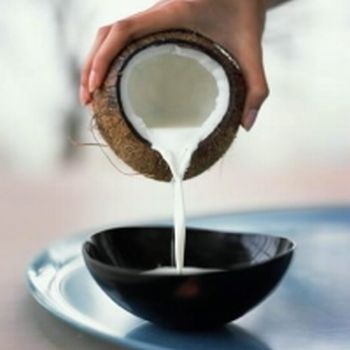 During the "no-fat" craze of the past decades, all fats, especially saturated fats were marked as bad, evil even, or in the words of the AHA: "the greasy killer" … in short, as something to be avoided like the plague. Massive scientific knowledge and evidence to the contrary was already in place, but as so often happens, perceptions – pushed by industries like the corn oil companies who profited immensely from doing so – overshadowed the real scientific facts.
And coconut oil, far more nutritious and beneficial than any corn, peanut, soy, safflower and the other oils out there, nonetheless got tossed into the "no saturated fat" bin. Another black page in the "overgeneralization, sheer stupidity and lunacy" book of "modern" dieticians, populist media and government propaganda.
What you most certainly did not hear anywhere is that most of the so-called saturated fats a) are absolutely necessary to human health; and b) are not the culprit of weight gain at all; and c) come in three classes, of which the medium-chain can actually help you lose weight, increase metabolism, has anti-inflammatory properties, helps absorption of vitamins and other micronutrients, prevents hyperthyroidism, are essential to the brain and cell membrane protection, and promotes proper digestion. Just to mention a few of the many, many clearly proven benefits of this (oh evil of evils) saturated fat.
So, coconut oil’s saturated fat is of the medium-chain fatty acid variety. These MCFAs are digested more easily and utilized differently by the body than other fats. In short, whereas other fats are stored in the body’s cells, the MCFAs in coconut oil are sent directly to the liver where they are immediately converted into energy. So when you consume coconut oil, the body uses it immediately to make energy rather than store it as body fat. Because this quick and easy absorption puts less strain on your pancreas, liver and digestive system, coconut oil "heats up" the metabolic system and is outstanding for those with thyroid problems.
The lauric acid in coconut oil is used by the body to make the same disease-fighting fatty acid derivative called monolaurin that babies make from the lauric acid they get from their mothers milk (did you know that mothers milk is up to 80% fat? Apparently nature understands proper nutrition better than our dieticians 🙂
Finally, coconut oil contains no super-dangerous trans-fats, which are found in vegetable oils (sometimes including olive oil), margarine, shortening and many more of these engineered non-foods. By the way: Did you know that misguided "health groups" in the US and UK forced (even coerced) many fast food chains to switch from lard and other saturated fats to trans-fats? Nice huh? The fact is, of course, that the stupid efforts of these misinformed fat-fobists had the exact opposite effect on health. It made the situation much worse. Trans-fats, as we all by now know, will raise LDLs or "bad" cholesterol levels quite dramatically and lead to clogged arteries, heart disease, type-II diabetes and more, and should be indeed avoided like the plague. Yep, these are the very dangers and effects saturated fats were accused of.
Guess who has been warning against trans-fats for years? Yep…you are right, the good doctor Robert C. Atkins. Of course, he was immediately ridiculed and lambasted for it, but once again, history shows him completely right. This man truly deserves a Nobel prize…
Saturated fats are not dangerous and they are not only healthy but essential. The low-fat fad has caused a fat deficiency leading to epidemics of disease in this country and is definitely associated with the obesity. When we eat foods that have been stripped of their natural fats, like so many dairy products, meats, etc., it’s just like the processing and stripping of vital nutrients from grains. Skim milk is not a healthy food. Would you believe I actually saw low-fat coconut that had been stripped of its natural fat on the grocery shelf the other day!! Your body cannot even absorb certain nutrients in foods eaten that are stripped of their natural fats. "The Soft Science of Dietary Fat" by Gary Taubes, published in Science magazine explains how the low-fat crapola began and how low-fat advocates have attempted to prove scientifically that a low-fat diet is healthy and saturated fats are harmful but have failed totally.
France is another example of the health benefits of saturated fat. A few decades ago (before they started getting our SAD diet) they ate 3 times more saturated fat than we do, but a fraction of the sugar. Their heart disease was practically nonexistent and French women had the lowest heart disease rate in the world. I believe the rising incidence of heart disease and breast cancer in women in their 40s and 50s in the US is a result of the low-fat diet. Almost every woman I know in that age group is on it.
5 dangerous things you should let your child do
Posted: June 12, 2009 Filed under: Food and it's Impact on Our Health Leave a commentI LOVE what this video has to say…
Greening the Herds: A New Diet to Cap Gas
Posted: June 7, 2009 Filed under: Food and it's Impact on Our Health Leave a comment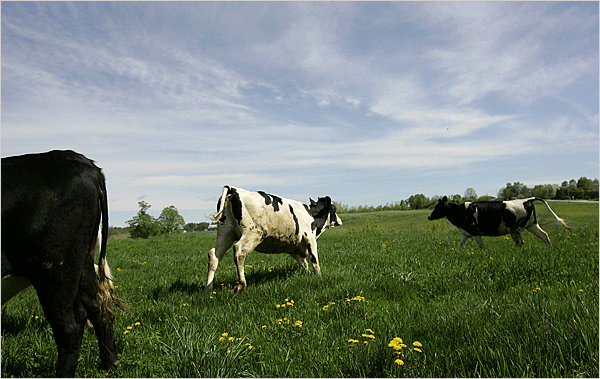
A NEW diet??? Cows have been eating grass for a long time!!! Duh!
From the NYTimes.
HIGHGATE, Vt. — Chewing her cud on a recent sunny morning, Libby, a 1,400-pound Holstein, paused to do her part in the battle against global warming, emitting a fragrant burp.
Libby, age 6, and the 74 other dairy cows on Guy Choiniere’s farm here are at the heart of an experiment to determine whether a change in diet will help them belch less methane, a potent heat-trapping gas that has been linked to climate change.
Since January, cows at 15 farms across Vermont have had their grain feed adjusted to include more plants like alfalfa and flaxseed — substances that, unlike corn or soy, mimic the spring grasses that the animals evolved long ago to eat.
As of the last reading in mid-May, the methane output of Mr. Choiniere’s herd had dropped 18 percent. Meanwhile, milk production has held its own.
To read the whole article, click here.
Two statements jumped out at me in this article;
“had their grain feed adjusted to include more plants like alfalfa and flaxseed — substances that, unlike corn or soy, mimic the spring grasses that the animals evolved long ago to eat.”
“They are healthier,” he said of his cows. “Their coats are shinier, and the breath is sweet.”
DUH!!!! Cows, just like humans, digest the food that is their natural diet! When we eat foods that do not belong in the human body, like grains and dairy, we get gas! (don’t get me started on the governments experiment to feed chewing gun wrappers to cows to see it affected the “quality” of their meat!) When cows eat corn, not their natural diet, they produce a LOT of gas. When grazing on grass, they do not produce gas.
Gas is caused by undigested food in the colon. Food is supposed to be completely digested in the stomach, if not it begins to putrefy in the colon, producing gas.
Notice the article says that adding alfalfa and flax seed improved their health and dropped gas emissions 18%. Here’s a novel approach; let them eat grass, stop the soy and corn. Feeding them soy and corn fattens them up faster. It is a race to get them to slaughter before their organs begin failing from poor nutrition. The author states that they are “healthier.” Why can’t they think of getting them HEALTHY, not just healthier.
And in turn, we would be healthy, benefiting greatly from grass-fed beef. Grass-fed beef has 10 times the Vitamins A, D and E, better quality fat, both which help us build healthy immune systems, protect us from cancer. We get the benefit from the cow eating it’s natural diet, all that grass full of chlorophyll from the grass, all that Vitamin A, D and E from the sun.
Corn fed beef is horrible for us, it’s better to follow a vegetarian diet.
BUT, a vegetarian diet is not healthy, grass fed beef is crucial to good health, beef stock is the best source of iron and calcium. Making and eating stocks is a lost art, one we need to get back to. My next post will teach you how to make stocks….
Two Choices
Posted: June 6, 2009 Filed under: Food and it's Impact on Our Health Leave a comment
Someone sent this to me today, I was moved to tears. A nice reminder that the right choice is always the loving one.
What would you do?….you make the choice. Don’t look for a punch line, there isn’t one. Read it anyway. My question is: Would you have made the same choice?
At a fundraising dinner for a school that serves children with learning disabilities, the father of one of the students delivered a speech that would never be forgotten by all who attended. After extolling the school and its dedicated staff, he offered a question:
‘When not interfered with by outside influences, everything nature does, is done with perfection. Yet my son, Shay, cannot learn things as other children do. He cannot understand things as other children do. Where is the natural order of things in my son?’The audience was stilled by the query.
The father continued.
‘I believe that when a child like Shay,who was mentally and physically disabled comes into the world, an opportunity to realize true human nature presents itself, and it comes in the way other people treat that child.’
Then he told the following story:
Shay and I had walked past a park where some boys Shay knew were playing baseball. Shay asked, ‘Do you think they’ll let me play?’
I knew that most of the boys would not want someone like Shay on their team, but as a father I also understood that if my son were allowed to play, it would give him a much-needed sense of belonging and some confidence to be accepted by others in spite of his handicaps.
I approached one of the boys on the field and asked (not expecting much) if Shay could play. The boy looked around for guidance and said, ‘We’re losing by six runs and the game is in the eighth inning. I guess he can be on our team and we’ll try to put him in to bat in the ninth inning.’
Shay struggled over to the team’s bench and, with a broad smile, put on a team shirt. I watched with a small tear in my eye and warmth in my heart. The boys saw my joy at my son being accepted. In the bottom of the eighth inning, Shay’s team scored a few runs but was still behind by three.
In the top of the ninth inning, Shay put on a glove and played in the right field. Even though no hits came his way, he was obviously ecstatic just to be in the game and on the field, grinning from ear to ear as I waved to him from the stands. In the bottom of the ninth inning, Shay’s team scored again. Now, with two outs and the bases loaded, the potential winning run was on base and Shay was scheduled to be next at bat. At this juncture, do they let Shay bat and give away their chance to win the game? Surprisingly, Shay was given the bat. Everyone knew that a hit was all but impossible because Shay didn’t even know how to hold the bat properly, much less connect with the ball.
However, as Shay stepped up to the plate, the pitcher, recognizing that the other team was putting winning aside for this moment in Shay’s life, moved in a few steps to lob the ball in softly so Shay could at least make contact.
The first pitch came and Shay swung clumsily and missed. The pitcher again took a few steps forward to toss the ball softly towards Shay. As the pitch came in, Shay swung at the ball and hit a slow ground ball right back to the pitcher.
The game would now be over.
The pitcher picked up the soft grounder and could have easily thrown the ball to the first baseman.
Shay would have been out and that would have been the end of the game.
Instead, the pitcher threw the ball right over the first baseman’s head, out of reach of all team mates.
Everyone from the stands and both teams started yelling, ‘Shay, run to first! Run to first!’
Never in his life had Shay ever run that far, but he made it to first base. He scampered down the baseline, wide-eyed and startled.
Everyone yelled, ‘Run to second, run to second!’
Catching his breath, Shay awkwardly ran towards second, gleaming and struggling to make it to the base.
By the time Shay rounded towards second base, the right fielder had the ball . the smallest guy on their team who now had his first chance to be the hero for his team.
He could have thrown the ball to the second-baseman for the tag, but he understood the pitcher’s intentions so he, too, intentionally threw the ball high and far over the third-baseman’s head.
Shay ran toward third base deliriously as the runners ahead of him circled the bases toward home. All were screaming, ‘Shay, Shay, Shay, all the Way Shay’
Shay reached third base because the opposing shortstop ran to help him by turning him in the direction of third base, and shouted, ‘Run to third! Shay, run to third!’
As Shay rounded third, the boys from both teams, and the spectators, were on their feet screaming, ‘Shay, run home! Run home!’
Shay ran to home, stepped on the plate, and was cheered as the hero who hit the grand slam and won the game for his team
‘That day’, said the father softly with tears now rolling down his face, ‘the boys from both teams helped bring a piece of true love and humanity
into this world’.
Shay didn’t make it to another summer. He died that winter, having never forgotten being the hero and making me so happy, and coming home and seeing his Mother tearfully embrace her little hero of the day!
AND NOW A LITTLE FOOT NOTE TO THIS STORY:
We all send thousands of jokes through the e-mail without a second thought, but when it comes to sending messages about life choices, people hesitate..
The crude, vulgar, and often obscene pass freely through cyberspace, but public discussion about decency is too often suppressed in our schools and workplaces.
If you’re thinking about forwarding this message, chances are that you’re probably sorting out the people in your address book who aren’t the appropriate’ ones to receive this type of message Well, the person who sent you this believes that we all can make a difference.
We all have thousands of opportunities every single day to help realize the ‘natural order of things.’
So many seemingly trivial interactions between two people present us with a choice: Do we pass along a little spark of love and humanity or do we pass up those opportunities and leave the world a little bit colder in the process?
Characteristics of Traditional Diets
Posted: June 6, 2009 Filed under: Food and it's Impact on Our Health Leave a comment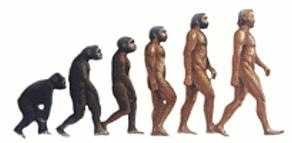
You all probably know by now, I am a Chef and Nutrition Coach. I teach my clients to eat a Traditional Human Diet. The one we have been eating for thousands of years; healthy fat, meat, vegetables with small amounts of fruit. Nothing out of cans and bottles, nothing frozen, in short, real food. Not “products”. The following article is from the Weston Price Foundation;
Characteristics of Traditional Diets
- The diets of healthy primitive and non-industrialized peoples contain no refined or denatured foods such as refined sugar or corn syrup; white flour; canned foods; pasteurized, homogenized, skim or low-fat milk; refined or hydrogenated vegetable oils; protein powders; artificial vitamins or toxic additives and colorings.
- All traditional cultures consume some sort of animal protein and fat from fish and other seafood; water and land fowl; land animals; eggs; raw milk and milk products; reptiles; and insects.
- Primitive diets contain at least four times the calcium and other minerals and TEN times the fat soluble vitamins from animal fats (vitamin A, vitamin D and the Price Factor–now believed to be vitamin K2) as the average American diet.
- In all traditional cultures, some animal products are eaten raw.
- Primitive and traditional diets have a high food-enzyme content from raw dairy products, raw meat and fish; raw honey; tropical fruits; cold-pressed oils; wine and unpasteurized beer; and naturally preserved, lacto-fermented vegetables, fruits, beverages, meats and condiments.
- Seeds, grains and nuts are soaked, sprouted, fermented or naturally leavened in order to neutralize naturally occurring anti-nutrients in these foods, such as phytic acid, enzyme inhibitors, tannins and complex carbohydrates.
- Total fat content of traditional diets varies from 30% to 80% but only about 4% of calories come from polyunsaturated oils naturally occurring in grains, pulses, nuts, fish, animal fats and vegetables. The balance of fat calories is in the form of saturated and monounsaturated fatty acids.
- Traditional diets contain nearly equal amounts of omega-6 and omega-3 essential fatty acids.
- All primitive diets contain some salt.
- Traditional cultures consume animal bones, usually in the form of gelatin-rich bone broths.
- Traditional cultures make provisions for the health of future generations by providing special nutrient-rich foods for parents-to-be, pregnant women and growing children; by proper spacing of children; and by teaching the principles of right diet to the young.
This way of eating is also environment-friendly. I buy no food in boxes, I take bags for my produce, have very little to throw away. Almost nothing I buy has a label; real food, like a mango, needs to packaging, you can tell what is is by looking at it!
5 kids (age 18- 37) with no cavities, no doctor bills for me or them except for ankle surgery to repair tendons I tore on a trampoline 5 years ago. A few broken bones here and there. I got well at 36 years old after studying nutrition for 20 years.
Americans are fat deficient, low fat is dangerous, we are seeing immune disorders, allergies, depression increasing at an insane rate. We need saturated fats from organic sources, grass-fed meat, raw butter, coconut oil in our day to day diet. 40% of our calories should come from fat, 30% from protein and 30 from carbs (vegetables and fruit only).
My book, Optimum Nutrition, and my my cookbook are a guide to getting well and achieving perfect health through nourishing ourselves. The cookbook has 780 gluten, lactose and soy free recipes, a 62 day meal plan with shopping lists. It is in software form. Please check them out here.
Find me on Facebook
Posted: June 5, 2009 Filed under: Food and it's Impact on Our Health Leave a commentMillie Barnes’s Profile | Create Your Badge 
Unilever takes a bite out of your face cream
Posted: June 5, 2009 Filed under: Skin Care Leave a commentFrom EWG

If you follow our work on cosmetics, you know that companies have free reign over what they put in your products. FDA can’t require companies to test products for safety before (or after) they’re sold, and unlike for food additives and drugs, FDA doesn’t review or approve cosmetics before you buy them. Companies are the deciders when it comes to what’s safe enough to sell.
Cosmetic companies may not have to test, but they do have to list ingredients on product labels, and on at least 126 products you’ll find the ingredient “squalene” listed in tiny print. It’s an oil used to soften skin and hair.
Turns out that squalene can either be squeezed out of the livers of deep-sea sharks, or made naturally from rice or wheat. Seems an obvious choice for cosmetic formulators. But guess what Unilever picked.
Thanks to pressure from our friends at Oceana, Unilever announced this week that it would switch from sharks to plants to make the squalene it adds to Pond’s, Dove, and other Unilever brands. This is great news and an important action, given that shark populations are plummeting worldwide from overfishing.
But what remains disturbing is the fact that, either way, Unilever’s choices are in full compliance with federal cosmetic standards, which allow companies to use ingredients synthesized from, well, anything really — including animal species collapsing globally in numbers, or petroleum products, or mining industry products –with no requirement that health or the environment be considered.
Our research shows that companies even use ingredients that are known human carcinogens (like coal tar) and chemicals that can harm brain development (like mercury). Not to mention the nearly 90% of cosmetic ingredients that have never been assessed for health or environmental impacts, by the cosmetic industry’s safety panel, the FDA, or any other publicly accountable institution.
Unilever’s action, spurred by public pressure, is taking a big bite out of your face cream. But it’s a nibble when you consider the more than 7,000 other cosmetic ingredients in face cream, sunscreen, deodorant, toothpaste, baby products, and more that still need the same kind of scrutiny.


 Meal Delivery Service by Millie Barnes
