Back to the Basics: Bison, Grass, and Healthy Soil
Posted: July 14, 2009 Filed under: Food and it's Impact on Our Health Leave a comment From TreeHugger;
When the first plows turned the rich soils of the Midwest grasslands, some soils were 20% carbon. Now, after years of chemical farming and cultivation, many soils are 5% carbon or even less-some as low as 1%. As a result, that “lost” carbon now lives in our atmosphere as carbon dioxide (CO2). Furthermore, the loss of soil carbon can deplete the soil’s ability to manage water.
Prior to our cultivation of the Midwest, ruminants played an important role in healthy soil ecology. These former grasslands were historically populated by the American bison, which numbered at about 60 million. In contrast, there are about 96 million beef and dairy cattle in the US alone. As a ruminant, the bison grazed the plains for thousands of years. Moving in expansive herds, the bison ate the grasses down as they traveled in search of greener pastures. While migrating to new grazing areas, each ruminant would leave natural fertilizer: animal waste and plant litter. This natural process helped to build the rich and fertile soils of the Midwest.
Grass Grazers: More Than Your Average Hamburger
Similarly, well-managed cattle can greatly enhance the growth and propagation of grasses. These grasses can sequester huge amounts of carbon annually, especially when grazing practices include high density, short-term exposure efforts with the cattle eating the grasses down and moving on to let the grasses grow back. This sustainable grazing technique causes some root shedding below the soil line, leaving lots of organic matter, and thus, carbon. On just one acre of biologically healthy grassland soil, there can be between 0.5 – 1.5 tons of carbon deposited in the soil annually. This is equivalent to taking up to 5.5 tons of CO2 out of the atmosphere and sinking it into an acre of soil.
While this impressive level of carbon sequestration is impossible in the high desert of New Mexico with little rainfall, it is absolutely viable in Florida, the East and Midwest, as well as the North West where there is rain or available water to grow pasture. With proper management, ruminants can once again contribute to the life and water cycle supporting ecology of our biological system, where cattle may be absolutely critical to the health of our soils. This amazing ecological interaction on 11 billion global acres of grazed land would equate to sequestering 60% of human-caused CO2.
Furthermore, let’s not throw stones at cattle as methane culprits, when we have larger human-caused methane problems–namely from fossil fuel use and landfills. Our unrestrained use of coal, natural gas, oil, and petroleum products combined with our over-consumption of just-plain-stuff that ends up in landfills produces over three times the methane emissions as ruminants in this country. Cattle must be saying, “Stop pointing fingers! You single-stomached humans are contributing more methane emissions than our digestive systems could ever hope to!"
Well-managed beef and dairy cattle living on pasture are not only an asset to us all, but also to a bio-diverse earth.
More on Sustainable Grazing Techniques:
Ranching for Profit
Carbon Farmers of America
Holistic Management International
Managing Wholes
Rodale Institute Organic Transition Course-Livestock
Visualization of US consumer spending
Posted: July 13, 2009 Filed under: Food and it's Impact on Our Health Leave a commentPosted by Cory Doctorow, July 11, 2009 6:00 AM | permalink

Here’s a nice dataviz of US consumer spending as of April 2009. How depressing is that minuscule slice labeled "reading"? .02% of our income on READING??? We spend 3 times that amount on alcohol!!! And I bet a lot of that entertainment cost is that plug-in drug; TV, Cable and movies, video games…..…anesthesia for the masses…
How The Average U.S. Consumer Spends Their Paycheck (via Sociological Images)
I found it interesting that Americans only spend 12.4% of thier income on food, but spend 5.7% on Healthcare.
America- WAKE UP! If you buy high quality food (healthy organic fats and proteins, fruits and veggies) then you will not have to spend hardly anything on healthcare! I go years at a time not having ANY cost for healthcare whatsoever! Health care is, ideally, for when you have true emergencies, a broken leg, for instance.
Your doctor practices “medicine”. You need to practice health care- eating right, exercising, yoga, dancing, being happy…… THAT is real insurance!
Getting Adequate Vitamin D
Posted: July 12, 2009 Filed under: Food and it's Impact on Our Health Leave a comment A reader sent me a comment saying that I should look into supplementation for this valuable nutrient.
It is better to get it from grass fed meat, free range chickens and eggs, daily sunlight exposure. There are vital bodily processes that depend on sunlight; your hormone production, your libido, it can greatly impact depression,
Let’s look at what Weston Price has to say.
The assimilation and utilization of vitamin D is influenced by the kinds of fats we consume. Increasing levels of both polyunsaturated and monounsaturated fatty acids in the diet decrease the binding of vitamin D to D-binding proteins. Saturated fats, the kind found in butter, tallow and coconut oil, do not have this effect. Nor do the omega-3 fats. D-binding proteins are key to local and peripheral actions of vitamin D. This is an important consideration as Americans have dramatically increased their intake of polyunsaturated oils (from commercial vegetable oils) and monounsaturated oils (from olive oil and canola oil) and decreased their intake of saturated fats over the past 100 years.
In traditional diets, saturated fats supplied varying amounts of vitamin D. Thus, both reduction of saturated fats and increase of polyunsaturated and monounsaturated fats contribute to the current widespread D deficiency.
Trans fatty acids, found in margarine and shortenings used in most commercial baked goods, should always be avoided. There is evidence that these fats can interfere with the enzyme systems the body uses to convert vitamin D in the liver.80
Vitamin D Therapy
In my clinical practice, I test for vitamin-D status first. If D is needed, I try to combine sunlight exposure with vitamin D and mineral supplements.
Single, infrequent, intense, skin exposure to UV-B light not only causes sunburn but also suppresses the immune system. On the other hand, frequent low-level exposure normalizes immune function, enhancing NK-cell and T-cell production, reducing abnormal inflammatory responses typical of autoimmune disorders, and reducing occurrences of infectious disease.26;67;68-71 Thus it is important to sunbathe frequently for short periods of time, when UV-B is present, rather than spend long hours in the sun at infrequent intervals. Adequate UV-B exposure and vitamin-D production can be achieved in less time than it takes to cause any redness in the skin. It is never necessary to burn or tan to obtain sufficient vitamin D.
If sunlight is not available in your area because of latitude or season, sunlamps made by Sperti can be used to provide a natural balance of UV-B and UV-A. Used according to instructions, these lamps provide a safe equivalent of sunlight and will not cause burning or even heavy tanning. Tanning beds, on the other hand, are not acceptable as a means of getting your daily dose of vitamin D because they provide high levels of UV-A and very little UV-B.
Me taking a pic of cucumbers.
Posted: July 11, 2009 Filed under: Gardening Leave a comment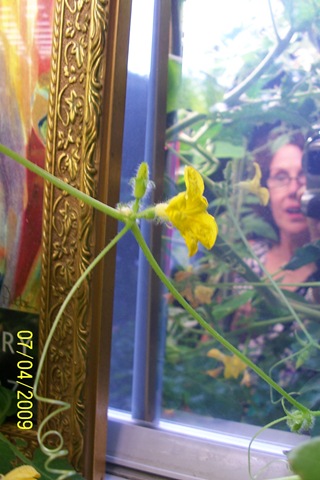
I’ll do a garden update this afternoon, too much rain yesterday!
you should eat eggs, every day even!!
Posted: July 9, 2009 Filed under: Food and it's Impact on Our Health, In The Kitchen with Millie- How To's 3 CommentsI hear all the time, “I only eat eggs once a week or so”, or, “I eat only the egg whites”.
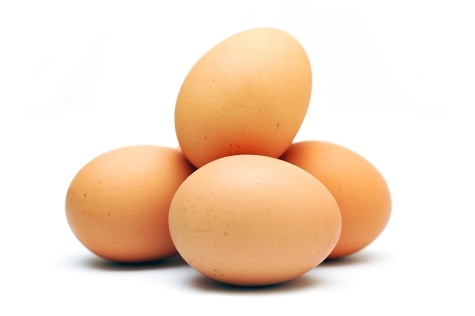 People are scared of eggs.
Let’s take a look at the health benefits of free range, organically grown chicken eggs.
We have been brainwashed about the dangers of this fabulous food. The whole cholesterol scare turned out to be false, high cholesterol does not lead to heart disease. We now know that there is a difference between HDL (high density lipoprotein) and LDL (low density lipoprotein). HDL is known as the "good cholesterol" because it protects against heart attacks, while LDL is known as "bad cholesterol" because it creates plaque that can clog arteries, contributing to heart attack and stroke.
Further research is showing that there are different types of LDL cholesterol, not all of which are responsible for clogging arteries. This makes a difference in determining what foods to avoid.
Studies show that eating eggs does raise LDL cholesterol, but NOT the type responsible for heart disease.
Man has always eaten the eggs of all animals that produced them: chicken, duck, goose, turtles. Called caviar and roe the eggs from fish are very special foods. Eggs are a wonderful source of nutrition and can greatly strengthen your health. A great source of protein, Vitamins A and D and Folic acid. and the adrenal-building minerals: choline, sodium and potassium. Eggs are a rich source of phosphorus and also sulfur.
 Improve heart health. Choline converts homocysteine into harmless material. Homocysteine is the substance that can damage your blood vessels and is a precursor to heart disease. Eggs can also decrease your risk for heart attacks and stroke thanks to the anti-clotting agent found in yolks.
Enhance your vision. The lutein found in eggs can help prevent macular degeneration.
Nourish expecting mothers and their babies. Egg yolks contain high levels of biotin, a B vitamin that can prevent birth defects. Egg yolks should be a baby’s first animal food and can be introduced around six months.
Aid in fat assimilation. Eggs yolks contain lecithin. In fact, lecithin is the precursor to choline, which helps lower serum cholesterol.
Guidelines for choosing eggs:
- Organic. Organic chickens eat feed and grains that were not grown with pesticides. The animals are not given hormones or antibiotics, but "organic" on the label does not tell us if the chickens were able to exercise, nor does it tell us what they were fed.
 Free range vs. Cage free.
- Free-range chickens usually have a covered shelter and access to an outside scratch yard. They are pasture-fed and can get worms and bugs, which is the ideal feed for health and strong immunity.
- Cage free chickens do not live in cages but typically live inside a hen house without access to the outdoors.
- Vegetarian eggs are not necessarily good for you. Chickens need protein to develop properly (that’s why bugs are a part of their natural diet) so chickens that are vegetarian may be fed genetically modified soy and other unhealthy grains.
- Conventional eggs. These eggs come from chickens fed conventional food, which includes GM (genetically modified) grains, GM soy and pesticides.
-
- The toxins from pesticides and herbicides are stored in the fat of these chickens and their tightly packed living conditions make exercise difficult. It’s no surprise that these chickens are unhealthy and can harbor diseases like salmonella.
- Antibiotics are often needed to rid conventional chickens of diseases.
- Conventional eggs have abnormally high levels of omega-6 fatty acids. High levels of omega-6 fatty acids increase your risk for cancer, obesity and heart disease.
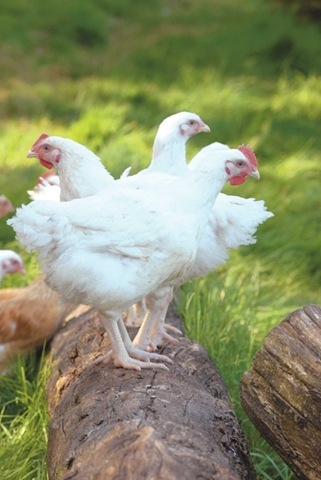
Putting it all together: Look for organic, free-range (or pasture-fed) eggs for the most health benefits.
I recommend cooking your eggs "softly." You never want to overcook proteins or they become difficult to digest. Eat the whole egg, not just the white, that is where all the nutrition is that is so good for you.
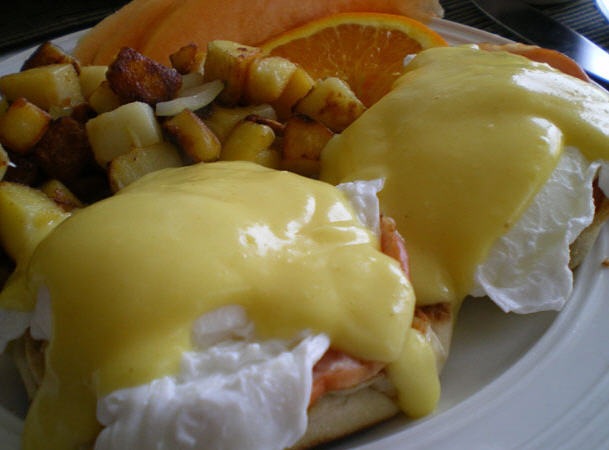
Dairy, Pork and Gluten Free Eggs Benedict;
Sauce for Eggs;
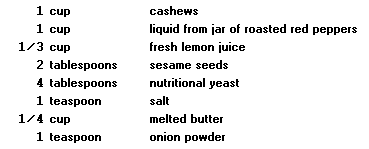

Blend cashews to a fine powder in blender, scraping down bowl and under blades a few times. Then add water and blend well. Blend remainder of ingredients until smooth. Heat gently when ready to serve over eggs.
I use Ezekiel bread instead of English muffins, but Kinnikinnick makes them gluten-free, but I do not care for them. I don’t like foods that “seem kinda like the real thing”. If I can’t make it perfect in taste and texture, I’m not going to make it! I do, however, ADORE thier rice bagels, and think that they are better than “the real thing”. Topped with real butter, s schmear of fresh mayonnaise, smoked salmon, a slice of tomato, a few slices of paper thin onions…and my mouth is happy!!!!
Anyway, back to the eggs benedict…poach the eggs until just the whites are set, the yellow still runny, as the bread is toasting. Heat or brown the Turkey Canadian bacon.
Butter the bread, lay the Canadian bacon on the bread, slide on the egg, top with warmed sauce…. My favorite Sunday Brunch food with lots of fruit.
I have been looking for a source of Organic Turkey Canadian Bacon, but so far have only found Oscar Meyer, Please let me know if you know where to get it!!
Enjoy those eggs each morning!
My coffee journey
Posted: July 9, 2009 Filed under: Food and it's Impact on Our Health Leave a comment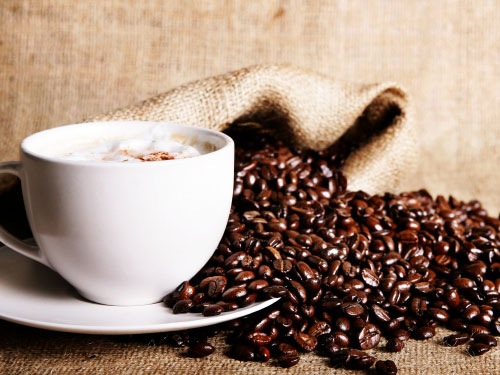 In 1993 I went to work as an Executive Chef at Juice ‘n Java, a coffee house on San Jose Blvd. near Lakewood. My job was to design and install a full service kitchen, and make the place a full service restaurant with formal service at night, and nice upscale lunches. I had a blast doing so but what fascinated me most was the coffee grinding and espresso making going on. At that time I had quit drinking coffee as I had had 3 children who had all breastfed and I had never gone back to drinking it after that. So I started learning about coffee, but didn’t go back to drinking it.
A few years later, while living in Ponte Vedra, I went to Venezuela to sail with a friend, and there is where I went back to drinking coffee. I fell in love with their coffee, the people, the little cafes we ate in and sipped Cuban style coffee. Back home in Ponte Vedra, there was a great little coffee house I began frequenting to buy freshly roasted beans. As I got to know the owner I expressed to him that I really wanted to explore, and discover, what kinds of coffee I really liked. He was very obliging, took me under his wing, and helped me learn. I discovered I loved Sumatran, Ethiopian, some south American coffees, Puerto Rican, Jamaican and Hawaiian.
But I did not know much about roasting, or making coffee. I had an electric coffee maker, but was dissatisfied with the watery coffee it made. I tried making it stronger; better… but not great. I looked into espresso machines. Ha! The price was ridiculous. I bought a French Press. I liked the coffee better than from the auto coffee maker, but I didn’t like the grounds in it, or having to filter it, or the fact that it cooled too fast in the glass carafe while steeping.
Then I discovered Sweet Maria’s, CoffeeGeek and The Coffee Review…and other coffee sites. I hit Chamblin’s Book Mine and found some books on the history of coffee. I immersed myself in studying, and applying all I had learned.
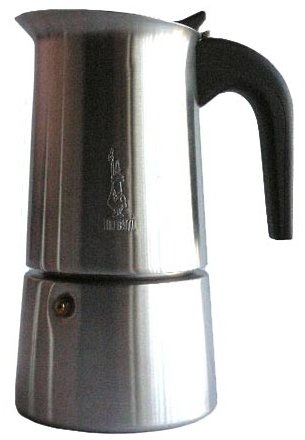 I got a Moka Pot, a nice thick espresso cup, some already ground espresso blend coffee and learned to make stove top espresso. I LOVED it! Then I bought some organic Ethiopian coffee, ground it in the store, and rushed home to make espresso…mmmm..heaven. It was perfect for that afternoon pick-up when I came home from work occasionally. Bit it wasn’t what I wanted to wake up to each day…I love to wake up to coffee, sip on it and read the NYTimes and catch up on email. Or wander to the back yard and watch the sun come up…
I learned to make Cuban coffee. Loved it.
 I learned to make Turkish coffee…AHA!!! I had found the perfect cup of coffee!! I ordered an Ibrik from Sweet Maria’s, along with some green coffee beans. I learned to roast them in my hot air popcorn popper. Hmmm, then I had to take them to the store to grind them (thanks Publix!). What a pain.
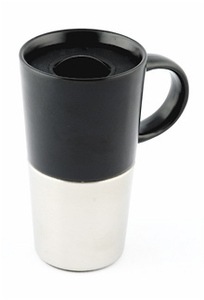
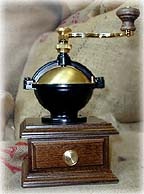
So I ordered a coffee grinder;  It is a Zazzenhuas grinder from Sweet Maria’s. I get up, grind beans (no electricity, and boy does it wake you up!!), make Turkish coffee, pour it into my double wall stainless steel cup (I am way picky about it being hot while I am drinking it) and enjoy heaven in a cup. I make another cup when I head out the door to work around 9;30 or so…..and put it in my no plastic travel mug from HighWave;
How to make Turkish coffee;
Turkish Coffee
Start with an Ibrik (Turkish coffee pot), some freshly ground espresso coffee.
Procedure:
Using a whisk, mix 9 ounces room temperature water with 2 Tablespoons sugar, 4 Tablespoons coffee, and spices (cardamom in traditional in Turkish coffee but cinnamon or chocolate is also awesome), stirred into the Ibrik. Then place on medium high heat. When foaming starts at the edges of the ibrik, slowly begin reducing the heat. The goal is to keep the coffee foaming, but not to let it rise more than a quarter of its volume. If you turn the gas down too quickly and the foaming stops, just turn it back up. The goal is to foam for 3 additional minutes (5 minutes total time). At 6 minutes total the coffee tastes over extracted, and at 4 it can be thin. The temperature at the end of 5 minutes should be around 167 F.
Swirl the ibrik gently to help the grounds caught in the foam subside. Traditionally the coffee is pored very slowly into the cups to keep the grounds out as much as possible. I personally do not like them in my coffee, so I use a Porcelain coffee cone with a hemp filter in it to strain the coffee through. (available at Sweet Maria’s)
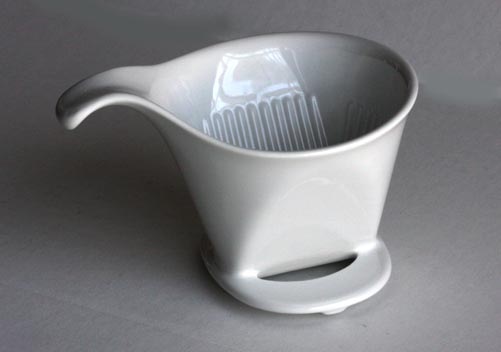 You might have guessed by now that I am an extreme environmentalist, I do not use paper filters because I cannot stand to waste the paper. I rinse my coffee filter in a small bowl of water, pour that with the grounds in it into the compost bucket, then rinse the filter and put it in a cup of water which I keep in the fridge. It keeps it from going sour and I do not have to use soap on it which would get the taste into the coffee. Once a week or so I clean it in Oxyclean.
Sugar amount:
0-4% of water mass. I find using half the mass of coffee is just about the maximum to balance the bitterness and really let the acidity shine.
Grinding:
I like the Zassenhaus Turkish mill. Mine is set 3/4 of a turn past French press–the burrs brush lightly when there is no grist.
Better picture of Model 169 DG Closed Hopper Walnut Zassenhaus grinder, available from Sweet Maria’s.
Coffee and Health: Health Benefits of Coffee
Posted: July 9, 2009 Filed under: Food and it's Impact on Our Health 1 CommentFrom Coffee Review;
 Coffee has been a medical whipping boy for so long that it may come as a surprise that recent research suggests that drinking moderate amounts of coffee (two to four cups per day) provides a wide range of health benefits. Most of these benefits have been identified through statistical studies that track a large group of subjects over the course of years and match incidence of various diseases with individual habits, like drinking coffee, meanwhile controlling for other variables that may influence that relationship. According to a spate of such recent studies moderate coffee drinking may lower the risk of colon cancer by about 25%, gallstones by 45%, cirrhosis of the liver by 80%, and Parkinson’s disease by 50% to as much as 80%. Other benefits include 25% reduction in onset of attacks among asthma sufferers and, at least among a large group of female nurses tracked over many years, fewer suicides.
In addition, some studies have indicated that coffee contains four times the amount of cancer-fighting anti-oxidants as green tea.
Of course, most of these studies do not take into account how the coffee is brewed, how fresh the beans, and so on. Perhaps as these studies are refined we may discover, for example, that drinking coffee that has been freshly roasted and brewed is more beneficial than downing coffee that is terminally stale or badly brewed. Certainly there is considerably more going on chemically in fresh coffee than in stale. And we may learn how much beneficial effects of coffee drinking are provoked by caffeine and how much by other, less understood, chemical components of coffee. But one thing is certain, if I were a nurse taking part in the study noted earlier, and if I were drinking cheap office service coffee, I would be much, much more prone to suicide than if I were drinking, say, a freshly roasted, ground and brewed Ethiopia Yirgacheffe.
Cut the Risk of Cancer with Sunshine?
Posted: July 9, 2009 Filed under: Skin Care 1 Comment
One specific treatment for cancer brought to the “research forefront” is sunshine. According to a study, men with higher levels of vitamin D (typically obtained through sunshine exposure AND grass-fed meat, eggs and butter, which are your best source for Vitamin D) in their blood were half as likely to develop aggressive forms of prostate cancer than those with lower amounts.
Experiments also suggested vitamin D inhibits cell growth. Yet despite sunshine’s apparent health benefits, doctors are not entirely comfortable with prescribing the “sunshine vitamin,” though many see little harm in getting the 15 minutes of exposure time a day the body needs to make enough of this vital nutrient. (It is recommended people get a daily vitamin D amount of 400 international units.) Doctors warn, however, that there must be a “happy medium” to receiving vitamin D: Too little won’t do any good, while an overload can cause critical health problems such as skin cancer.
Sunscreen Found to Generate Harmful Compounds that Promote Skin Cancer
A team of researchers from the University of California has found that sunscreen can do more harm than good once it soaks into the skin, where it actually promotes the harmful compounds it is meant to protect against.
The research team found that three commonly used ultraviolet (UV) filters — octylmethoxycinnamate, benzophenone 3 and octocrylene — eventually soak into the deeper layers of the skin after their application, leaving the top skin layers vulnerable to sun damage. UV rays absorbed by the skin can generate harmful compounds called reactive oxygen species (ROS), which can cause skin cancer and premature aging. The researchers found that once the filters in sunscreen soak into the lower layers of skin, the filters react with UV light to create more damaging ROS.
The Cal team’s research is the first to indicate that sunscreen filters — intended to protect the skin from the very UV damage they apparently promote — have reacted in such a way.
The researchers found that the filters only become damaging when they are soaked into the skin and another layer of sunscreen is not applied.
"This research confirms what the natural health community has been saying for years: That sunscreens are harmful to your health," said Mike Adams, a consumer health advocate. "The best sunscreen is actually achieved with a diet high in antioxidants," he explained. "When you eat berries, superfoods and fresh produce on a regular basis, these natural antioxidants are utilized by your skin to protect you from excessive ultraviolet ray exposure. Sunburns are caused more by poor nutrition than by UV ray exposure."
Helping each other through hard times
Posted: July 8, 2009 Filed under: Food and it's Impact on Our Health Leave a comment Boing Boing had a great article on Socialstructing today. I call it bartering, it’s how I got by as a single mom; I bartered for 2 years of diaper service, years of haircuts, massages, baby sitting…. It’s what used to come easy when we had extended families close by… The recession we are in is making people rethink how to help each other through this..
So give some thought to what you have to offer, what others need. I for one am putting this out there… I am a Nutrition and Life Couch and Chef, a seamstress, avid gardener. If you have skills we could trade for, give a shout!! I also have a wonderful yard, so if you don’t have space to garden, come over and grab a space and tend to it!
Here’s a link to the article…Socialstructing: Bringing Social Back into Our Economy and Organizations
Foods you should be eating for great health!
Posted: July 7, 2009 Filed under: Food and it's Impact on Our Health Leave a commentThe following is a "healthy food hot list" consisting of some of the food that will give you the biggest nutritional bang for you caloric buck, as well as decrease your risk for deadly illnesses like cancer, diabetes and heart disease. Of course, there are no miracle foods, you need 2000 calories a day from whole food (healthy fats, proteins, vegetables and fruit) to reach optimum health.
Proteins, Fats and Oils
Grass-fed Beef- Compared with feedlot meat, meat from grass-fed beef, bison, lamb and goats has less total fat, saturated fat, cholesterol, and calories. It also has more vitamin E, beta-carotene, vitamin C, and a number of health-promoting fats, including omega-3 fatty acids and “conjugated linoleic acid,” or CLA. Grass fed beef, broths and stocks give us the healthy saturated fats we need for brain function, digestion and hormone production.
Organic Eggs from free range chickens- same reasons as above for beef.
Lentils – Contains Isoflavones, which may inhibit estrogen-promoted breast cancers, plus fiber for heart health and an impressive 9 grams of protein per half cup. A half-cup (cooked) has 115 calories, 0 fat and 8 grams of fiber. Isoflavones hold up through processing, so buy lentils canned, dried or already in soup. Take them to work, and you will have a protein packed lunch.
Organic Butter and Coconut oil-
As many of you already know, I am a strong proponent of including a variety of healthy oils and fats into your diet. Together they work as a team to supply your body with essential fatty acids for longevity, hormone balance, heart health, sharp vision, glowing moist skin and energy. The wonderful variety of oils and fats certainly includes organic, preferably raw butter. Cultured raw butter is even better. You can buy it here- Organic Pastures
And why would I be so insistent that you eat butter and coconut oil? Take a look at the long list of the benefits you receive when you include it in your diet:
- Butter is rich in the most easily absorbable form of Vitamin A necessary for thyroid and adrenal health.
- Contains lauric acid, important for an healthy immune system.
- Contains lecithin, essential for cholesterol metabolism.
- Contains anti-oxidants that protect against free radical damage.
- Has anti-oxidants that protect against weakening arteries.
- Is a great source of Vitamins E and K.
- Is a very rich source of the vital mineral selenium.
- Saturated fats in butter have strong anti-tumor and anti-cancer properties.
- Butter contains conjugated linoleic acid, which is a potent anti-cancer agent, muscle builder, and immunity booster
- Vitamin D found in butter is essential to absorption of calcium.
- Protects against tooth decay.
- Is your only source of an anti-stiffness factor, which protects against calcification of the joints.
- Anti-stiffness factor in butter also prevents hardening of the arteries, cataracts, and calcification of the pineal gland.
- Is a source of Activator X, which helps your body absorb minerals.
- Is a source of iodine in highly absorbable form.
- Is a source of quick energy, and is not stored in our bodies adipose tissue.
- Cholesterol found in butterfat is essential to children’s brain and nervous system development.
- Contains Arachidonic Acid (AA) which plays a role in brain function and is a vital component of cell membranes.
- Protects against gastrointestinal infections in the very young or the elderly.
Seafood
Salmon and Tuna- Cold-water fish like salmon, mackerel and tuna are the best sources of omega-3 fatty acids, which help reduce the risk of cardiac disease. A 3-ounce portion (cooked) has 127 calories, 4 grams of fat, 0 fiber. Brush fillets with ginger-butter and grill or broil until fish flakes easily with a fork. (eat seafood only one time per week as there is no more non-polluted fish).
Fruits-
Apricots- contains Beta-carotene, which helps prevent free-radical damage and protect the eyes. The body also turns beta-carotene into vitamin A, which may help ward off some cancers, especially of the skin. One apricot has 17 calories, 0 fat, 1 gram of fiber. Snacks on them dried, or if you prefer fresh, buy when still firm; once they soften, they lose nutrients.
Avocados- Contains Oleic acid, an unsaturated fat that helps lower overall cholesterol and raise levels of HDL, plus a good dose of fiber. One slice has 81 calories, 8 grams of fat and 3 grams of fiber. Try a few slices instead of mayonnaise to dress up your next burger.
Raspberries- Contains Ellagic acid, which helps stall cancer-cell growth. These berries are also packed with vitamin C and are high in fiber, which helps prevent high cholesterol and heart disease. A cup has only 60 calories, 1 gram of fat and 8 grams of fiber. Top plain low-fat yogurt or oatmeal (another high fiber food) with fresh berries.
Cantaloupe- Contains Vitamin C (117mg in half a melon, almost twice the recommended daily dose) and beta-carotene – both powerful antioxidants that help protect cells from free-radical damage. Plus, half a melon has 853mg of potassium – almost twice as much as a banana, which helps lower blood pressure. Half a melon has 97 calories, 1 gram of fat and 2 grams of fiber. Cut into cubes and freeze, then blend into an icy smoothie.
Tomato- Contains Lycopene, one of the strongest carotenoids, acts as an antioxidant. Research shows that tomatoes may cut the risk of bladder, stomach and colon cancers in half if eaten daily. A tomato has 26 calories, 0 fat and 1 gram of fiber. Drizzle fresh slices with olive oil, because lycopene is best absorbed when eaten with a little fat.
Raisins- These little gems are a great source of iron, which helps the blood transport oxygen and which many women are short on. A half-cup has 218 calories, 0 fat and 3 grams of fiber.
Figs- A good source of potassium and fiber, figs also contain vitamin B6, which is responsible for producing mood-boosting serotonin, lowering cholesterol and preventing water retention. The Pill depletes B6, so if you use this method of birth control, make sure to get extra B6 in your diet. One fig has 37 to 48 calories, 0 fat and 2 grams of fiber. (Cookie lovers – fig bars have around 56 calories, 1 gram of fat and 1 gram of fiber per cookie). Fresh figs are delicious simmered alongside a pork tenderloin and the dried variety make a great portable gym snack.
Lemons/Limes- Contains Limonene, furocoumarins and vitamin C, all of which help prevent cancer. A wedge has 2 calories, 0 fat and 0 fiber. Buy a few of each and squeeze over salads, fish, beans and vegetables for flavor.
Vegetables
Onions- Contains Quercetin is one of the most powerful flavonoids (natural plant antioxidants). Studies show it helps protect against cancer. A cup (chopped) has 61 calories, 0 fat and 3 grams of fiber. Chop onions for the maximum phytonutrient boost, or if you hate to cry, roast them with a little olive oil and serve with rice or other vegetables. Quercetin is also available as a supplement, it is a very powerful anti-inflammatory and is very effective in pain relief, I have found it to work as well or better than Tylenol.
Artichokes- These odd-looking vegetables contain silymarin, an antioxidant that helps prevent skin cancer, plus fiber to help control cholesterol. One medium artichoke has 60 calories, 0 fat and 7 grams of fiber. Steam over boiling water for 30 to 40 minutes. Squeeze lemon juice into some organic butter, then pluck the leaves off with your fingers, dip in lemon-butter and use your teeth to scrape off the rich-tasting skin. When you get to the heart, you have found the best part!
Ginger – Gingerols may help reduce queasiness; other compounds may help ward off migraines and arthritis pain by blocking inflammation-causing prostaglandins. A teaspoon of fresh gingerroot has only 1 calorie, 0 fat and 0 fiber. Peel the tough brown skin and slice or grate into a stir-fry.
Broccoli – Contains Indole-3-carbinol and sulforaphane, which help protect against breast cancer. Broccoli also has lots of vitamin C and beta-carotene. One cup (chopped) has 25 calories, 0 fat and 3 grams of fiber. Don’t overcook broccoli – instead steam lightly (4 minutes only!!) to preserve phytonutrients. Squeeze fresh lemon and organic butter for zest and taste, added nutrients and some vitamin C.
Spinach- Contains Lutein and zeaxanthin, carotenoids that help fend off macular degeneration, a major cause of blindness in older people. Plus, studies show this green fountain of youth may help reverse some signs of aging. One cup has 7 calories, 0 fat and 1 gram of fiber. Add raw leaves to a salad or sauté with a little olive oil and garlic.
Bok Choy and Chinese cabbage – Contains Brassinin, which some research suggests may help prevent breast tumors, plus indoles and isothiocyanates, which lower levels of estrogen, make this vegetable a double-barreled weapon against breast cancer. A cup will also give you 158mg of calcium (16 percent of your daily recommended requirement) to help beat osteoporosis. A cup (cooked) has 20 calories, 0 fat and 3 grams of fiber. Find it in your grocer’s produce section or an Asian market. Slice the greens and juicy white stalks, then saute like spinach or toss into a stir-fry just before serving.
Squash (Butternut, Pumpkin, Acorn) – Winter squash has huge amounts of vitamin C and beta-carotene, which may help protect against endometrial cancer. One cup (cooked) has 80 calories, 1 gram of fat and 6 grams of fiber. Cut on in half, scoop out the seeds and bake until soft, top with organic butter then dust with cinnamon.
Watercress and Arugula - Phenethyl isothiocyanate, which, along with beta-carotene and vitamins C and E, may help keep cancer cells at bay. One cup has around 4 calories, 0 fat and 1 gram of fiber. Do not cook these leafy greens; instead, use them to garnish a sandwich or add a pungent, peppery taste to salad.
Garlic – The sulfur compounds that give garlic its pungent flavor can also lower LDL ("bad") cholesterol, lower blood pressure and even reduce your risk of stomach and colon cancer. A clove has 4 calories, 0 fat and 0 fiber.
Sweet Potatoes- This root vegetable qualifies as an excellent source of vitamin A (in the form of beta-carotene), a very good source of vitamin C and manganese, and a good source of copper, dietary fiber, vitamin B6, potassium and iron. AND, they are half way down the glycemic index compared to a white potato.


 Meal Delivery Service by Millie Barnes