Wall of Succulents
Posted: August 2, 2009 Filed under: Gardening Leave a commentFrom Apartment Therapy
This is so beautiful, I want to do this!

In our eyes, and to our seemingly black thumb, there is no more beautiful plant than a succulent. Not only are they small architectural wonders of the plant world; they’re also highly sustainable because they need very little water to survive. We’ve been seeing them all over the place lately, but this stunning array took our breath away…
This mosaic of succulents was not shot from above; the arrangement is mounted on a wall. We love the incredible variation of colors and the sheer number of plants involved. Imagine something like this in a sunny dining nook, or a small, horizontal version on a coffee table?
(Image: Flickr member davitydave licensed under Creative Commons.)
Natural Remedy: 5 Plants That Repel Mosquitoes
Posted: August 1, 2009 Filed under: Gardening Leave a comment
- Catnip: what attracts cats is very effective at repelling mosquitoes. This’d be our first choice.
- Rosemary: This is one of our favorite herbs for cooking and we love the smell and the bright blue flowers. And, as we’ve mentioned before, it’s effective against mosquitoes. It may not last outside when the weather gets colder but it’s perfect for the summer when the bugs are out and the vegetables that blend perfectly with it — tomatoes, eggplants, peppers — are in.
- Marigolds: Their bright flowers will decorate your garden and add some colour. If you plant some near your vegetable plot, they also work their magic on other garden pests such as aphids as well.
- Mosquito Plants: Yup, there are actual plants called mosquito plants.
- Citronella Grass: this plant is where they get the oil that powers those smelly candles that keep the bugs away. Unfortunately, it’s also a tropical grass that grows super tall so it may not work in your average garden.
And, you can also use the leaves or flowers of these plants to make your own natural repellents! There are two methods:
- Alcohol method: Steep the crushed foliage in an alcohol (you can use vodka) and set aside for a few weeks to cure
- Oil method: Cover crushed foliage with a neutral oil like almond or safflower oil. Next morning, strain the oil, add new foliage and cover with the strained oil. Repeat for 5 days. Use the resulting oil as is or mix it with alcohol to make a spray or with lotion.
The Truth about Farm Raised Shrimp
Posted: July 31, 2009 Filed under: Food and it's Impact on Our Health 25 CommentsThe green dumpster behind Red Lobster was nearly empty when I lifted the lid. Through the effluvium of yesterday’s supper, way down, sat a couple of pretty blue boxes. I hitched myself over the rim, leaned in, and took one.
I am not a regular dumpster diver. I was driven by a hunger for knowledge. Inside the restaurant, where the décor, ambience, soundtrack—all but the smell—reeked of the sea, I asked the server who laid before me the first plate of Red Lobster’s “endless shrimp” where they came from.
“Farms,” she said.
“Where are these farms?” I asked.
“Different places.” She gave a shrug. “Do you want another beer?”
I ate only eight grilled shrimp from Red Lobster’s “endless” supply. Something was stuck in my craw. An hour before, I had been in a community hall in Brownsville, Texas, with forty-three angry, tearful American shrimpers. In a country awash in shrimp, they were going bankrupt. They had gathered to hear more bad news: severe new rules limiting what they could catch.
“What about Red Lobster?” I asked the group.
“Red Lobster!” one man shouted. “They’re our enemy. They haven’t bought a shrimp since the 1980s.”
The restaurant walls were covered with shrimp boats—striking photos of trawlers at docks, at sea, in sunset silhouettes. The Gulf of Mexico was a mile away. Yet, while I sat eating, real shrimp boats sat rusting, their outriggers raised as if surrendering.
The box from the dumpster gave me a clue: “Product of Ecuador. Farm Raised.”
A shrimp farm is a saltwater feedlot. There can be as many as 170,000 shrimp larvae in a 1-acre pond that is 1 to 2 meters deep. So-called intensive ponds can yield 6,000 to 18,000 pounds of shrimp in that acre in 3 to 6 months. (A good wheat yield is 3,600 pounds per acre.) Because of this density, the waste they swim in, and their susceptibility to disease, most farmed shrimp are treated with antibiotics, only some of them legal in the U.S. A wide array of poisons is used to kill unwanted sea life and cleanse ponds for reuse, creating what Public Citizen calls a “chemical cocktail.” In random sampling of imported shrimp, health officials in the U.S., Japan, and the European Union have found chloramphenicol, a dangerous antibiotic banned in food.
The industry acknowledges that 5 percent of the world’s mangroves, hundreds of thousands of acres, have been destroyed creating shrimp ponds. In some estuaries 80 percent of the mangroves are gone. A commons was privatized, ruining artisanal fishing and driving indigenous fishermen to work raising shrimp. By removing the thick coastal barrier of trees, shrimp farms have undoubtedly aggravated damage from hurricanes and tsunamis. And salt intrusion has sterilized once-fertile estuaries.
Even in the best-run farms, two to four pounds of sea life is caught and ground up as feed for every pound of shrimp raised. Mortality rates of 30 percent are common. The dead shrimp, shrimp excrement, and chemical additives are often flushed into coastal waters.
By the mid 1970s, farmed shrimp from South and Central America, at less than half the cost of Gulf shrimp, began arriving at Red Lobster restaurants—and everywhere else. All-you-can-eat shrimp dinners became a standard, filling both waistlines and Red Lobster’s coffers. That box of shrimp I retrieved from the dumpster cost $2.50 a pound, and sold, in my case, for $25 a pound, a markup that bettered the beer’s.
Quietly, farmed shrimp took over the market, its source hidden behind the motif of a picturesque but actually sinking shrimp fleet. By 1980, half of America’s shrimp consumption came from foreign farms. By 2001, shrimp passed canned tuna as America’s favorite seafood. Today, 90 percent of our shrimp—more than 1 billion pounds a year—come from foreign farms. Virtually any restaurant chain, from Captain D’s to Red Lobster, serves farmed shrimp. Foreign farmed shrimp was peddled for years by vendors at the National Shrimp Festival in Alabama—until they were caught—and at happy hour for the Gulf of Mexico Fishery Management Council meeting in Birmingham, Alabama, in March 2005, where government officials finalized a ten-year freeze on twenty-seven hundred shrimp boat licenses. The sight of government biologists slurping Vietnamese shrimp after reining in American shrimpers was an irony sharper than cocktail sauce. Even in New Orleans, where a handful of high-end chefs brag about their Louisiana shrimp, imported shrimp are the norm in most restaurants. A new Louisiana law requires restaurateurs to tell the truth—if asked.
TO GET A SENSE of the pink tsunami on U.S. shores, I flew to Long Beach, California, the single largest shrimp port, where among the five million containers arriving each year are several thousand filled with shrimp, 265 million pounds of it in a year.
On the day I visited, 5 ships were docking with 9 containers—412,000 pounds—of shrimp from Peru, Ecuador, Venezuela, and China. One container, a semitractor load, holds an astounding amount. Laid out in a customs warehouse, boxes holding 30,000 pounds of shrimp covered a 12-by-100-foot area chest high. Based on our average consumption, this one container held a year’s supply of shrimp for 12,000 Americans.
The container in question had been seized and opened because of suspicions that the beautiful bags of store-ready “26/30” frozen raw shrimp, labeled “farm raised in Indonesia,” may, in fact, have come from China and been relabeled in Singapore, a common cat-and-mouse game that customs officials calls “transshipment.” A bag was dispatched to a government lab in Savannah, Georgia, to try a new sniffing tool that might determine its source. Transshipping is used to evade special import taxes or restrictions, such as one imposed on Chinese shrimp and four other species in 2007 after malachite green, gentian violet, and other carcinogens were found in farmed fish.
“It’s very, very difficult to prove a transshipment issue,” said Jeff DeHaven, the deputy director of fines, penalties, and forfeitures. So great is their volume of business that importers just walk away from seized containers, he said. Moreover, U.S. customs is concerned primarily with duty issues, not food safety. “We don’t look at that much shrimp,” admitted an enforcement chief.
The Food and Drug Administration, responsible for imported food safety, samples less than 1 percent of the 1 billion pounds, a “sorry” record, according to U.S. Representative John Dingell, who in 2007 chaired food safety hearings before the House Energy and Commerce Committee. Mindful of consumer fears fanned by poisoned seafood arriving from China, the Global Aquaculture Alliance—an industry group underwritten by Wal-Mart, Red Lobster, and multinational seafood importers—has written standards that, if enforced, could produce clean, safe shrimp without damaging people or the environment. But that will take years, admitted GAA president George Chamberlain. Only 45 shrimp farms are certified by the alliance—out of more than 100,000 worldwide.
A primary concern for people who eat farmed shrimp, particularly those who consume substantial quantities over a long period of time, is the usage of a range of antibiotics to prevent and treat bacterial conditions common in shrimp farms. Chemical agents are used in aquaculture ponds as water and soil treatment compounds in order to control viral, bacterial, fungal and other pathogens; to induce plankton growth (fertilizers and minerals); and to inoculate the farmed shrimp larvae. These chemicals include the following: therapeutants (antibiotics), various algaecides and pesticides, disinfectants, detergents and other water and soil treatment chemicals. All of these are used in vast quantities by the aquaculture industry globally.
For decades, various diseases have devastated the shrimp industry throughout the producing nations by wiping out entire crops. One of the most damaging is the White Spot Syndrome Virus (WSSV), which has been the most widespread, causing high mortality rates in many shrimp species and other crustaceans. Symptoms of WSSV include white spots on the body of the shrimp as well as a steady decomposition of the body, which can occur in as little as 10 days, making the crop unmarketable and causing economic set-backs. Unregulated processing, use, and disposal of infected imported shrimp; or, the use of contaminated larvae in farming have caused the rapid spread of WSSV from its endemic regions to wild and cultured stocks of shrimp throughout the world. The WSSV can even survive freezing and consequently survives in previously-frozen farmed shrimp sold in the market. The results of an investigation of shrimp sold in supermarkets in Boston published in January 2002 provided preliminary evidence that an appreciable proportion (4.7%) of the marketed shrimp were carrying WSSV. The scientists concluded that the virus can spread to the local natural environment, which constitutes a substantial risk. As of yet, there has not been any evidence that there is a human variant of WSSV. The potential impact on public health requires further investigation.
In efforts to protect their shrimp from the effects of WSSV and other pathogens, shrimp farmers worldwide turn to the chemical and pharmaceutical industries, although it is nearly impossible to control WSSV other than by destroying the entire infected crop. There are relatively few constraints on chemical usage in aquaculture in the countries where shrimp is farmed and many antibiotics are widely available from chemical and pharmaceutical suppliers. The U.S. is comparatively strict in this respect, limiting the use of antibiotics in aquaculture to three drugs: oxytetracycline, sulfamerazine, and a drug combination containing sulfadimethozine and ormetoprim.
A host of antibiotics are widely used in aquaculture to stimulate growth and to reduce the incidence and effects of diseases caused by crowded, factory-farm conditions, not unlike the conditions found in chicken factories where antibiotics are also prevalent. The more antibiotics used, however, the more rapidly bacterial resistance develops, and this problem is reaching crisis proportions today. When such resistance develops, bacterial growth is no longer stopped by the antibiotic, and thus the antibiotic is no longer capable of treating or curing the disease. Increasingly more bacteria are becoming resistant not only to one, but many antibiotics, making it more difficult to combat bacteria that cause illnesses in humans.
The U.S. Food and Drug Administration (FDA) agrees that antibiotic resistance has become an increasing problem. “Disease-causing microbes that have become resistant to drug therapy are an increasing public health problem. Tuberculosis, gonorrhea, malaria, and childhood ear infections are just a few of the diseases that have become hard to treat with antibiotic drugs.” Not only is antibiotic resistance an increasing problem, but the resistant bacteria could potentially transfer resistance genes to other bacteria in what is termed, "horizontal gene transfer."
These bacteria can also be transferred between and among animals and people. For example, in the United States, genes resistant to the antibiotic tetracycline have been found in bacteria in soil and groundwater downstream from two Illinois swine facilities that use antibiotics as growth promoters. The finding shows the potential for spreading resistant organisms back into the food chain of animals and people.
Antibiotics are categorized according to how they act on the cells of the bacteria they target. Among the most powerful class of antibiotics that has been widely used in shrimp aquaculture are those that block protein synthesis in the cells of pathogens, such as nitrofurans, phenicols, and tetracyclines. Another widely used class of antibiotics, the quinolones, interferes with DNA replication and repair in the cells of bacteria. The tetracyclines, especially oxytetracycline, and the quinolones, including oxolinic acid and flumequine, are among the most commonly used antibiotics in shrimp farming. When disease infestations become severe, however, shrimp farmers turn to the powerful phenicols and nitrofurans. The U.S. Food and Drug Administration (FDA) banned the powerful and potentially toxic chloramphenicol (one of the phenicols) in 1989 because of the risks of the development of antibiotic-resistance in human pathogens and a link with a rare and often fatal disease, aplastic anemia. Chloramphenicol is highly toxic to humans, but the antibiotic is used to treat humans only in life-threatening situations when no other drug is effective. Europe, Japan and many other countries have also banned the antibiotic in feed, but it is still permitted for specific veterinary treatments. Nitrofurans are also dangerous because of their potential carcinogenic properties and so are likewise banned for use in food-producing animals in the EU and the US Being banned in consuming countries, however, does not mean these powerful and potentially dangerous antibiotics aren’t used in aquaculture in producing countries. Although governments of some countries where shrimp farming is booming restrict its direct application in aquaculture, it is still often applied illegally, or indirectly applied by mixing it with imported fishmeal-based shrimp feeds, which leave chemical residues in the shrimp that are exported to the U.S. for human consumption.
The farmed shrimp antibiotic issue blasted into the news in Europe and subsequently in Japan, Canada, and the U.S. when, in late 2001 and into 2002, EU food authorities detected unacceptable levels of chloramphenicol and nitrofurans in imported shrimp from China, Vietnam, Indonesia, Thailand and India. Several shrimp producers and exporters argued that the allegations were not true, that the products delivered were not produced using these drugs, or that the trace amounts were at such low levels that it was more likely picked up through environmental contamination, rather than the illicit use of drugs. Some also argued that very low levels pose no risk to consumers, contrary to the zero tolerance standards.
TODAY, IF YOU LIVE more than a hundred miles from the Gulf Coast, the shrimp you eat most likely come from a foreign farm. You can tour these farms while standing at your supermarket seafood freezer and reading labels. The top ten importing countries are Thailand, Indonesia, Ecuador, China, Vietnam, Malaysia, Mexico, India, Bangladesh, and Guyana. The wholesale value of their shrimp is $4 billion a year.
Despite that income, citizens in the developing world have protested shrimp farms—and been killed for doing so. The Blues of a Revolution, a book published in 2003 by a consortium of environmental and indigenous groups, described Honduran shrimp farms ringed by barbed wire and watchtowers and armed guards. Between 1992 and 1998, in the Bay of Fonseca near large shrimp farms, “11 fishermen have been found dead by shooting or by machete injuries . . . no one has been brought to justice.”
One story from the book I cannot shake involved Korunamoyee Sardar, a Bangladeshi woman who, on November 7, 1990, joined a protest against a new shrimp farm near Harin Khola. She was shot in the head, cut into pieces, and thrown into a Bangladesh river. A monument stands where she was murdered. It reads: “Life is struggle, struggle is life.”
Red Lobster, which buys 5 percent of the world’s shrimp, is Bangladesh’s biggest U.S. customer. The restaurant did not respond to repeated requests for an interview.
Forget Shorter Showers
Posted: July 31, 2009 Filed under: Food and it's Impact on Our Health Leave a commentWhy personal change does not equal political change
by Derrick Jensen
Published in the Orion Magazine

WOULD ANY SANE PERSON think dumpster diving would have stopped Hitler, or that composting would have ended slavery or brought about the eight-hour workday, or that chopping wood and carrying water would have gotten people out of Tsarist prisons, or that dancing naked around a fire would have helped put in place the Voting Rights Act of 1957 or the Civil Rights Act of 1964? Then why now, with all the world at stake, do so many people retreat into these entirely personal “solutions”?
Part of the problem is that we’ve been victims of a campaign of systematic misdirection. Consumer culture and the capitalist mindset have taught us to substitute acts of personal consumption (or enlightenment) for organized political resistance. An Inconvenient Truth helped raise consciousness about global warming. But did you notice that all of the solutions presented had to do with personal consumption—changing light bulbs, inflating tires, driving half as much—and had nothing to do with shifting power away from corporations, or stopping the growth economy that is destroying the planet? Even if every person in the United States did everything the movie suggested, U.S. carbon emissions would fall by only 22 percent. Scientific consensus is that emissions must be reduced by at least 75 percent worldwide.
Or let’s talk water. We so often hear that the world is running out of water. People are dying from lack of water. Rivers are dewatered from lack of water. Because of this we need to take shorter showers. See the disconnect? Because I take showers, I’m responsible for drawing down aquifers? Well, no. More than 90 percent of the water used by humans is used by agriculture and industry. The remaining 10 percent is split between municipalities and actual living breathing individual humans. Collectively, municipal golf courses use as much water as municipal human beings. People (both human people and fish people) aren’t dying because the world is running out of water. They’re dying because the water is being stolen.
Or let’s talk energy. Kirkpatrick Sale summarized it well: “For the past 15 years the story has been the same every year: individual consumption—residential, by private car, and so on—is never more than about a quarter of all consumption; the vast majority is commercial, industrial, corporate, by agribusiness and government [he forgot military]. So, even if we all took up cycling and wood stoves it would have a negligible impact on energy use, global warming and atmospheric pollution.”
Or let’s talk waste. In 2005, per-capita municipal waste production (basically everything that’s put out at the curb) in the U.S. was about 1,660 pounds. Let’s say you’re a die-hard simple-living activist, and you reduce this to zero. You recycle everything. You bring cloth bags shopping. You fix your toaster. Your toes poke out of old tennis shoes. You’re not done yet, though. Since municipal waste includes not just residential waste, but also waste from government offices and businesses, you march to those offices, waste reduction pamphlets in hand, and convince them to cut down on their waste enough to eliminate your share of it. Uh, I’ve got some bad news. Municipal waste accounts for only 3 percent of total waste production in the United States.
I want to be clear. I’m not saying we shouldn’t live simply. I live reasonably simply myself, but I don’t pretend that not buying much (or not driving much, or not having kids) is a powerful political act, or that it’s deeply revolutionary. It’s not. Personal change doesn’t equal social change.
So how, then, and especially with all the world at stake, have we come to accept these utterly insufficient responses? I think part of it is that we’re in a double bind. A double bind is where you’re given multiple options, but no matter what option you choose, you lose, and withdrawal is not an option. At this point, it should be pretty easy to recognize that every action involving the industrial economy is destructive (and we shouldn’t pretend that solar photovoltaics, for example, exempt us from this: they still require mining and transportation infrastructures at every point in the production processes; the same can be said for every other so-called green technology). So if we choose option one—if we avidly participate in the industrial economy—we may in the short term think we win because we may accumulate wealth, the marker of “success” in this culture. But we lose, because in doing so we give up our empathy, our animal humanity. And we really lose because industrial civilization is killing the planet, which means everyone loses. If we choose the “alternative” option of living more simply, thus causing less harm, but still not stopping the industrial economy from killing the planet, we may in the short term think we win because we get to feel pure, and we didn’t even have to give up all of our empathy (just enough to justify not stopping the horrors), but once again we really lose because industrial civilization is still killing the planet, which means everyone still loses. The third option, acting decisively to stop the industrial economy, is very scary for a number of reasons, including but not restricted to the fact that we’d lose some of the luxuries (like electricity) to which we’ve grown accustomed, and the fact that those in power might try to kill us if we seriously impede their ability to exploit the world—none of which alters the fact that it’s a better option than a dead planet. Any option is a better option than a dead planet.
Besides being ineffective at causing the sorts of changes necessary to stop this culture from killing the planet, there are at least four other problems with perceiving simple living as a political act (as opposed to living simply because that’s what you want to do). The first is that it’s predicated on the flawed notion that humans inevitably harm their landbase. Simple living as a political act consists solely of harm reduction, ignoring the fact that humans can help the Earth as well as harm it. We can rehabilitate streams, we can get rid of noxious invasives, we can remove dams, we can disrupt a political system tilted toward the rich as well as an extractive economic system, we can destroy the industrial economy that is destroying the real, physical world.
The second problem—and this is another big one—is that it incorrectly assigns blame to the individual (and most especially to individuals who are particularly powerless) instead of to those who actually wield power in this system and to the system itself. Kirkpatrick Sale again: “The whole individualist what-you-can-do-to-save-the-earth guilt trip is a myth. We, as individuals, are not creating the crises, and we can’t solve them.”
The third problem is that it accepts capitalism’s redefinition of us from citizens to consumers. By accepting this redefinition, we reduce our potential forms of resistance to consuming and not consuming. Citizens have a much wider range of available resistance tactics, including voting, not voting, running for office, pamphleting, boycotting, organizing, lobbying, protesting, and, when a government becomes destructive of life, liberty, and the pursuit of happiness, we have the right to alter or abolish it.
The fourth problem is that the endpoint of the logic behind simple living as a political act is suicide. If every act within an industrial economy is destructive, and if we want to stop this destruction, and if we are unwilling (or unable) to question (much less destroy) the intellectual, moral, economic, and physical infrastructures that cause every act within an industrial economy to be destructive, then we can easily come to believe that we will cause the least destruction possible if we are dead.
The good news is that there are other options. We can follow the examples of brave activists who lived through the difficult times I mentioned—Nazi Germany, Tsarist Russia, antebellum United States—who did far more than manifest a form of moral purity; they actively opposed the injustices that surrounded them. We can follow the example of those who remembered that the role of an activist is not to navigate systems of oppressive power with as much integrity as possible, but rather to confront and take down those systems.
Top 10 Eco-Friendly Reasons to Buy Organic Meat & Dairy
Posted: July 31, 2009 Filed under: Food and it's Impact on Our Health Leave a commentWhile eating less meat is not something I feel is healthy, and eating any dairy unless it is raw,this article from care2.com list every reason I can think of why organic is best, and why we need animals in our diet and on our farms.
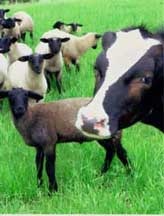
Eating fewer animal products is a good choice for the environment. When and if you choose to eat animal products you can make a significant difference for your health and the environment by taking these steps, and here’s why:
Choosing to support farms that caretake the environment and the animals they raise in an ethical manner, is a very positive way to spend your food dollar. Animal agriculture produces surprisingly large amounts of air and water pollution, and causes 80 percent of the world’s annual deforestation. It also requires large amounts of water, and livestock worldwide consumes half the world’s total grain harvest.
By supporting local, sustainable and organic farms in your local community you also support the larger community of which we are all a part. By eating animal products raised on such farms you provide the healthiest choice for your family and support the farms that support healthy and ecological neighborhoods.
1. Free of antibiotics, added hormones, GMO feed and other drugs; no GMO animals
Animals raised organically are not allowed to be fed antibiotics, the bovine human growth hormone (rbGH), or other artificial drugs. Animals are also not allowed to eat genetically modified foods. Further, animal products certified as organic can not have their genes modified (for example, a scorpion gene cannot be spliced into a cow gene).
How: The animals are raised in a healthier environment, fed organic feed, and often eat a wider range of nutrients than those raised in factory farms (such as would be the case of free-range chickens and ranch cattle). The animals are not from a test tube.
Highlights: Organically raised animals have been shown to be significantly healthier than their factory-raised counterparts.
More: Visit the Organic Trade Association Web site for updates on the U.S. federal organic standards.
2. Mad cow safeguard: Animals aren’t forced to be cannibals
The practice of feeding cattle the ground up remains of their same species appears to cause bovine spongiform encephalopathy, a horrific disease that destroys the central nervous system and brain, can be given to humans who eat the cows. The disease in humans has a very long latency period, and is called Creutzfeld-Jakob disease.
How: Animals are fed 100 percent organic feed without ground up animal parts.
Highlights: By eating 100 percent organic meat you are protected by a label insuring the cow has only been fed 100 percent organic feed.
3. More humane, ethical treatment of animals
Factory farms treat animals like commodities, and they are kept in tightly confined pens and often never move more than a few feet their whole lives.
How: Buy meat and eggs raised from chickens raised outdoors free ranging and grazing.
Highlights: Animals are more likely to be raised without cruelty.
4. Animals free-range and graze
The words “free-range,” and “ranch raised” are clues that the animals were raised in a more humane way. Their diet tends to be more well-rounded; the animals are not confined and spend time outdoors in the fresh air.
How: Free range chickens eat more grubs and bugs than their industrially-raised counterparts; free range animals graze as they are inclined.
Highlights: Humane and ethical treatment of animals; more nutritious food.
5. Manure
Small farms use it, industrial farms pollute with it.
How: On small, diverse farms, manure is used to naturally fertilize soil. Industrial farms produce so much manure, on the other hand, that it is a human health risk. The overspill of manure can contaminate wells with E. coli and other pathogens. In one region of North Carolina, for example, hog farms produce 10 million metric tons of waste annually.
Highlights: Sustainable farms use their manure productively as organic fertilizer. The manure is “pure,” coming from animals fed organic diets.
6. Animals are integral to small farms
Using animal manure is considered recycling of nutrients. No farm can cope with all the animal offspring, so selling some makes economic sense. Sustainable farms tend to provide and sell a range of products, and organic eggs and animal products would be included.
How: Most organic farms have a few cows, chickens, etc.
Highlights: The animals—many of diverse gene pools—serve a purpose besides providing food.
7. Fewer chemicals used
Synthetic pesticides and fertilizers are not used on the food or land. Residues of persistent chemicals such as DDT, PCBs, dioxin, and many pesticides concentrate in animal fat. Eating organic animal fat reduces your exposure to these chemicals.
Farmers working on organic farms are exposed to fewer chemicals.
How: Organic agriculture works for a healthy balance of the soil, including using crop rotation and other techniques to improve soil fertility, instead of controlling the environment with chemicals. The animals are not fed food containing pesticides, and so the amount of persistent pesticides in their fat is reduced.
Highlights: Safeguards groundwater, farmers’ health, topsoil, habitats, and neighborhood health.
8. Diversity
Industrial farms rely on just a few species of cattle, chickens, pigs, etc., whereas small sustainable farms tend to raise a wider variety of livestock. Entire species of livestock can die out if they are not raised on farms.
How: Support our food supply by buying food representative of a wide gene pool. Every time you even buy a brown instead of a white egg you are helping to support diversity.
Highlights: Support diversity by supporting diversity on your local farms. Buy their milk, eggs, and meat.
9. Factory farms use huge amounts of resources
The factory farm industry is run with cheap, nonrenewable fossil fuel. Producing, transporting, processing, and marketing the food all depend heavily on it. Without cheap fuel, industrial agriculture would be impossible because it would be too expensive, notes organic farming expert Fred Kirschenmann. The heavy pesticide use on industrial farms contaminates groundwater and soil. Kirschenmann believes industrial farms are responsible for the loss of over half of U.S. topsoil.
How: Organic farms uses less energy with careful ecological management, and using natural ecological balances to solve pest problems. Buying animal products from local farms further reduces energy by reducing the amount of miles the food travels to your table.
Highlights: Organic farms use 70 percent less energy than industrial farms, and since they don’t use pesticides they help preserve ground water. The farming techniques of organic farms builds topsoil and doesn’t contribute to its erosion.
10. Your dollars support the farm you buy from
If you buy your meat from an organic farmstand at a farmer’s market you support that farm. On the other hand, if you buy non-organic meat that isn’t local, free-range, or ranch-raised from a supermarket chain, you most likely support a multinational food conglomerate.
How: You can contribute to the well-being of your community by supporting small, local, diverse organic farms.
Highlights: Buying organic animal products is better for your health, your local community, and the larger community as a whole.
Talking About…Palm Oil
Posted: July 30, 2009 Filed under: Food and it's Impact on Our Health 2 Commentsfrom The Organic Consultancy
by Simon Wright


History
Palm oil is produced from the fruit of the oil palm Elaeis Guinnesis which is found in Africa, South East Asia and Latin America. Although humans have eaten the oil palm for over 5000 years commercial planting and cultivation did not begin until the mid-1990’s in Malaysia.
Production and Uses
Palm oil is extracted and refined through pressing and crushing rather than through using chemical solvents such as hexane. Palm oil can be further refined into palm olein (liquid) and palm stearine (solid). Palm olein is used as a frying oil because it is very stable to heat, whilst palm stearine is used in biscuits and cakes and in non-hydrogenated margarine. Palm stearine is also used to stop peanut butter from separating. Palm oil resists oxidation and rancidity, which means products made using palm oil have extended shelf lives.
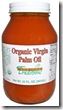 Organic palm oil

The fact that palm oil is solid at room temperature, has a neutral taste and can be extracted without the use of solvents has made organic palm oil a very useful ingredient in organic food processing. The only other organic fats which are solid at room temperature are butter and coconut oil, both of which are highly saturated.
But I thought palm oil was highly saturated?
Palm oil is frequently confused with palm kernel oil, which is highly saturated. In contrast palm oil contains a balance of polyunsaturated, monounsaturated and saturated fatty acids. In addition palm oil contains essential substances such as linoleic acid (an essential fatty acid which the body cannot manufacture) and tocopherols and tocotrienols, which act as natural anti-oxidants against damaging free-radicals.
What about cholesterol?
Like other vegetable fats palm oil is free from cholesterol. Because palm oil is solid at room temperature there is no need to use hydrogenation, a technique which hardens liquid oil but also produces damaging trans fatty acids and raises cholesterol levels in the process. Human feeding studies have shown that palm oil does not ordinarily raise blood cholesterol levels and in some cases has been found to lower harmful LDL-cholesterol.
Any other health benefits?
Rats fed on a palm-oil enriched diet had a reduced tendency to form blood clots. Unrefined palm olein (which is bright red in color) is a major source of carotenoids which inhibit some types of cancer. The unrefined oil is also a major source of beta-carotene, which is a precursor to Vitamin A.
It is also a rich source of phytonutrients such as beta-carotene, alpha-carotene, vitamin-E, lycopene and other carotenoids. These carotenoids are responsible for the striking red color of the oil.
Red palm oil has been used for thousands of years as a cooking oil in the East, but has only recently become available in the West. Importers in the West intend to make it more readily available. At the moment, red palm oil is available at selected health shops and supermarkets.
Why is red palm oil a super-healthy oil?
Red palm oil is particularly healthy because it contains the above-mentioned carotenoids and a special form of vitamin E. Most people are not aware of the fact that many different kinds of vitamin E occur in nature and that some forms of vitamin E are more beneficial than others. Red palm oil contains tocotrienols, a powerful form of vitamin E, which acts as a super-antioxidant.
The carotenoids in red palm oil also act as antioxidants and one of these carotenoids, namely lycopene, is associated with reducing the risks of certain types of cancer.
Our bodies need antioxidants to counteract ‘free radicals’. When we are exposed to pollutants in cigarette smoke, industrial pollution, stress, unbalanced diets, pesticide residues in food, and many other negative environmental influences, we are also exposed to free radicals.
A build-up of free radicals in the body is associated with degenerative diseases such as heart disease and cancer, as well as general ageing. It is, therefore, in our own best interests to ensure that we eat a diet rich in antioxidants that will counteract the damage to our bodies by free radicals.
What about heating?
Most people are aware of the fact that important nutrients can be broken down or destroyed when food is cooked. Research has shown that red palm oil can be heated during cooking without destroying its rich phytonutrient content.
What are tocotrienols?
Tocotrienols are super-antioxidants that belong to the vitamin E family. Red palm oil is particularly rich in these tocotrienols and is the only vegetable oil that has an abundant tocotrienol content.
Research results
Scientific studies conducted at the Universities of Louisiana and Wisconsin in the USA, the University of Reading in the UK, and the University of Western Ontario in Canada, have identified the following health benefits of red palm oil:
-
a reduction in the incidence of arteriosclerosis (hardening of the arteries which can result in heart disease);
-
a reduction in blood cholesterol levels;
-
a reduction in blood clotting, combined with blood vessel dilation, thus preventing heart attacks and strokes;
-
inhibition of the growth of breast cancer cells, which suggests that red palm oil may act as a chemopreventive agent;
-
a 45% enhancement of the efficiency of breast cancer drugs such as Tamoxifen.
These research results are indeed good news and may herald a new chapter in the prevention of heart disease and various types of cancer.
Interesting comparisons
The following table illustrates the nutritional benefits of red palm oil:
Nutrient Red Palm Oil Sunflower Oil Safflower Oil Maize Oil Olive Oil
Vitamin E (mg) 80 39 27.4 20.7 7.6
Carotene (mg) 50 0 0 0 0
It is evident that the vitamin E and carotene contents of red palm oil are superior to those of the above-mentioned cooking and salad oils.
So why does palm oil have such a bad reputation?
In the 1980’s the American Soya Oil processors were worried about losing domestic sales to imports of palm oil from Malaysia. They set up organizations with names like American Heartsavers which purported to promote good health to consumers but in reality these organizations were a front for attacking “tropical” oils such as palm oil. The campaign culminated in full page newspaper advertisements carrying headlines such as “Stop The Poisoning Of America”. Some of this misinformation trickled across the Atlantic and has left residual doubts in the minds of UK consumers and industry figures even today.
Palm oil is a very common cooking ingredient in the regions where it is produced.
Its heavy use in the commercial food industry elsewhere can be explained by its comparatively low price, being one of the cheaper vegetable or cooking oils on the market, and by new markets in the USA, stimulated by a search for alternatives to trans fats after the Food and Drug Administration required food labels to list the amount of trans fat per serving.
Red palm oil is known to be healthier than refined (discolored) palm oil. This is a result of several mitigating substances found in the red palm oil. These compounds are:
- betacarotenes (present in higher amounts than in regular palm oil),
- co-enzyme Q10 (ubiquinone),
- squalene,
- vitamin A
- vitamin E.
Refining these oils makes them unhealthy for us;
Palm oil products are made using milling and refining processes: first using fractionation, with crystallization and separation processes to obtain solid (stearin), and liquid (olein) fractions. By melting and degumming, impurities can be removed and then the oil filtered and bleached. Next, physical refining removes smells and coloration, to produce refined bleached deodorized palm oil, or RBDPO, and free sheer fatty acids, used as an important raw material in the manufacture of soaps, washing powder and other hygiene and personal care products. RBDPO is the basic oil product which can be sold on the world’s commodity markets, although many companies fractionate it out further into palm olein, for cooking oil, or other products.
The Ethics of Eating Meat
Posted: July 30, 2009 Filed under: Food and it's Impact on Our Health Leave a commentA reader made this comment about my post yesterday, “Vegetarian Diets are Not Good for Humans.";
“Most people are not able to kill a cow, a pig, a calf with their bare hands. They don’t even like to kill the animal. They leave it to others. So I think meat-eating humans are not omnivores but scavengers. Nowadays we know that keeping animals just for the taste is cruel. We don’t need to eat animals. I hope that ethical thoughts will evolve more than carnivoral human cruelty.”
Most people are not in a position to have to kill to eat. This is a result of our lifestyle. If it was something that we had grown up doing, we wouldn’t think twice about it. I remember watching my grandmother go outside and wring a chicken’s neck, clean it and sat down to Sunday dinner and enjoyed it. I fished growing up, ate frog legs and rattlesnakes after my dad killed them.
As a long time vegetarian I understand the choices people make morally to eschew meat and/or animal products. But, it does not discount the fact that we need meat to be healthy, we need animals to farm effectively, otherwise we are stuck with chemical fertilizers.
I can not say it any better than Charles Eisenstein said it in this article published on the Weston Price site;
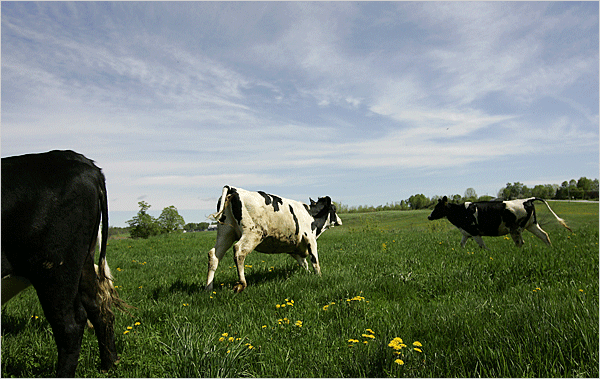 Most vegetarians I know are not primarily motivated by nutrition. Although they argue strenuously for the health benefits of a vegetarian diet, many see good health as a reward for the purity and virtue of a vegetarian diet, or as an added bonus. In my experience, a far more potent motivator among vegetarians–ranging from idealistic college students, to social and environmental activists, to adherents of Eastern spiritual traditions like Buddhism and Yoga–is the moral or ethical case for not eating meat.
Enunciated with great authority by such spiritual luminaries as Mahatma Gandhi, and by environmental crusaders such as Frances Moore Lappe, the moral case against eating meat seems at first glance to be overpowering. As a meat eater who cares deeply about living in harmony with the environment, and as an honest person trying to eliminate hypocrisy in the way I live, I feel compelled to take these arguments seriously.
A typical argument goes like this: In order to feed modern society’s enormous appetite for meat, animals endure unimaginable suffering in conditions of extreme filth, crowding and confinement. Chickens are packed twenty to a cage; hogs are kept in concrete stalls so narrow they can never turn around.
Arguing for the Environment
The cruelty is appalling, but no less so than the environmental effects. Meat animals are fed anywhere from five to fifteen pounds of vegetable protein for each pound of meat produced–an unconscionable practice in a world where many go hungry. Whereas one-sixth an acre of land can feed a vegetarian for a year, over three acres are required to provide the grain needed to raise a year’s worth of meat for the average meat-eater.
All too often, so the argument goes, those acres consist of clear-cut rain forests. The toll on water resources is equally grim: the meat industry accounts for half of US water consumption–2500 gallons per pound of beef, compared to 25 gallons per pound of wheat. Polluting fossil fuels are another major input into meat production. As for the output, 1.6 million tons of livestock manure pollutes our drinking water. And let’s not forget the residues of antibiotics and synthetic hormones that are increasingly showing up in municipal water supplies.
Even without considering the question of taking life (I’ll get to that later), the above facts alone make it clear that it is immoral to aid and abet this system by eating meat.
Factory or Farm?
I will not contest any of the above statistics, except to say that they only describe the meat industry as it exists today. They constitute a compelling argument against the meat industry, not meat-eating. For in fact, there are other ways of raising animals for food, ways that make livestock an environmental asset rather than a liability, and in which animals do not lead lives of suffering. Consider, for example, a traditional mixed farm combining a variety of crops, pasture land and orchards. Here, manure is not a pollutant or a waste product; it is a valuable resource contributing to soil fertility. Instead of taking grain away from the starving millions, pastured animals actually generate food calories from land unsuited to tillage. When animals are used to do work–pulling plows, eating bugs and turning compost–they reduce fossil fuel consumption and the temptation to use pesticides. Nor do animals living outdoors require a huge input of water for sanitation.
In a farm that is not just a production facility but an ecology, livestock has a beneficial role to play. The cycles, connections and relationships among crops, trees, insects, manure, birds, soil, water and people on a living farm form an intricate web, "organic" in its original sense, a thing of beauty not easily lumped into the same category as a 5000-animal concrete hog factory. Any natural environment is home to animals and plants, and it seems reasonable that an agriculture that seeks to be as close as possible to nature would incorporate both. Indeed, on a purely horticultural farm, wild animals can be a big problem, and artificial measures are required to keep them out. Nice rows of lettuce and carrots are an irresistible buffet for rabbits, woodchucks and deer, which can decimate whole fields overnight. Vegetable farmers must rely on electric fences, traps, sprays, and–more than most people realize–guns and traps to protect their crops. If the farmer refrains from killing, raising vegetables at a profitable yield requires holding the land in a highly artificial state, cordoned off from nature.
Yes, one might argue, but the idyllic farms of yesteryear are insufficient to meet the huge demand of our meat-addicted society. Even if you eat only organically raised meat, you are not being moral unless your consumption level is consistent with all of Earth’s six billion people sharing your diet.
Production and Productivity
Such an argument rests on the unwarranted assumption that our current meat industry seeks to maximize production. Actually it seeks to maximize profit, which means maximizing not "production" but "productivity"–units per dollar. In dollar terms it is more efficient to have a thousand cows in a high-density feedlot, eating corn monocultured on a chemically-dependent 5,000-acre farm, than it is to have fifty cows grazing on each of twenty 250-acre family farms. It is more efficient in dollar terms and probably more efficient in terms of human labor too. Fewer farmers are needed, and in a society that belittles farming, that is considered a good thing. But in terms of beef per acre (or per unit of water, fossil fuel, or other natural capital) it is not more efficient.
In an ideal world, meat would be just as plentiful perhaps, but it would be much more expensive. That is as it should be. Traditional societies understood that meat is a special food; they revered it as one of nature’s highest gifts. To the extent that our society translates high value into high price, meat should be expensive. The prevailing prices for meat (and other food) are extraordinarily low relative to total consumer spending, both by historical standards and in comparison to other countries. Ridiculously cheap food impoverishes farmers, demeans food itself, and makes less "efficient" modes of production uneconomical. If food, and meat in particular, were more expensive then perhaps we wouldn’t waste so much–another factor to consider in evaluating whether current meat consumption is sustainable.
Moral Imperative
So far I have addressed issues of cruel conditions and environmental sustainability, important moral motivations for vegetarianism, to be sure. But vegetarianism existed before the days of factory farming, and it was inspired by a simple, primal conviction that killing is wrong. It is just plain wrong to take another animal’s life unnecessarily; it is bloody, brutal, and barbaric.
Of course, plants are alive too, and most vegetarian diets involve the killing of plants. (The exception is the fruit-only "fruitarian" diet.) Most people don’t accept that killing an animal is the same as killing a plant though, and few would argue that animals are not a more highly organized form of life, with greater sentience and greater capacity for suffering. Compassion extends more readily to animals that cry out in fear and pain, though personally, I do feel sorry for garden weeds as I pull them out by the roots. Nonetheless, the argument "plants are alive too" is unlikely to satisfy the moral impulse behind vegetarianism.
It should also be noted that mechanized vegetable farming involves massive killing of soil organisms, insects, rodents and birds. Again, this does not address the central vegetarian motivation, because this killing is incidental and can in principle be minimized. The soil itself, the earth itself, may, for all we know, be a sentient being, and surely an agricultural system, even if plant-based, that kills soil, kills rivers, and kills the land, is as morally reprehensible as any meat-oriented system, but again this does not address the essential issue of intent: Isn’t it wrong to kill a sentient being unnecessarily?
One might also question whether this killing is truly unnecessary. Although the nutritional establishment looks favorably on vegetarianism, a significant minority of researchers vigorously dispute its health claims. An evaluation of this debate is beyond the scope of this article, but after many years of dedicated self-experimentation, I am convinced that meat is quite "necessary" for me to enjoy health, strength and energy. Does my good health outweigh another being’s right to life? This question leads us back to the central issue of killing. It is time to drop all unstated assumptions and meet this issue head-on.
The Central Question
Let’s start with a very naïve and provocative question: "What, exactly, is wrong about killing?" And for that matter, "What is so bad about dying?"
It is impossible to fully address the moral implications of eating meat without thinking about the significance of life and death. Otherwise one is in danger of hypocrisy, stemming from our separation from the fact of death behind each piece of meat we eat. The physical and social distance from slaughterhouse to dinner table insulates us from the fear and pain the animals feel as they are led to the slaughter, and turns a dead animal into just "a piece of meat." Such distance is a luxury our ancestors did not have: in ancient hunting and farming societies, killing was up close and personal, and it was impossible to ignore the fact that this was recently a living, breathing animal.
Our insulation from the fact of death extends far beyond the food industry. Accumulating worldly treasures–wealth, status, beauty, expertise, reputation–we ignore the truth that they are impermanent, and therefore, in the end, worthless. "You can’t take it with you," the saying goes, yet the American system, fixated on worldly acquisition, depends on the pretense that we can, and that these things have real value. Often only a close brush with death helps people realize what’s really important. The reality of death reveals as arrant folly the goals and values of conventional modern life, both collective and individual.
It is no wonder, then, that our society, unprecedented in its wealth, has also developed a fear of death equally unprecedented in history. Both on a personal and institutional level, prolonging and securing life has become more important than how that life is lived. This is most obvious in our medical system, of course, in which death is considered the ultimate "negative outcome," to which even prolonged agony is preferable. I see the same kind of thinking in Penn State students, who choose to suffer the "prolonged agony" of studying subjects they hate, in order to get a job they don’t really love, in order to have financial "security." They are afraid to live right, afraid to claim their birthright, which is to do joyful and exciting work. The same fear underlies our society’s lunatic obsession with "safety." The whole American program now is to insulate oneself as much as possible from death–to achieve "security." It comes down to the ego trying to make permanent what can never be permanent.
Modern Dualism
Digging deeper, the root of this fear, I think, lies in our culture’s dualistic separation of body and soul, matter and spirit, man and nature. The scientific legacy of Newton and Descartes holds that we are finite, separate beings; that life and its events are accidental; that the workings of life and the universe may be wholly explained in terms of objective laws applied to inanimate, elemental parts; and therefore, that meaning is a delusion and God a projection of our wishful thinking. If materiality is all there is, and if life is without real purpose, then of course death is the ultimate calamity.
Curiously, the religious legacy of Newton and Descartes is not all that different. When religion abdicated the explanation of "how the world works"–cosmology–to physics, it retreated to the realm of the non-worldly. Spirit became the opposite of matter, something elevated and separate. It did not matter too much what you did in the world of matter, it was unimportant, so long as your (immaterial) "soul" were saved. Under a dualistic view of spirituality, living right as a being of flesh and blood, in the world of matter, becomes less important. Human life becomes a temporary excursion, an inconsequential distraction from the eternal life of the spirit.
Other cultures, more ancient and wiser cultures, did not see it like this. They believed in a sacred world, of matter infused with spirit. Animism, we call it, the belief that all things are possessed of a soul. Even this definition betrays our dualistic presumptions. Perhaps a better definition would be that all things are soul. If all things are soul, then life in the flesh, in the material world, is sacred. These cultures also believed in fate, the futility of trying to live past one’s time. To live rightly in the time allotted is then a matter of paramount importance, and life a sacred journey.
When death itself, rather than a life wrongly lived, is the ultimate calamity, it is easy to see why an ethical person would choose vegetarianism. To deprive a creature of life is the ultimate crime, especially in the context of a society that values safety over fun and security over the inherent risk of creativity. When meaning is a delusion, then ego–the self’s internal representation of itself in relation to not-self–is all there is. Death is never right, part of a larger harmony, a larger purpose, a divine tapestry, because there is no divine tapestry; the universe is impersonal, mechanical and soulless.
Obsolete Science
Fortunately, the science of Newton and Descartes is now obsolete. Its pillars of reductionism and objectivity are crumbling under the weight of 20th century discoveries in quantum mechanics, thermodynamics and nonlinear systems, in which order arises out of chaos, simplicity out of complexity, and beauty out of nowhere and everywhere; in which all things are connected; and in which there is something about the whole that cannot be fully understood in terms of its parts. Be warned, my views would not be accepted by most professional scientists, but I think there is much in modern science pointing to an ensouled world, in which consciousness, order and cosmic purpose are written into the fabric of reality.
In an animistic and holistic world view, the moral question to ask oneself about food is not "Was there killing?" but rather, "Is this food taken in rightness and harmony?" The cow is a soul, yes, and so is the land and the ecosystem, and the planet. Did that cow lead the life a cow ought to lead? Is the way it was raised beautiful, or ugly (according to my current understanding)? Allying intuition and factual knowledge, I ask whether eating this food contributes to that tiny shred of the divine tapestry that I can see.
Divine Tapestry
There is a time to live and a time to die. That is the way of nature. If you think about it, prolonged suffering is rare in nature. Our meat industry profits from the prolonged suffering of animals, people and the Earth, but that is not the only way. When a cow lives the life a cow ought to live, when its life and death are consistent with a beautiful world, then for me there is no ethical dilemma in killing that cow for food. Of course there is pain and fear when the cow is taken to the slaughter (and when the robin pulls up the worm, and when the wolves down the caribou, and when the hand uproots the weed), and that makes me sad. There is much to be sad about in life, but underneath the sadness is a joy that is dependent not on avoiding pain and maximizing pleasure, but on living rightly and well.
It would indeed be hypocritical of me to apply this to a cow and not to myself. To live with integrity as a killer of animals and plants, it is necessary for me in my own life to live rightly and well, even and especially when such decisions seem to jeopardize my comfort, security, and rational self-interest, even if, someday, to live rightly is to risk death. Not just for animals, but for me too, there is a time to live and a time to die. I’m saying: What is good enough for any living creature is good enough for me. Eating meat need not be an act of arrogant species-ism, but consistent with a humble submission to the tides of life and death.
If this sounds radical or unattainable, consider that all those calculations of what is "in my interest" and what will benefit me and what I can "afford" grow tiresome. When we live rightly, decision by decision, the heart sings even when the rational mind disagrees and the ego protests. Besides, human wisdom is limited. Despite our machinations, we are ultimately unsuccessful at avoiding pain, loss and death. For animals, plants, and humans alike, there is more to life than not dying.
I have nothing against vegetarianism or vegetarians. However, if you suspect that a meatless diet is not supporting your health, I urge you to investigate the moral and ethical complexities of this issue. There are many thoughtful, compassionate, even spiritual people who eat meat. Moreover, I have met many, many people whose health radically improved after they began eating meat again. I do not attempt to generalize that to everybody. I am perfectly willing to accept that vegans can be healthy too (though I’ve met many who are not).
About the Author- Charles Eisenstein is a stay-at-home dad living in central Pennsylvania. He teaches part-time at Penn State. His book, The Yoga of Eating, may be purchased from New Trends Publishing, http://www.newtrendspublishing.com/YOGA/.
MILK- Does A Body Good?
Posted: July 29, 2009 Filed under: Food and it's Impact on Our Health Leave a comment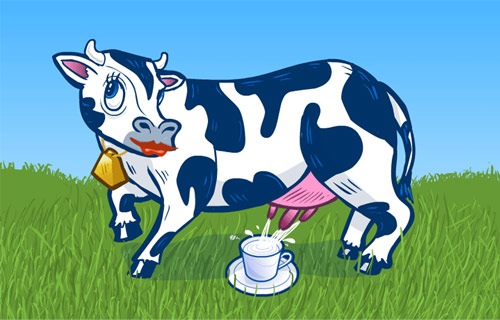
We were all brought up with the myth that "milk does a body good." This is why most parents believe that milk is a desirable and essential part of a child’s diet. But 70% of the world’s population doesn’t drink milk. The fact is mother nature never intended mammals to drink milk after weaning. In fact, in no mammalian species, except for a small percentage of humans, is milk consumption continued after weaning. In the words of Dr. Frank Oski, Director of Pediatrics at Johns Hopkins School of Medicine, "No one should drink milk." Mother’s milk is actually a perfect food—for infants. The chemical composition of milk is uniquely designed for the infants of each species. Consumption by adult mammals or cross-feeding to other mammals is a bad idea. Feeding elephant milk to cats, mouse milk to giraffes, or cow milk to humans will damage health. Cow milk is a major contributor to our chronic disease problems. When people stop consuming dairy—health improves. The reason for this is that the sugar, fat, protein, and minerals in cow’s milk are not appropriate for human consumption. In addition, virtually all milk is pasteurized which further changes the chemistry of the milk and makes it even more damaging.
Milk contains a sugar, called lactose, which is found only in milk. Mammals are born with the ability to make an enzyme, called lactase, which digests the lactose. All mammals, including the majority of humans, lose the ability to make this enzyme after weaning. Without this enzyme, consuming milk causes numerous medical problems ranging from mild to serious. Many people have this problem without knowing it. I have met people who wonder why they have so much gas after drinking milk. Most likely they are lactase deficient. Milk is contaminated with low-level residues of pesticides, hormones, antibiotics, sulfa drugs, dioxin, PCBs, and other chemicals. According to the USDA, "No milk available on the market today, in any part of the U.S., is free of pesticide residues." These chemical residues can bioaccumulate in our tissues and eventually reach concentrations where they cause birth defects, cancer, and other problems. About 80% of the average person’s pesticide load comes from consuming meat and dairy. One example of what happens after years of this bioaccumulation was cited by John Robbins in Diet for a New America. Robbins noted that the milk of most American mothers who are breast feeding is so contaminated with PCBs, dioxin, and various pesticides that, "…it would be subject to confiscation and destruction by the FDA were it to be sold across state lines." These chemicals store in the mother’s fat which is then used to make the mother’s milk. Robbins goes on to say, "The EPA has concluded that the average American breast-fed infant ingests nine times the permissible level of dieldrin, one of the most potent of all cancer causing agents known to modern science." It shouldn’t be a surprise that cancer has become the leading cause of death for children under the age of fourteen. All this is happening because of the mother’s bioaccumulation of toxins from her own consumption of meat and dairy.
Milk is also contaminated with viruses and bacteria. Government regulations state that after pasteurization milk should contain no more than 20,000 bacteria per milliliter. A study done by Consumer Reports found that seven out of twenty-five milk samples had in excess of 130,000 bacteria per milliliter. One sample had almost three million, and others had too many to count. Exposing yourself to this level of bacterial contamination is not a good idea. A host of infectious diseases have been traced to consumption of pasteurized milk. In addition, you may be putting an unnecessary and injurious load on your immune system.
Cow milk contains the wrong proteins for human consumption. It is rich in proteins called caseins which are difficult for humans to digest. Cows have four stomachs so they don’t have a problem, but we do. These undigested proteins enter the lower intestines where they putrefy. This creates highly toxic by-products which poison us. Undigested proteins can also enter into systemic circulation, provoking allergic reactions. This is why milk is so highly allergenic. Dr. Frank Oski says that, "At least 50% of all children are allergic to dairy." An even higher percentage of adults are allergic. Allergic reactions tax the immune system, and lower resistance to infection and other diseases. Cow milk is rich in calcium, but is a poor source of calcium. It can also cause calcium losses. Cow milk contains 1200 mg. of calcium per quart while human milk contains only 300 mg. However, an infant actually absorbs more calcium from a quart of human milk because the calcium in the cow milk is less bioavailable. While there is a lot of calcium in cow milk, there is also a lot of phosphorous. The calcium combines with the phosphorous in the digestive tract and prevents its absorption. In addition, cow milk is low in magnesium and magnesium is necessary for calcium metabolism. Calcium that is not properly metabolized ends up as kidney stones, gout, and atherosclerotic plaques.
Another problem is that cow milk is high in protein which metabolizes to strong acids. These strong acids could harm us, so the body uses calcium to neutralize them, thus robbing bones of calcium and causing calcium losses. The U.S. has only 4% of the world’s population but it consumes more dairy than the other 96% combined. If milk was good for our bones, we would have the strongest bones in the world. Instead we have one of the highest osteoporosis rates in the world. The countries with the highest dairy consumption have the most osteoporosis. Vegetables like broccoli, chard, and kale are rich sources of calcium. We need to get our calcium the same place cows get theirs—from plants.
Milk contains too much fat. Fifty percent of the calories in milk come from fat, 60% of which is saturated. Children as young as two and three already have early signs of atherosclerosis because of excessive fat intake, and heart disease is our number one cause of death.
Pasteurizing milk adds additional health risks by changing the entire physio-chemical state of the milk. For instance, pasteurization reduces the bioavailability of milk’s calcium by 50 percent. Enzymes are deactivated. The structure of protein molecules is changed. The milk chemistry is substantially altered so that when pasteurized milk is fed to calves, for which it was intended as a perfect food, all the calves die within two months. Experiments feeding pasteurized dairy to cats, mice, rats, and calves all had the same result. The animals get sick and die. If pasteurized milk kills all these animals, why do we think it’s good for us?
Milk consumption is clearly connected to a variety of diseases. One is iron-deficiency anemia in infants. According to Dr. Frank Oski in Don’t Drink Your Milk, about 20% of all children under the age of two suffer from iron-deficiency anemia. In about half of these cases, an allergy to milk causes intestinal bleeding leading to loss of iron and anemia. Ear infections are another problem. Most ear infections can be prevented by removing dairy from a child’s diet. Multiple sclerosis has a striking correlation with the amount of milk consumed. Juvenile delinquents were found to consume ten times more dairy than other adolescents of similar age and background. Diabetes, kidney disease, eczema, asthma, rheumatoid arthritis, appendicitis, streptococcal infections, leukemia, Lou Gehrig’s disease, colds, flu, enlarged tonsils and adenoids, and ovarian cancer also have strong connections to milk consumption.
According to the American Journal of Epidemiology, ovarian cancer is highest in those countries with the highest dairy consumption. Cottage cheese and yogurt appear to be the worst offenders because their dairy sugars have been pre-digested into a sugar called galactose, which is thought to be instrumental for this cancer.
In conclusion, there is little scientific evidence that cow’s milk is of much nutritional benefit to humans, while there is ample evidence that it causes disease. Infants should be breast fed for more than a year. After that, milk is unnecessary. Cow milk and its products should be avoided by children and adults alike, and especially by potential mothers.
The Laws of the Pharmaceutical Industry
Posted: July 29, 2009 Filed under: Food and it's Impact on Our Health Leave a commentOur medical professionals practice medicine, you need to practice health; by eating a traditional human diet, exercising, being happy, giving of yourself…
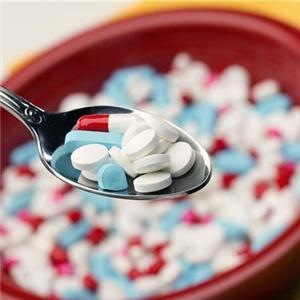
The main principles governing the pharmaceutical “business with disease.” It is not in the financial interests of the pharmaceutical industry to prevent common diseases – the maintenance and expansion of diseases is a precondition for the financial growth of this industry.
1 The pharmaceutical industry is an investment industry driven by the profits of its shareholders. Improving human health is not the driving force of this industry.
2 The pharmaceutical investment industry was artificially created and strategically developed over an entire century by the same investment groups that control the global petrochemical and chemical industries.
3 The huge profits of the pharmaceutical industry are based on the patenting of new drugs. These patents essentially allow drug manufacturers to arbitrarily define the profits for their products.
4 The marketplace for the pharmaceutical industry is the human body – but only for as long as the body hosts diseases. Thus, maintaining and expanding diseases is a precondition for the growth of the pharmaceutical industry.
5 A key strategy to accomplish this goal is the development of drugs that merely mask symptoms while avoiding the curing or elimination of diseases.
This explains why most prescription drugs marketed today have no proven efficacy and merely target symptoms.
6 To further expand their pharmaceutical market, the drug companies are continuously looking for new applications (indications) for the use of drugs they already market. For example, Bayer’s pain pill Aspirin is now taken by 50 million healthy US citizens under the illusion it will prevent heart attacks.
7 Another key strategy to expand pharmaceutical markets is to cause new diseases with drugs. While merely masking symptoms short term, most of the prescription drugs taken by millions of patients today cause a multitude of new diseases as a result of their known long-term side effects. For example, all cholesterol-lowering drugs currently on the market are known to increase the risk of developing cancer – but only after the patient has been taking
the drug for several years.
8 The known deadly side effects of prescription drugs are the fourth leading cause of death in the industrialized world, surpassed only by the number of deaths from heart attacks, cancer and strokes (Journal of the American Medical Association,April 15, 1998). This fact is no surprise either, because drug patents are primarily issued for new synthetic molecules. All synthetic molecules need to be detoxified and eliminated from the body, a system that frequently fails and results in an epidemic of severe and deadly side effects.
9 While the promotion and expansion of diseases increase the market of the pharmaceutical investment industry – prevention and root cause treatment of diseases decrease long-term profitability; therefore, they are avoided or even obstructed by this industry.
10 Worst of all, the eradication of diseases is by its very nature incompatible with and diametrically opposed to the interests of the pharmaceutical investment industry. The eradication of diseases now considered as potential drug markets will destroy billions of investment dollars and eventually will eliminate this entire industry.
11 To protect the strategic development of its investment business against the threat from effective, natural and non-patentable therapies, the pharmaceutical industry has – over an entire century – used the most unscrupulous methods, such as:
(a) Withholding life-saving health information from millions of people.
It is simply unacceptable that today so few know that the human body cannot produce vitamin C and lysine, two key molecules for connective tissue stability and disease prevention.
(b) Discrediting natural health therapies. The most common way is through global PR campaigns organized by the Pharma-Cartel that spread lies about the alleged side effects of natural substances – molecules that have been used by Nature for millennia.
(c) Banning by law the dissemination of information about natural health therapies. To that end, the pharmaceutical industry has placed its lobbyists in key political positions in key markets and leading drug export nations.
12 The pharmaceutical “business with disease” is the largest deception and fraud business in human history. The product “health” promised by drug companies is not delivered to millions of patients. Instead, the “products” most often delivered are the opposite: new diseases and frequently, death.
13) The survival of the pharmaceutical industry is dependent on the elimination by any means of effective natural health therapies. These natural and non-patentable therapies have become the treatment of choice for millions of people despite the combined economic, political and media opposition of the world’s largest investment industry.
Vegetarian Diets are Not Good for Humans!
Posted: July 29, 2009 Filed under: Food and it's Impact on Our Health 6 Comments‘Homo carnivorous’
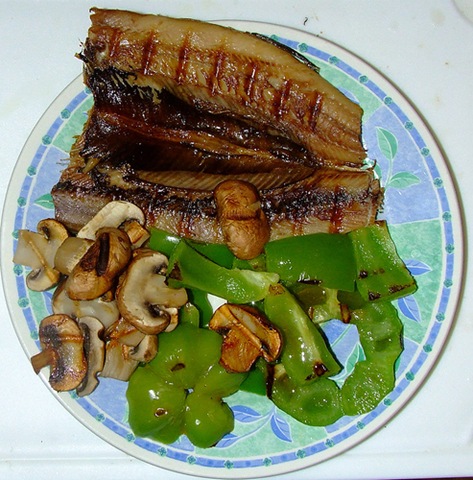 There is no doubt whatsoever that we cannot be a vegetarian species. From at least the time that Homo erectus appeared in the cold Eurasian continent some 500,000 years ago, we must have lived on and adapted to a diet almost exclusively of meat.
All this evidence points to our being pure carnivores, as are the big cats. However, we are a remarkably successful species. It is unlikely that we would have been quite so successful if we had been forced to rely on only one source of food. It is obvious from archaeological remains that we tended to be more opportunist eaters. We hunted and ate meat primarily but, if meat was in short supply, we would eat almost anything — so long as it did not require cooking. This still precluded some of the roots and most of the legumes and cereals that we eat today. When meat was in short supply, we got our protein from nuts and ate fruits and berries. During our evolution, therefore, when we lived well, our diet was high in protein and fat: during lean times it was richer in carbohydrates.
So, our ideal diet, the one we evolved and adapted to, must also be one which is high in proteins and fats, and low in carbohydrates.
Read the whole article; The Naive Vegetarian
From the Weston Price Foundation– The Myths of Vegetarianism


 Meal Delivery Service by Millie Barnes