Green Family Values: The Perfect Gift for Baby
Posted: August 17, 2009 Filed under: Non-Toxic Choices 1 CommentFrom Green Options
By Jennifer Lance • October 17, 2007
 When baby is born, it is so pure and natural, yet will soon be exposed to all of the harsh chemicals of the modern world. It is true that babies are exposed to some toxins in utero and through breastmilk, but this exposure is limited and mostly out of the control of parents. What is in the control of new parents are the kind of products they use on their baby, and of course, green products are better for baby.
As a new parent, I was very concerned about swaddling my newborn in synthetic, petroleum-based polyester blankets. Conventionally grown cotton baby blankets are not much better, as they are grown and produced with pesticides and chemicals. The solution: organically grown baby blankets. Unfortunately, six years ago the only organic fiber blanket I could find was a dull green color and unattractive. Today, babies can be swaddled in stylish, luxurious organic baby blankets by Robbie Adrian Luxury Organics, the perfect gift for baby.
After the recent barrage of recalls, many parents are looking for items made in the USA. Robbie Adrian Luxury Organics baby blankets are not only made in the USA, but the cotton used to make the fleece is also organically grown in the USA. The demand for non-food organic products is growing (27.5% in 2006), as people realize that it is not only the food we eat that comes into contact with our bodies. Robbie Adrian Luxury Organics are optimistic about this trend. Cofounder Susan Doris explains, "Part of our goal … is to help educate people about the impact on the environment from purchasing different fibers, and how they can really make a difference with what they buy."
Robbie Adrian Luxury Organics baby blankets are very beautiful and soft to the touch. The organically grown fleece is lined with silk, and worry-free for green parents. As cofounder Robbie Mahlman states, "Our blankets make green gorgeous." I can’t wait to give one to my new niece Tessa! All this green luxury comes at a price though, but as I have said before, sustainability is expensive in comparison to superstore shopping. The demand for cheap goods is one reason our environment is in its current condition.
What do you get for buying a sustainable company’s beautiful baby blanket? The company is honest in describing the green strengths and weakness of their product. They call this "baby steps" as they "try to run our business as sustainably as we can." The blankets are made of 100% certified organic cotton, grown in Texas, milled in South Carolina, and trimmed with natural silk. They are colored with low-impact, azo-free, non-heavy metal dyes. The company’s receipts are printed on seeded lotka paper, and all other paper products, such as hang-tags and stationary, are 100% post consumer fiber. The decorative tissue is handmade from kozo fiber. Robbie Adrian Luxury Organics uses plastic bags in packaging only when the destination expects wet weather. That is an awful lot of "baby steps," in my opinion!
There are a few areas the company identifies as needing sustainability improvement. Their labels are made from polyester fibers, because there are no US sources for woven cotton labels. The shipping boxes contain 55% recycled fiber content, rather than 100%. Furthermore, Robbie Adrian Luxury Organics would like to move from natural silk to "peace" silk. I have to admit, I had never heard of peace silk, even though I have taken many fiber arts classes. During conventional silk production, the silkworm is killed as it is boiled and the fiber unwound. Alternately, peace silk lets the moths emerge from their cocoons and complete their full life cycle before the silk fiber is removed. This product is rarely available for commercial uses.
You may not care about the life cycle of a silkworm, but Robbie Adrian Luxury Organics does, as they take "baby steps" towards combining sustainability, elegance, and beauty in their baby blankets. The company also cares about 15 pesticides used on cotton crops and their ecological impact. They care about providing green babies luxury, comfort, and health, something CEO Robbie Mahlman calls, "earth friendly elegance for discerning parents and their babies."
Response to Emma on the Dole Banana Story…
Posted: August 17, 2009 Filed under: Food and it's Impact on Our Health Leave a commentEmma commented;
i am an advocate of buying organic whenever possible, but i thought you may be interested in this link that claims that many of the claims were actually fabricated.
please have a read and let me know what you think!
cheers,
Emma
http://www.businessweek.com/bwdaily/
Thank you for commenting Emma, something sure doesn’t seem right there. I will be following this…in the meantime, ya’ll follow the link and see what Business Week had to say…
Bananas!* Exposes Dole’s Poisonous Practices
Posted: August 16, 2009 Filed under: Food and it's Impact on Our Health 1 CommentFrom Eco Worldly

Written by Rhonda Winter
Published on August 15th, 2009
Posted in About Environment, About Politics, In The Americas
An explosive new documentary, Bananas!*, examines global food politics by following the crusade of lawyer Juan J. Dominguez, as he fights for the rights of thousands of banana plantation workers in Nicaragua who have been made sterile from exposure to the banned pesticide DBCP (Dibromo Chloropropane). This toxic chemical has been shown to cause cancer in animals, sterility in humans, and has been banned in most of the Americas since 1977. The film follows Dominguez as he fights the behemoth Dole Company for restitution for the abused Nicaraguan workers in the US courts.
The Dole Food Company is now attempting to sue the filmmakers and producers, and has unsuccessfully attempted to block screenings of the movie at the Los Angeles Film Festival earlier this year. WG Film, Fredrik Gertten and Margarete Jangård, the creators of Bananas!*, have retained a First Amendment rights lawyer to fight back against the multinational giant Dole. The corporation’s lawsuit claims that the film is defamatory and false toward Dole Food. Bananas!* is definitely a movie that the Dole Corporation does not want you to see. It is presently scheduled for wide release this October.
Growing basil easily
Posted: August 15, 2009 Filed under: Gardening 1 CommentThursday, August 13, 2009
From Natural Gardening
Last summer, I first tried growing basil in flats. It was a smashing success. Harvested often, I had lots of tender leaves to use in pesto and for flavoring. In contrast, the plants in the ground had their usual tough leaves, etc., although bees and other visitors enjoyed the flowers.
So this year, I duplicated the method. Fabulous, again. These flats are the multi-harvested one on the right, and the newly sown one on the left. 
Eating Organic Economically- how I eat and cook all week.
Posted: August 13, 2009 Filed under: In The Kitchen with Millie- How To's Leave a comment
1 whole organic chicken 9.00
1 pound grass-fed hamburger 7.99
18 eggs- Grassroots Market – 3.99
1 pound turkey bacon 5.79
½ pound salmon 4.99
1 pound raw butter 10.00
1 pound carrots 2.99
3 large onions 3.25
¾ pound coffee 7.99
3 beefsteak tomatoes 2.00
Garlic bulb .30
2 limes .99
2 lemons 1.10
3 green peppers bell peppers 2.99
1 bag celery 1.99
1 pint blueberries 3.99
1 bunch kale 3.99
3 large sweet potatoes 2.99
~ 76.35~ grocery cost
-24.50 minus the items I grow
51.85
The items in red are the things I grow. I have a square foot garden outside . I used some 5 gallon buckets, soil, perlite and made sub-irrigated containers. Growing from seed is cheap.
If you have a backyard, or a deck for container gardening, or grow lights indoors, you can save further in ways that processed food eaters can’t: Almost all year I grow salad greens, herbs, braising greens of some kind and cucumbers and tomatoes. (The salad herbs oregano, thyme, mint, basil, cilantro and parsley never quit here in any season!)
 Purple peppers outside the front door.
  Inside; tomatoes, basil, thyme, dill, lettuce, beets, Swiss chard.
Items I make myself; almond butter made in the Champion juicer, sauerkraut, coconut milk yogurt, mayonnaise, Kombucha tea, salad dressings. These things are very inexpensive to make, very easy to do…not much labor.
Starting on the day I shop, here’s how I eat and cook all week, very simply, but extremely healthy.
First Night; I roast a whole chicken by slapping butter all over it, salt and peppering it, maybe some garlic. Then roast it for 30 minutes on 450°. Then turn the oven down to 300° and bake for 30 minutes. Now turn the oven back up to 400° and roast that bird just 165°, checking for temp in the thickest part of the breast, not hitting the bone. Save the pan drippings for cooking, save the carcass for stock. Here’s a link to making stock- Chicken Stock 101
That is dinner the first night; a leg and thigh and some breast meat, pour pan drippings over it, using fat and gelatin in roasting pan. With some sautéed peppers and onions and a few slices of ripe tomato, here’s a great dinner.
Breakfast is usually 2 eggs, fried in butter or coconut oil, 3 slices of turkey bacon, some coconut milk yogurt and a handful of blueberries. And 6 ounces of Turkish coffee, ground and brewed each morning. Some mornings I have Ezekiel bread.
Lunch is usually whatever I’ve had for dinner the night before, or an Ezekiel bread sandwich, with meat, fresh olive oil mayonnaise, or almond butter. Maybe Ezekiel with almond butter and sauerkraut, toasted. Usually a cup of meat stock and/or coconut milk yogurt.
Second night; take the rest of the meat off of the chicken, make stock. Have a great chicken soup that night, add sautéed celery, carrots, bay leaf. Maybe some kale sautéed in chicken fat, some gelatin from chicken pan drippings, onions, mushrooms. Sliced tomatoes.
Third night; 1/3 pound hamburger patty, sautéed onions and peppers, 8 ounces chicken stock, sliced tomatoes, coconut milk yogurt.
Fourth night; fresh salmon with dill, Dijon and fresh lemon juice, sautéed peppers, mushrooms and onions, sliced tomatoes. A cup of chicken stock.
Fifth night; Chicken meat prepared however you want, sautéed kale, ½ sweet potato, sautéed mushrooms. Coconut milk Crème Brule and a few blueberries.
Sixth night; 1/3 pound hamburger patty, pan gravy, ½ sweet potato with butter, kale with onions.
Seventh Night; Rest of hamburger with peppers, onions, tomato, salsa, avocado and fresh corn tortilla.
Shop again, or have leftovers, or breakfast for dinner.
Extras I buy if I can afford them; cherries, plantains to fry, dark chocolate, steaks, roasts, Ezekiel bread, wine.
Things I always have in the kitchen; raw butter, Dijon mustard, olives, herbs and spices, an array of vinegars, olive oil, sesame oil, coconut oil, lemons, limes, teas, quinoa, rice and tapioca flours, coconut milk, curry sauces, olives.
Bear in mind that this is a very basic dinner menu, showing how to meet all of your calorie and nutrient needs affordably. These dinners reflect basic eating, by adding other ingredients I can get real fancy, and I do at times. Buy my cookbook here; Optimum Nutrition Cookbook.
Chicken Stock 101
Posted: August 12, 2009 Filed under: Food and it's Impact on Our Health, In The Kitchen with Millie- How To's 4 CommentsFrom; Mother Linda’s
I used to make pathetic soups. This was all due to the fact that I didn’t know how to make a good chicken stock. Oh, I tried. I bought the best chickens and organic vegetables and threw (no, gently placed) them in a pot to simmer. The results were always the same. After a couple of hours, I would pick the diluted chicken off the bones, and return the bones to the pot for some more simmering. I could never really stomach the pale, now tasteless chicken, and never found dishes it worked well in. And all my great organic vegetables never seemed to do the trick to create a tasty stock. And only on occasion would my stock, when reduced and cooled, become gelatinous like it should. I knew that the perfect stock must past the Jell-O® test, but mine rarely did.
I improved my stocks when I learned that adding a small amount of acid to the pot and letting it sit for a while before heating helps draw the calcium out of the bones. After trying this method, I felt my stocks were more nourishing, but they still did not always become firm when cooled.
But I recently had a revelatory moment when I realized how incredibly easy and double tasking it was to make homemade soup stock by starting with the leftover carcass from a roast chicken. Now my chickens have two lives. First, they are roasted to perfection in the oven and served as a nourishing main dish. Then, their bones are used to make a perfect stock.
But the bones are not the only important and part of the carcass, the cartilage is also key. In fact, during the slow simmering process, it is the chicken cartilage, that flexible and plastic-like white stuff along the breast bone and in the joints, which becomes part of the broth. This process is the primary factor in whether the stock will set up or not. Adding a few chicken feet to the pot will also produce a more gelatinous stock.
Good thick chicken stock is full of cartilage-building proteins and amino acids we all need. Commercial chicken stock, even organic, is just no replacement. For more information on the health benefits of good stock or broth, see “Broth is Beautiful” by Sally Fallon and "Why Broth is Beautiful—"Essential" Roles for Proline, Glycine and Gelatin” by Kaayla Daniel.
Perfect Chicken Stock

It is amazingly easy to make good chicken stock with almost no effort.
The carcass of one roasted chicken
Raw necks, backs, gizzards and other innards
2-3 chicken feet
Water to cover all chicken parts, plus 2 finger’s width
2 tsp. apple cider vinegar or lemon juice
2 medium onions, peeled and quartered
2 medium carrots, peeled and cut into 2-inch pieces
Leafy tops of 2 celery ribs
After serving the meal, I pick off the remaining meat, as much as possible, and reserve it for sandwiches or another dish. Next, I break the carcass into pieces and place them in a pot big enough to hold the carcass plus two finger widths of water. Breaking the bones does two things: it releases the marrow, which is where a lot of the flavor hides, and it exposes more of the bone to the calcium-extracting acid. Be sure to throw the necks, backs, gizzards and other innards into the pot as well.
Wash all the raw parts well under cold running water. Place everything into a 4-quart or larger pot and fill with COLD water to cover bones, plus 2 finger widths. Add a couple of tsp. of vinegar or lemon juice and let the brew sit for at least 30 minutes before placing on the stove. Do not go overboard on the acid or you will ruin the stock.
After 30 minutes, bring to boil over high heat. While waiting for the water to boil, prepare the vegetables. When the water just boils, add the vegetables to the pot and when the water returns to a boil, quickly reduce the heat and partially cover the pot. Adjust the heat to allow the stock to slowly simmer. (Sometimes I even move the pot halfway off the burner.)
If need be, skim off any foam that begins to form. This will leave you with a much clearer broth. When the foam is pretty much gone, sprinkle with a teaspoon of seasoned salt, and reduce heat to medium-low. You want just the barest hint of a simmer while the pot is covered.
Let simmer very gently, without stirring, for 3 to 4 hours—or even overnight. Let cool slightly and then remove the big bones and vegetable parts. Carefully pour the remaining liquid and small bones through a large, fine-meshed sieve, catching the liquid in another pot. Discard all bones and vegetables.
Cover and place your clear stock in the refrigerator 5-6 hours or overnight. In the winter, I put the stock out on my porch to cool. After several hours, all the fat will rise to the top and solidify. Chicken fat is rather soft so you should carefully skim it off with a spoon.
Now it is time to reduce the stock, which will give it more concentrated flavor and make a firmer gel. Boil the stock in an uncovered pot. Taste occasionally until you find the strength of stock you are looking for. I usually reduce mine at least by half.
Making Coconut Milk Yogurt
Posted: August 12, 2009 Filed under: In The Kitchen with Millie- How To's Leave a commentI made this yesterday, using the thermos method and it was very easy.
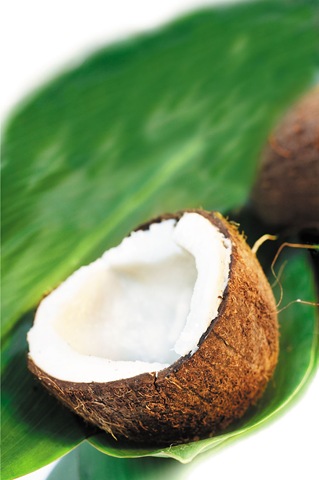
Coconut Milk Yogurt
2 cans (15 oz.) Thai Kitchen coconut milk (the reason I don’t use organic is because the only brands I can find locally here in Jacksonville, Fl have preservatives or emulsifiers, which will keep the yogurt culture from developing)
heaping 1/4 t. dairy free probiotic*
1 packages Knox gelatin OR a few T. of yogurt from last batch
3 T.organic sugar, or to taste.
Tools Needed:
2 half-quart Mason jars (I used cleaned salsa jars) and a few quart jars to hold hot water.
2 large/medium stainless steel pots
kitchen thermometer
a large bath towel
Another method; make yoghurt in a wide neck thermos flask. Put warm water in the flask for 5 minutes to warm it up. Do not use water which is too hot or the thermos will be too hot. I pour my heated milk and yoghurt into the flask and leave for 8 hours. It works every time.
Basics:
1) First, take one can of coconut milk and pour it into the microwave-safe bowl, and pour the second can into your glass pitcher. Next, sprinkle the gelatin evenly over the milk in the bowl, and let it sit. Then microwave the milk in the glass pitcher for approximately 60 seconds. Take it out to check the temperature. It should be 110 degrees. If it has not yet reached the correct temperature, microwave it on 15 second intervals until it is. Now you can go back to the coconut milk in the bowl, and stir it until it dissolves completely. Add the desired amount of sugar at this point and whisk to dissolve. Then place the bowl in the microwave and heat to 120 degrees. After it has cooled to 110 degrees, pour most of the milk out of the glass pitcher into the bowl, and leave only a small amount in the pitcher. Add the store-bought coconut yogurt or probiotic starter to the heated coconut milk left in the pitcher and stir until it dissolves, and then add it to the coconut milk in the glass bowl. Recheck the temperature, and if it is not still 110 degrees, place the bowl in the microwave, and bring it back to 110 degrees.
2) Now that you have the properly mixed yogurt base at the correct temperature, you are ready to pour it into the mason jars, while pouring steaming hot water into the larger jars, and then to place them both into your largest pot on the stove (surround them with towels you’ve warmed up in your dryer to help with the insulation),
3) I then leave it for 12 hours to incubate. You can sit the whole pot on a heating pad and it will stay at the right temp for the whole time. Yogurt will be runny until after you refrigerate it.
Once a week I make a batch of blueberry sauce to eat with my yogurt by placing 1 1/2 cups blueberries in a saucier (or small pot) and simmering it with a T. of sugar until the blueberries burst and get juicy. I simmer it a few minutes to thicken it and them keep it in a jar in the fridge. I add it to my yogurt when I eat it..mmmmmmm
The Double Danger of High Fructose Corn Syrup
Posted: August 11, 2009 Filed under: Food and it's Impact on Our Health Leave a commentFrom the Weston Price Foundation;
 By Bill Sanda, BS, MBA

For many years, Dr. Meira Fields and her coworkers at the US Department of Agriculture investigated the harmful effects of dietary sugar on rats. They discovered that when male rats are fed a diet deficient in copper, with sucrose as the carbohydrate, they develop severe pathologies of vital organs. Liver, heart and testes exhibit extreme swelling, while the pancreas atrophies, invariably leading to death of the rats before maturity.
Sucrose is a disaccharide composed of 50 percent glucose and 50 percent fructose. Dr. Fields repeated her experiments to determine whether it was the glucose or fructose moiety that caused the harmful effects. Starch breaks down into glucose when digested. On a copper-deficient diet, the male rats showed some signs of copper deficiency, but not the gross abnormalities of vital organs that occur in rats on the sucrose diet. When the rats were fed fructose, the fatal organ abnormalities occurred.
Lysl oxidase is a copper-dependent enzyme that participates in the formation of collagen and elastin. Fructose seems to interfere with copper metabolism to such an extent that collagen and elastin cannot form in growing animals–hence the hypertrophy of the heart and liver in young males. The females did not develop these abnormalities, but they resorbed their litters.
These experiments should give us pause when we consider the great increase in the use of high fructose corn syrup during the past 30 years, particularly in soft drinks, fruit juices and other beverages aimed at growing children, children increasingly likely to be copper deficient as modern parents no longer serve liver to their families. (Liver is by far the best source of copper in human diets.)
"The bodies of the children I see today are mush," observed a concerned chiropractor recently. The culprit is the modern diet, high in fructose and low in copper-containing foods, resulting in inadequate formation of elastin and collagen–the sinews that hold the body together.
Binging on Fructose
Until the 1970s most of the sugar we ate came from sucrose derived from sugar beets or sugar cane. Then sugar from corn–corn syrup, fructose, dextrose, dextrine and especially high fructose corn syrup (HFCS)–began to gain popularity as a sweetener because it was much less expensive to produce. High fructose corn syrup can be manipulated to contain equal amounts of fructose and glucose, or up to 80 percent fructose and 20 percent glucose.2 Thus, with almost twice the fructose, HFCS delivers a double danger compared to sugar.
(With regards to fruit, the ratio is usually 50 percent glucose and 50 percent fructose, but most commercial fruit juices have HFCS added. Fruit contains fiber which slows down the metabolism of fructose and other sugars, but the fructose in HFCS is absorbed very quickly.)
In 1980 the average person ate 39 pounds of fructose and 84 pounds of sucrose. In 1994 the average person ate 66 pounds of sucrose and 83 pounds of fructose, providing 19 percent of total caloric energy.3 Today approximately 25 percent of our average caloric intake comes from sugars, with the larger fraction as fructose.4
High fructose corn syrup is extremely soluble and mixes well in many foods. It is cheap to produce, sweet and easy to store. It’s used in everything from bread to pasta sauces to bacon to beer as well as in "health products" like protein bars and "natural" sodas.
Fructose for Diabetics?
In the past, fructose was considered beneficial to diabetics because it is absorbed only 40 percent as quickly as glucose and causes only a modest rise in blood sugar.5 However, research on other hormonal factors suggests that fructose actually promotes disease more readily than glucose. Glucose is metabolized in every cell in the body but all fructose must be metabolized in the liver.6 The livers of test animals fed large amounts of fructose develop fatty deposits and cirrhosis, similar to problems that develop in the livers of alcoholics.
Pure fructose contains no enzymes, vitamins or minerals and robs the body of its micronutrient treasures in order to assimilate itself for physiological use.7 While naturally occurring sugars, as well as sucrose, contain fructose bound to other sugars, high fructose corn syrup contains a good deal of "free" or unbound fructose. Research indicates that this free fructose interferes with the heart’s use of key minerals like magnesium, copper and chromium. Among other consequences, HFCS has been implicated in elevated blood cholesterol levels and the creation of blood clots. It has been found to inhibit the action of white blood cells so that they are unable to defend the body against harmful foreign invaders.8
Studies on the Maillard reaction indicate that fructose may contribute to diabetic complications more readily than glucose. The Maillard reaction is a browning reaction that occurs when compounds are exposed to various sugars. Fructose browns food seven times faster than glucose, resulting in a decrease in protein quality and a toxicity of protein in the body.9 This is due to the loss of amino acid residues and decreased protein digestibility. Maillard products can inhibit the uptake and metabolism of free amino acids and other nutrients such as zinc, and some advanced Maillard products have mutagenic and/or carcinogenic properties. The Maillard reactions between proteins and fructose, glucose, and other sugars may play a role in aging and in some clinical complications of diabetes.10
Fructose reduces the affinity of insulin for its receptor, which is the hallmark of type-2 diabetes. This is the first step for glucose to enter a cell and be metabolized. As a result, the body needs to pump out more insulin to handle the same amount of glucose.21
Other Effects
Nancy Appleton, PhD, clinical nutritionist, has compiled a list of the harmful effects of fructose in her books Lick the Sugar Habit, Healthy Bones, Heal Yourself With Natural Foods, The Curse Of Louis Pasteur and Lick the Sugar Habit Sugar Counter. She points out that consumption of fructose causes a significant increase in the concentration of uric acid; after ingestion of glucose, no significant change occurs. An increase in uric acid can be an indicator of heart disease.12 Furthermore, fructose ingestion in humans results in increases in blood lactic acid, especially in patients with preexisting acidotic conditions such as diabetes, postoperative stress or uremia. Extreme elevations cause metabolic acidosis and can result in death.13
Fructose is absorbed primarily in the jejunum before metabolism in the liver. Fructose is converted to fatty acids by the liver at a greater rate than is glucose.14 When consumed in excess of dietary glucose, the liver cannot convert all of the excess fructose in the system and it may be malabsorbed. The portion that escapes conversion may be thrown out in the urine. Diarrhea can be a consequence.19 A study of 25 patients with functional bowel disease showed that pronounced gastrointestinal distress may be provoked by malabsorption of small amounts of fructose.26
Fructose interacts with oral contraceptives and elevates insulin levels in women on "the pill."17
In studies with rats, fructose consistently produces higher kidney calcium concentrations than glucose. Fructose generally induces greater urinary concentrations of phosphorus and magnesium and lowered urinary pH compared with glucose.18
In humans, fructose feeding leads to mineral losses, especially higher fecal excretions of iron and magnesium, than did subjects fed sucrose. Iron, magnesium, calcium, and zinc balances tended to be more negative during the fructose-feeding period as compared to balances during the sucrose-feeding period.19
There is significant evidence that high sucrose diets may alter intracellular metabolism, which in turn facilitates accelerated aging through oxidative damage. Scientists found that the rats given fructose had more undesirable cross-linking changes in the collagen of their skin than in the other groups. These changes are also thought to be markers for aging. The scientists say that it is the fructose molecule in the sucrose, not the glucose, that plays the larger part.20
Because it is metabolized by the liver, fructose does not cause the pancreas to release insulin the way it normally does. Fructose converts to fat more than any other sugar. This may be one of the reasons Americans continue to get fatter. Fructose raises serum triglycerides significantly. As a left-handed sugar, fructose digestion is very low. For complete internal conversion of fructose into glucose and acetates, it must rob ATP energy stores from the liver.21
Not only does fructose have more damaging effects in the presence of copper deficiency, fructose also inhibits copper metabolism–another example of the sweeteners double-whammy effect. A deficiency in copper leads to bone fragility, anemia, defects of the connective tissue, arteries, and bone, infertility, heart arrhythmias, high cholesterol levels, heart attacks, and an inability to control blood sugar levels.22
Although these studies were not designed to test the effects of fructose on weight gain, the observation of increased body weight associated with fructose ingestion is of interest. One explanation for this observation could be that fructose ingestion did not increase the production of two hormones, insulin and leptin, that have key roles in the long-term regulation of food intake and energy expenditure.23
Hypersensitivity
The magnitude of the deleterious effects of fructose varies depending on such factors as age, sex, baseline glucose, insulin, triglyceride concentrations, the presence of insulin resistance, and the amount of dietary fructose consumed.24 Some people are more sensitive to fructose. They include hypertensive, hyperinsulinemic, hypertriglyceridemic, non-insulin dependent diabetic people, people with functional bowel disease and postmenopausal women.25
Everyone should avoid over-exposure to fructose, but especially those listed above. One or two pieces of fruit per day is fine, but commercial fruit juices and any products containing high fructose corn syrup are more dangerous than sugar and should be removed from the diet.
REFERENCES
1. Fields, M, Proceedings of the Society of Experimental Biology and Medicine, 1984, 175:530-537.
2. Appleton, Nancy, PhD, Fructose is No Answer For a Sweetener, http://www.becomehealthynow.com/article/carbs/1170.
3. Beatrice Trum Hunter, Confusing Consumers About Sugar Intake, Consumer’s Research 78, no 1 (January 1995): 14-17.
4. Fallon, Sally and Mary Enig, Nourishing Traditions, New Trends Publishing, Washington DC, 2001, p. 23.
5. Hallfrisch, Judith, Metabolic Effects of Dietary Fructose, FASEB Journal 4 (June 1990): 2652-2660.
6. American Journal of Clinical Nutrition, November 2002 Vol. 76, No. 5, 911-922.
7. Appleton, Nancy Ph.D., Fructose is No Answer For a Sweetener, http://www.becomehealthynow.com/article/carbs/1170.
8. http://www.mcvitamins.com/cornsyrup.htm.
9. H. F. Bunn and P. J. Higgins, Reaction of Nonosaccharides with Proteins; Possible Evolutionary Significance, Science 213 (1981):2222-2244.
10. William L Dills Jr., Protein Fructosylation: Fructose and the Maillard Reaction, American Journal of Clinical Nutrition 58 (suppl) (1993): 779S-787S.
11. Hunter.
12. J. MacDonald, Anne Keyser, and Deborah Pacy, Some Effects, in Man, of Varying the Load of Glucose, Sucrose, Fructose, or Sorbitol on Various Metabolites in Blood, American Journal of Clinical Nutrition 31 (August 1978)): 1305-1311.
13. Hallfrisch, Judith, Metabolic Effects of Dietary Fructose, FASEB Journal 4 (June 1990): 2652-2660.
14. D. Zakim and R. H. Herman, Fructose Metabolism II, American Journal of Clinical Nutrition 21: 315-319, 1968.
15. A. E. Bender and K. B. Damji, Some Effects of Dietary Sucrose, World Review of Nutrition and Dietetics 15 (1972): 104-155.
16. J. J. Rumessen and E. Gudmand-Hoyer, Functional Bowel Disease: Malabsorption and Abdominal Distress After Ingestion of Fructose, Sorbitol, and Fructose-Sorbitol Mixtures, Gastroenterology 95, no. 3 (September 1988): 694-700.
17. Hunter,Beatrice Trum,Confusing Consumers About Sugar Intake, Consumers’ Research 78, no 1 (January 1995): 14-17.
18. A. E. Bergstra, A. G. Lemmens, and A. C. Beynens, Dietary Fructose vs. Glucose Stimulates Nephrocalcinogenesis in Female Rats, Journal of Nutrition 123, no. 7 (July 1993): 1320-1327.
19. R. Ivaturi and C. Kies, Mineral Balances in Humans as Affected by Fructose, High Fructose Corn Syrup and Sucrose, Plant Foods for Human Nutrition 42, no. 2 (1992): 143-151.
20. Roger B. Mc Donald, Influence of Dietary Sucrose on Biological Aging, American Journal of Clinical Nutrition 62 (suppl), (1995): 284s-293s.
21. H. Hallfrisch, et al.,The Effects of Fructose on Blood Lipid Levels, American Journal of Clinical Nutrition, 37: 5, 1983, 740-748.
22. Klevay, Leslie, Acting Director of the U.S. Agriculture Department’s Human Nutrition Research Center, Grand Forks, N.D.
23. Observation by Nancy Appleton, PhD.
24. Hollenbeck, Claire B., Dietary Fructose Effects on Lipoprotein Metabolism and Risk for Coronary Artery Disease, American Journal of Clinical Nutrition 58 (suppl), (1993): 800S-807S.
25. Appleton, Nancy Ph.D., Fructose is No Answer For a Sweetener, http://www.becomehealthynow.com/article/carbs/1170.
Sidebar Article
SOFT DRINKS IN THE SCHOOLS
High fructose corn syrup is the primary sweetener used in soft drinks, now readily available to children in school vending machines. The soft drink industry increased US production from 22 to 41 gallons of soft drinks per person a year between 1970 and 1997.
Teenagers and children, the industry’s main tragets, are among the largest consumers. In the past 10 years, soft drink consumption among children has almost doubled in the United States. Teenage boys now drink, on average, three or more cans of soda per day, and 10 percent drink seven or more cans a day. The average for teenage girls is more than two cans a day, and 10 percent drink more than five cans a day. A typical 20-ounce Coke contains zero fat, zero protein and 67 grams of carbohydrates, usually in the form of high fructose corn syrup.
There are an estimated 20,000 vending machines in schools nationwide, according to the National Automatic Merchandising Association. The USDA collected data on vending machines in schools and reported that 88 percent of high schools, 61 percent of middle schools and 14 percent of elementary schools have food or beverage vending machines for student use. Thirty-four percent of high schools and 15 percent of middle schools permit students to use school vending machines at any time, and 6 percent of elementary schools allow students to use vending machines during lunch.
 Bill Sanda, BS, MBA, served as Executive Director and Director of Public Affairs for the Weston A. Price Foundation. Bill was a partner and co-owner of The McAdam Group, a lobbying company specializing in elements of education policy, and was a consultant to Primezyme, Inc., a nutrition and healing clinic. He has extensive experience in Washington D.C. politics and government, having served as a professional staff member in the US Senate.
Sugar vs. Corn Syrup
Posted: August 11, 2009 Filed under: Food and it's Impact on Our Health Leave a comment1957 High-fructose corn syrup invented.
1975 Average American annual consumption: 70 lbs. of sugar, 4 lbs. HFCS.
1985 US Coca-Cola manufacturers replace sugar with HFCS.
2004 Equal sues Splenda over “Made From Sugar So It Tastes Like Sugar” tagline.
2005 A study suggests fructose causes obesity.
November 2006 Makers of Jones Soda switch from HFCS to sugar; receive angry email from Corn Refiners Association (CRA).
April 2008 Sugar Association successfully petitions the FDA to prohibit the word “natural” on labels of foods with HFCS.
June 1, 2008 CRA launches $30 million “Sweet Surprise” ad campaign to persuade public HFCS is nutritionally the same as sugar.
June 17, 2008 American Medical Association says there’s no proof that HFCS worse than sugar.
July 8, 2008 HFCS makers cry foul over “natural” labeling decision. FDA reverses opinion.
July 28, 2008 Pizza Hut introduces “The Natural” pizza, made with sugar in the sauce.
January 2009 Sugar Association accuses CRA of making “false and misleading statements to exploit consumers’ familiarity with and trust in sugar.”
Spring 2009 Snapple and Pepsi launch “natural” drinks made with sugar.
April 2009 Coca-Cola’s kosher-for-Passover Coke, made with sugar instead of unkosher HFCS, flies off the shelves at supermarkets nationwide.
2009 Average American annual consumption: 39 lbs. of sugar, 45 lbs. of HFCS.
Trickle-Down Theory
Posted: August 11, 2009 Filed under: Food and it's Impact on Our Health Leave a commentStop—don’t flush away your precious bodily fluids!
—By Josh Harkinson
From- MotherJones
"IF IT’S YELLOW, LET IT MELLOW." The old water conservation slogan is partly right: Toilets are the single biggest consumers of indoor household water, using some 64,000 gallons a second across the United States. But even the mellowest, yellowest commode will eventually send a valuable resource down the drain. Not water—urine.
Nutrient rich and superabundant, urine is a top-rate fertilizer. One person’s yearly output contains enough nutrients to fertilize up to a tenth of an acre of fruits and veggies. Which is why not everybody sends it to the sewer. For more than a decade, 130 households in Stockholm, Sweden, have collected their urine—nearly 40,000 gallons of it per year—and trucked it off to be sprayed on crops. More than 600,000 Chinese households in at least 17 provinces use special urine-diverting toilets to fertilize crops such as sugarcane, watermelons, and peanuts. Farming communities in 17 African countries have also taken up the practice of collecting urine. And in the central Mexican village of Tepoztlán, an environmental group wheels a urine-collecting porta-potty to fiestas and uses the cache on local fields.
For obvious logistical and gross-out reasons, pooling America’s urine has yet to catch on. There are also concerns about the pharmaceuticals in our pee. But when diluted, your own output is safe enough to use in a home garden. For those who are ready to stop flushing, http://humanurehandbook.com/manual.html


 Meal Delivery Service by Millie Barnes