Coconut Milk Yogurt
Posted: September 11, 2009 Filed under: In The Kitchen with Millie- How To's Leave a comment
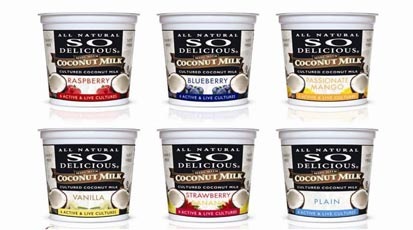
You can now buy coconut milk yogurt in Publix and your local health food store, but at 2.79 for 6 ounces AND having to buy all those little plastic cup thingies with it….blechh! And expensive. Mine comes out to 42 cents a serving! It takes me about 25 minutes to make a batch, 12 hours to ferment…and fresh yogurt the next day…
(of course you can double or triple this recipe)
2 cans (15 oz.) coconut milk (Make sure that you are using coconut milk with no preservatives, or you won’t grow the acidophilus culture.
3 T. of yogurt from last batch
1 T. gelatin
Sugar to taste (I use about a teaspoon per can of organic cane sugar)
Tools Needed:
6 one- cup canning jars for yogurt
 2 quart glass pitcher (I like this one from Pampered Chef)
4 cup Pyrex measuring cup or glass pitcher (needs to fit in microwave)
whisk
kitchen thermometer
Small lamp or light – I used this one the first time I made it, worked great. – 
Now- I use my crock pot base with a cooling rack on top, then sit the pot on that, wrap it in towels to insulate overnight. You’ll have to play with the settings to find out what setting holds it at 115°.
- First, take one can of coconut milk and pour it into the 2 qt. glass measuring bowl. Next, whisk in the sugar, then sprinkle the gelatin over the surface of the milk. Let it sit about 5 minutes, then whisk real well. Then microwave the milk in the glass bowl for approximately 60-90 seconds, until it is 140°.
- Now pour the second can into your 4 cup Pyrex measuring cup. Then microwave it for approximately 60-90 seconds. Take it out to check the temperature. It should be 110 degrees. If it has not yet reached the correct temperature, microwave it on 15 second intervals until it is.
- Add 3 tablespoons of store bought yogurt or from your last batch to the heated coconut milk in the Pyrex measuring cup and stir until it dissolves, and then add it to the coconut milk in the 2 quart glass bowl. Recheck the temperature, and if it is not still 115 degrees, place the bowl in the microwave, and bring it back to 115 degrees.
Now that you have the properly mixed yogurt base at the correct temperature, cover it with a plate and set it in the slightly warm oven (turn it on for about 2 minutes, then turn it off). Place a small lamp or turn your oven light on if you have the option, and place the yogurt in the oven. Or do the crock pot set-up and adjust til it stays at 115. I insulate inside with a tablecloth and wrap a towel around the outside.
Let the yogurt ferment for 8-14 hours. The longer you let it set, or the higher the temperature (it can go to 120°, but no higher), the firmer the yogurt will be. You can incubate at a higher temperature. Try 120F-125F. (but not over 128F) The bacteria are thermophilic, they love heat. The warmer temps get the bacteria working faster.
After the allotted time has passed, check the coconut milk yogurt. It will be runny, pour it into jars and let it cool off in the fridge for 2 to 3 hours before eating. It will get firmer a after a day.
Incubation time changes the taste results: Longer = more tart, Shorter=Less tart. Try shorter or longer times to find your desired amount of tartness.
Take Action!!!!
Posted: September 10, 2009 Filed under: Food and it's Impact on Our Health, Non-Toxic Choices Leave a commentDon’t Let Kellogg’s Buy Scientists: Froot Loops Aren’t a Healthy Breakfast
Send a letter today and tell all four doctors supporting the Smart Choices program to stop shilling for Kellogg’s. They, and the leaders of their respective institutions, need to hear that you think it is wrong for them to support any program that gives sugary cereals and other unhealthy foods a stamp of approval as healthy choices.

Insulin Resistance: The Real Culprit in Disease
Posted: September 9, 2009 Filed under: Food and it's Impact on Our Health 1 CommentSeveral years ago I had a client who was scheduled to have his second by-pass surgery. He had been told that if he did not follow through with this by-pass surgery, within two weeks he would be dead. He couldn’t walk from the car to the office without severe chest pain. He was on eight different medications for various things. But his first by-pass surgery was such a miserable experience he said he would rather just die than have to go through the second one and had heard that I might be able to prevent that.
To make a long story short, this man right now is on no insulin. I first saw him three and a half years ago. He plays golf four or five times a week. He is on no medications whatsoever, he has no chest pain, and he has not had any surgery.
Last year I saw a female client with severe osteoporosis. A fairly young woman, her doctor had put her on a high carbohydrate diet and told that would be of benefit, and placed on estrogen, which is a fairly typical treatment. They wanted to put her on some other medicines which she didn’t want; she wanted to know if there was an alternative. We got her to one standard deviation below the norm in a year, taking her off the estrogen she was on.
How did they achieve this degree of healing? A Traditional Human Diet; 50% calories from fat, 30% protein and 20% carbs (almost all carbs should come from low-glycemic vegetables).
Insulin in Chronic Disease
What would be the typical treatment of cardiovascular disease? First they check the cholesterol. High cholesterol over 200, they put you on cholesterol lowering drugs and what does it do? It shuts off your CoQ10. What does CoQ10 do? It is involved in the energy production and protection of little energy furnaces in every cell, so energy production goes way down. A common side effect of people who are on all these HMG co-enzyme reductase inhibitors is that they tell you their arms feel heavy. Well, the heart is a muscle too, and it’s going to feel heavy too. One of the best treatments for a weak heart is CoQ10 for congestive heart failure. But medicine has no trouble shutting CoQ10 production off so that they can treat a number (cholesterol figure).
The common therapies for osteoporosis are drugs
For cancer reduction there is nothing.
But all of these have a common cause.
The same cause as Aging. Yes, aging!
Aging
There are three major centenarian studies going on around the world. They are trying to find the variable that would confer longevity among these people. Why do centenarians become centenarians? Why are they so lucky? Is it because they have low cholesterol, exercise a lot, live a healthy, clean life? Well the longest recorded known person who has ever lived, Jean Calumet of France who died last year at 122 years, smoked all of her life and drank. What they are finding on these major centenarian studies is that there is hardly anything in common among them. They have high cholesterol and low cholesterol, some exercise and some don’t, some smoke, some don’t. Some are nasty and ornery as can be and some calm and nice.
But one thing is common; they all have low sugar, relatively for their age. They all have low triglycerides for their age. And they all have relatively low insulin. Insulin is the common denominator in everything I’ve just talked about. The way to treat cardiovascular disease, the way I treated the high risk cancer patient, and osteoporosis, high blood pressure, the way to treat virtually all the so-called chronic diseases of aging is to treat insulin itself.
The other major avenue of research in aging has to do with genetic studies of so-called lower organisms. We’ve the entire genes mapped out for several species of yeast and worms.
We think of life span as being fixed but in lower forms of life it is very plastic. Life span is strictly a variable depending on the environment. If there is a lot of food around they are going to reproduce quickly and die quickly, if not they will just bide their time until conditions are better.
We know now that the variability in life span is regulated by insulin.
Insulin is found as in even single celled organisms. It has been around for several billion years. And its purpose in some organisms is to regulate life span. The way genetics works is that genes are not replaced, they are built upon. We have the same genes as everything that came before us. We just have more of them. We have added books to our genetic library, but our base is the same. What we are finding is that we can use insulin to regulate lifespan too.
If there is a single marker for lifespan, as they are finding in the centenarian studies, it is insulin, specifically, insulin sensitivity or insulin resistance.
Insulin Resistance
Insulin resistance is the basis of all of the chronic diseases of aging.
In almost all cases if you treat a symptom, you are going to make the disease worse because the symptom is there as your body’s attempt to heal itself. The medical profession calls the symptoms diseases. Using Ear Nose and Throat medicine for example, that patient will walk out of there with a diagnosis of Rhinitis which is inflammation of the nose. Is there a reason that patient has inflammation of the nose? I think so. Wouldn’t that underlying cause be the disease as opposed to the descriptive term of Rhinitis or Pharyngitis? Some one can have the same virus and have Rhinitis or Pharyngitis, or Sinusitis; they can have all sorts of “itises” which is a descriptive term for inflammation. They treat what they think is the disease which is just a symptom.
It is the same thing with cholesterol. If you have high cholesterol it is called hypercholesterolemia. Hypercholesterolemia has become the code for the disease when it is only the symptom. So they treat that symptom and what are they doing to the heart? Messing it up.
If you are going to treat any disease, you need to get to the root of the disease. If you keep pulling a dandelion out by it’s leaves, you are not going to get very far. But the problem is that we don’t know what the root is, or we haven’t. They know what it is in many other areas of science, but the problem is that medicine really isn’t a science, it is a business.
It doesn’t matter what disease you are talking about, whether you are talking about a common cold or about cardiovascular disease, or osteoporosis or cancer, the root is always going to be at the molecular and cellular level, and I will tell you that insulin is going to have its hand in it, if not totally controlling it.
The Purpose of Insulin
As I mentioned, in some organisms it is to control their lifespan, which is important. What is the purpose of insulin in humans? If you ask your doctor, they will say that it’s to lower blood sugar and I will tell you right now, that is a trivial side effect. Insulin’s evolutionary purpose is to store excess nutrients.
Storing Fat
We come from a time of feast and famine and if we couldn’t store the excess energy during times of feasting, we would all not be here, because we all have had ancestors that encountered famine. So we are only here because our ancestors were able to store nutrients, and they were able to store nutrients because they were able to elevate their insulin in response to any elevation in energy rich foods that the organism encountered. When your body notices that the sugar is elevated, it is a sign that you’ve got more than you need right now, you are not burning it so it is accumulating in your blood. So insulin will be released to take that sugar and store it. How does it store it? Glycogen. Do you know how much glycogen you have in your body at any one time? Very little. All the glycogen stored in your liver and all the glycogen stored in your muscle if you had an active day wouldn’t last you the day. Once you fill up your glycogen stores how that sugar is stored? Saturated fat.
So the idea of the medical profession to go on a high complex carbohydrate, low saturated-fat diet is an absolute oxymoron, because those high complex carbohydrate diets are nothing but a high glucose diet, or a high sugar diet, and your body is just going to store it as saturated fat. The body makes it into saturated fat quite readily.
Building Muscle
It is an anabolic hormone. Body builders are using insulin now because it is legal, so they are injecting themselves with insulin because it builds muscle, it stores protein too.
Storing Magnesium
A lesser known fact is that insulin also stores magnesium. If your cells become resistant to insulin, since you can’t store magnesium so you lose it, in the urine. What is one of magnesium’s major roles? To relax muscles. Intracellular magnesium relaxes muscles. You lose magnesium and your blood vessels constrict, which increases blood pressure, and reduces energy since intracellular magnesium is required for all energy producing reactions that take place in the cell. But most importantly, magnesium is also necessary for the action of insulin. It is also necessary for the manufacture of insulin. So then you raise your insulin, you lose magnesium, and the cells become even more insulin resistant. Blood vessels constrict, glucose and insulin can’t get to the tissues, which makes them more insulin resistant, so the insulin levels go up and you lose more magnesium. This is the vicious cycle that goes on from before you were born.
Insulin sensitivity is going to start being determined from the moment the sperm combines with the egg. If your mother, while you were in the womb was eating a high carbohydrate diet which is turning into sugar, we have been able to show that the fetus in animals becomes more insulin resistant. Worse yet, we are able to use sophisticated measurements, and if that fetus happens to be a female, they find that the eggs of that fetus are more insulin resistant.
Retaining Sodium
What else does insulin do? We mentioned high blood pressure, if your magnesium levels go down you get high blood pressure. We mentioned that the blood vessels constrict and you get high blood pressure. Insulin also causes the retention of sodium, which causes the retention of fluid, which causes high blood pressure and fluid retention: congestive heart failure.
One of the strongest stimulants of the sympathetic nervous system is high levels of insulin. What does all of this do to the heart? Not very good things.
There was a study done a couple of years ago, that showed that heart attacks are two to three times more likely to happen after a high carbohydrate meal. They said specifically NOT after a high fat meal. Why is that? Because the immediate effects of raising your blood sugar from a high carbohydrate meal is to raise insulin and that immediately triggers the sympathetic nervous system which will cause arterial spasm, constriction of the arteries. If you take anybody prone to a heart attack and that is when they are going to get it.
Mediating blood lipids.
The way you control blood lipids is by controlling insulin. We won’t go into a lot of detail, but we now know that LDL cholesterol comes in several fractions, and it is the small, dense LDL that plays the largest role in initiating plaque. It’s the most oxidizable. It is the most able to actually fit through the small cracks in the endothelium. And that’s the one that insulin actually raises the most. When I say insulin, I should say insulin resistance. It is insulin resistance that is causing this.
Cells become insulin resistant because they are trying to protect themselves from the toxic effects of high insulin. They down regulate their receptor activity and number of receptors so that they don’t have to listen to that noxious stimuli all the time. It is like having this loud, disgusting rap music played and you want to turn the volume down. You might think of insulin resistance as like sitting in a smelly room and pretty soon you don’t smell it anymore because you get desensitized. It’s like you are starting to go deaf and your are telling others to speak up because you can’t hear them, so if I was your pancreas, I would just start talking louder, and what does that do to your hearing? You would become deafer.
Insulin Resistance Role in Heart Disease, Cancer and Osteoporosis
Insulin stimulates cells to divide. If all of the cells were to become resistant to insulin we wouldn’t have that much of a problem. The problem is that all of the cells don’t become resistant. Some cells are incapable of becoming very resistant. The liver becomes resistant first, then the muscle tissue, then the fat. When the liver becomes resistant insulin suppresses its production of sugar. When you wake up in the morning it is a reflection of how much sugar your liver has made. If your liver is listening to insulin properly it won’t make much sugar in the middle of the night. If your liver is resistant, those brakes are lifted and your liver starts making a bunch of sugar so you wake up with a bunch of sugar.
The next tissue to become resistant is the muscle tissue. Insulin allows your muscles to burn sugar for so if your muscles become resistant to insulin it can’t burn that sugar that was just manufactured by the liver. So the liver is producing too much, the muscles can’t burn it, and this raises your blood sugar.
Fat cells also become resistant, but not for a while. It is only after a while that they become resistant. It takes them longer. Liver first, muscle second, and then your fat cells. So for a while your fat cells retain their sensitivity. As people become more and more insulin resistant, their weight goes up. But eventually they plateau.
As all these major tissues become resistant, your liver, muscles and fat, your pancreas is putting out more insulin to compensate, so you are hyperinsulinemic and you’ve got insulin floating around all the time, 90 units, more. But there are certain tissues that aren’t becoming resistant such as your endothelium, the lining of the arteries do not become resistant very readily. So all that insulin is effecting the lining of your arteries.
Insulin floating around in the blood causes a plaque build up. Insulin causes endothelial proliferation, that’s the first step, it causes a tumor, an endothelial tumor. Insulin also causes the blood to clot too readily. Every step of the way, insulin’s got its fingers in it and is causing cardiovascular disease. It fills it with plaque, it constricts the arteries, it stimulates the sympathetic nervous system, it increases platelet adhesiveness and coaguability of the blood. Any known cause of cardiovascular disease, insulin is a part of.
I mentioned that insulin increases cellular proliferation, what does that do to cancer? It increases it. And there are some pretty strong studies that show that one of the strongest correlations to breast and colon cancers are with levels of insulin.
Hyperinsulinemia causes the excretion of magnesium in the urine. What other big mineral does it cause the excretion of? Calcium. What is the cause of osteoporosis? There are two major causes, one is a high carbohydrate diet which causes hyperinsulinemia. People walking around with hyperinsulinemia can take all the calcium they want by mouth and it’s all going to go out in their urine.
The medical profession just assume a Calcium supplement has a homing device and it knows to go into your bone. What happens if you high levels of insulin and you take a bunch of calcium? Most of it is just going to go out in your urine. You would be lucky if that were the case because that part which doesn’t does not have the instructions to go to your bone because the anabolic hormones aren’t working. This is first of all because of insulin, then because of the IGF’s from growth hormone, also testosterone and progesterone, they are all controlled by insulin and when they are insulin resistant they can’t listen to any of the anabolic hormones. So your body doesn’t know how to build tissue anymore, so some of the calcium may end up in your bone, but a good deal of it will end up everywhere else. Metastatic calcifications, including in your arteries.
Causes of Insulin Resistance- –
High Carbohydrate Diets
Any time your cell is exposed to insulin it is going to become more insulin resistant. That is inevitable, we cannot stop that, but the rate we can control. An inevitable sign of aging is an increase in insulin resistance. That rate is variable, if you can slow down that rate you can become a centenarian, and a healthy one. You can slow the rate of aging. Not just even the rate of disease, but the actual rate of aging itself can be modulated by insulin. We should be living to be 130, 140 years old routinely.
We talk about simple and complex carbohydrates, that is totally irrelevant, it means absolutely nothing. Carbohydrates are fiber or non-fiber. If you have a carbohydrate that is not a fiber it is going to be turned into a sugar, whether it be glucose or not. It may be fructose and won’t necessarily raise your blood glucose, but fructose is worse for you than glucose.
Throughout most of the history of life on Earth there was no oxygen. Organisms had to develop very specific mechanisms of dealing with high levels of oxygen before there could ever be life with oxygen. So we evolved very quickly, as plants arose and developed a very easy means of acquiring energy, they could just lay back and catch rays, and they dealt with that oxygen with the carbon dioxide by spitting it out, they didn’t want it around. So the oxygen in the atmosphere increased. All the other organisms then had to cope with that toxic oxygen. Many perished if they didn’t have ways of dealing with it. One of the earliest ways of dealing with all that oxygen was for the cells to huddle together, so that at least the interior cells wouldn’t be exposed to as much. So, multi-celled organisms arose after oxygen did. Of course, with that came the need for cellular communication.
Everyone knows that oxygen causes damage, but unfortunately, the press has not been as kind to publicize glycation. Glycation is the same as oxidation except substitute the word glucose. When you glycate something you combine it with glucose. Glucose combines with anything else really, it’s a very sticky molecule. Just take sugar on your fingers. It’s very sticky. It sticks specifically to proteins. So the glycation of proteins is extremely important. If it sticks around a while it produces what are called advanced glycated end products: AGEs.
That acronym is not an accident. Glycation damages the protein to the extent that white blood cells will come around and gobble it up and get rid of it, so then you have to produce more, putting more of a strain on your ability to repair and maintain your body.
That is the best alternative; the worst alternative is when those proteins that can’t turn over very rapidly get glycated, like collagen, or like a protein that makes up nerve tissue. These proteins cannot be gotten rid of, so the protein accumulates, and the AGEs accumulate and they continue to damage. That includes the collagen that makes up the matrix of your arteries. We know that there are receptors for AGEs, hundreds of receptors for every macrophage. They are designed to try to get rid of those AGEs, but what happens when a macrophage combines with an AGE product? It sets up an inflammatory reaction. We know that cardiovascular disease is an inflammatory process, any type of inflammation. You eat a diet that promotes elevated glucose, and you produce increased glycated proteins and AGEs, you are increasing your rate of inflammation of any kind. You get down to the roots of chronic illness, including arthritis, diabetes, headaches.
So we age and at least partially we accumulate damage by oxidation, and one of the most important types of tissues that oxygenate is the fatty component, the lipid, especially the poly-unsaturated fatty acids, they turn rancid. And they glycate, and the term for glycation in the food industry is carmelization. They use it all the time, that is how you make caramel. So the way we age is that we turn rancid and we carmelize.
Diet for Healing Insulin Resistance
Caloric Restriction. There are thousands of studies done since the fifties on caloric restriction. They restrict calories of laboratory animals. It has been known since the fifties that if you restrict calories but maintain a high level of nutrition, called “C.R.O.N.’s:” Caloric restriction with optimal nutrition, these animals can live anywhere between thirty and two-hundred percent longer depending on the species. They’ve done it on several dozen species and the results are uniform throughout. They are doing it on primates now and it is working with primates, we won’t know for sure for about another ten years, they are about half way through the experiment, our nearest relatives are also living much longer.
Nutrient Dense foods are key.
There are fifty-some essential nutrients to the human body. You know you need to breathe oxygen. It gives us life and it kills us. Same with glucose. Certain tissues require some glucose (which can be made from fat). It is essential. It gives us life and it kills us. We know that we have essential amino acids and we have essential fatty acids. They are essential for life, we better take them in as building blocks or we die. If we took all the essential nutrients that are known to man and computed the top ten foods that contain each nutrient that is required by the human body, grains would not come up in the top ten.
What is the minimum daily requirement for carbohydrates? ZERO. The food pyramid is based on a totally irrelevant nutrient.
Let’s back up even further? Why do we eat?
- To gather energy. The body stores excess energy as fat. Why does the body store it as fat? Because that is the body’s desired fuel. That is the fuel the body wants to burn and that will sustain you and allow you to live. The body can store only a little bit of sugar. In an active day you would die if you had to rely one-hundred percent on sugar.
- To replace tissue, to gather up building blocks for maintenance and repair.We need the building blocks and we need fuel, to have energy to obtain those building blocks and to fuel those chemical reactions to use those building blocks. So what are the building blocks that are needed? Proteins and Fatty acids. Not much in the way if carbohydrates. You can get all the carbohydrates you need from proteins and fats.
Sugar was never meant to be your primary energy source. Your brain will burn sugar, but it doesn’t have to, it can burn by-products of fat metabolism called ketones. You can get enough sugar that your brain needs actually from fat; just eating one-hundred percent fat. Two triglycerides will give you a molecule of glucose. Glucose was meant to be fuel used if you had to, in an emergency situation, expend and extreme amount of energy, such as running from a saber tooth tiger. It is a turbo charger, a very hot burning fuel, if you need fuel over and above what fat can provide you will dig into your glycogen and burn sugar. But your primary energy source as we are here right now should be almost all fat.
But what happens if you eat sugar. Your body’s main way of getting rid of it, because it is toxic, is to burn it. That which your body can’t burn your body will get rid of by storing it as glycogen and when that gets filled up your body stores it as fat. If you eat sugar your body will burn it and you stop burning fat.
When you are insulin resistant and you have a bunch of insulin floating around all the time, you wake up in the morning with an insulin of 90. How much fat are you going to be burning? Virtually none. What are you going to burn if not fat? Sugar coming from your muscle. So you have all this fat that you’ve accumulated over the years that your body is very adept at adding to. Every time you have any excess energy you are going to store it as fat, but if you don’t eat, you will still burn sugar because that is all your body is capable of burning anymore. Where is it going to get the sugar? Well you don’t store much of it in the form of sugar so it will take it from your muscle. That’s your body’s major depot of sugar. You just eat up your muscle tissue. Any time you have excess you store it as fat and any time you are deficient you burn up your muscle.
So where do carbohydrates come in? They don’t. There is no essential need for carbohydrates. SO why are we all eating carbohydrates? To keep the rate of aging up, we don’t want to pay social security to everyone..
I didn’t say you can’t have any carbs, I said fiber is good. Vegetables are great, I want you to eat vegetables. The practical aspect of it is that you are going to get carbs, but there is no essential need. The traditional Eskimo diet for most of the year subsists on almost no vegetables at all, but they get their vitamins from organ meats and things like eyeball which are a delicacy, or were. So, you don’t really need it, but sure, vegetables are good for you and you should eat them. They are part of the diet that I would recommend, and that is where you’ll get your vitamin C.
Fruit is a mixed blessing. You can divide food on a continuum. There are some foods that I really can’t say anything good about since there is no reason really to recommend them. And the other end of the spectrum are foods that are totally essential, like: Grass fed meat, organic cage free eggs, meat stocks made traditionally FROM SCRATCH, coconut oil, raw butter.
Sardines are a very good therapeutic food. They are baby fish so they haven’t had time to accumulate a bunch of metal. They are smoked so they are not cooked and the oil is not spoiled in them. You have to eat the whole thing. Not the boneless and skinless. You need to eat all the organs and they are high in vitamins and magnesium.
Acid/Alkaline
It is a high protein diet that will increase an acid load in the body, but not necessarily a high fat diet. Vegetables and greens are alkalinizing, so if you are eating a lot of vegetables along with your protein it equalizes the acidifying effect of the protein. I don’t recommend a high protein diet. I recommend an adequate protein diet. I think you should be using fat as your primary energy source, and fat is kind of neutral when it comes to acidifying or alkalinizing. In general, over 50% of the calories should come from fat. When we get to fat, the carbohydrates are clear cut, no scientist out there is really going to dispute what I’ve said about carbohydrates. There is the science behind it. You can’t dispute it. There is a little bit of a dispute as to how much protein a person requires. When you get to fat, there is a big grey area within science as to which fat a person requires. We just have one name for fat, we call it fat or oil. Eskimos have dozens of names for snow and east Indians have dozens of names for curry. We should have dozens of names for fat because they do many different things. And how much of which fat to take is still open to a lot of investigation and controversy.
Sugar and Hormones
We only have one hormone that lowers sugar, and that’s insulin. Its primary use was never to lower sugar. We’ve got a bunch of hormones that raise sugar, cortisone being one and growth hormone another, and epinephrine, and glucagon. Our primary evolutionary problem was to raise blood sugar to give your brain enough and your nerves enough and primarily red blood cells, which require glucose. So from an evolutionary sense if something is important we have redundant mechanisms. The fact that we only have one hormone that lowers sugar tells us that it was never something important in the past.
So you get this rush of sugar and your body panics, your pancreas panics and it stores, when it is healthy, insulin in these granules, ready to be released. It lets these granules out and it pours out a bunch of insulin to deal with this onslaught of sugar and what does that do? Well the pancreas generally overcompensates, and it causes your sugar to go down, and just as I mentioned, you have got a bunch of hormones then to raise your blood sugar, they are then released, including cortisone. The biggest stress on your body is eating a big glucose load. Then Epinephrine is released too, so it makes your nervous and it also stimulates your brain to crave carbohydrates, to seek out some sugar, my sugar is low. So you are craving carbohydrates, so you eat another bowl of cereal, or a big piece of fruit, you eat something else so that after your sugar goes low, and with the hormone release, and with the sugar cravings and carbohydrate craving your sugars go way up again which causes your pancreas to release more insulin and then it goes way down. Now you are in to this sinusoidal wave of blood sugar, which causes insulin resistance. Your body can’t stand that for very long. So you are constantly putting out cortisone.
The more hormones your cells are exposed to, the more resistant they will become to almost any hormone. Certain cells more than others, so there is a discrepancy. The problem with hormone resistance is that there is a dichotomy of resistance, that all the cells don’t become resistant at the same time. And different hormones affect different cells, and the rate of hormone is different among different cells and this causes lots of problems with the feedback mechanisms. We know that one of the major areas of the body that becomes resistant to many feedback loops is the hypothalamus.
Hypothalamic resistance to feedback signals plays a very important role in aging and insulin resistance because the hypothalamus has receptors for insulin too. I mentioned that insulin stimulates sympathetic nervous system, it does so through the hypothalamus, which is the center of it all.
Organic and Non-Toxic Beauty Products
Posted: September 9, 2009 Filed under: Skin Care Leave a commentReduce your cancer risk by cutting toxin exposure in your home and on your body.
 It might make you mad to know that you are a guinea pig for the effects of carcinogen exposure and its effects on the human body. You would be shocked to learn how many known – and suspected – carcinogens are you are using in your home and on your body!
A five-year EPA study of over 600 households revealed that contaminant levels in the average home are up to 70 times higher than those found outdoors!
The Environmental Working Group, a public interest research and advocacy organization, has revealed that more than one third of all personal care products contain at least one known carcinogen. The average woman is exposed to approximately 126 such chemicals on a daily basis. In combination, these products are even worse; some “penetration enhancing” skin care products, for example, allow harmful ingredients to be drawn further into the body.
Penetration enhancers have been used to effectively deliver patch drugs deeper and faster through the skin and into the blood vessels. Although rarely added to cosmetics for the purpose of enhancing penetration, many ingredients used in cosmetics are found to have penetration-enhancing properties. The concern with penetration enhancers in cosmetics lies not in the toxicity of the enhancer itself but in the fact that the enhancers open the skin to greater absorption of carcinogens, toxins, and other harmful chemicals that the product may contain.
My list of what I use.
I make my own facial cleanser with honey, baking soda, lavender oil, rose oil, sweet almond oil, Vitamin C, salicylic acid, a few drops of Dr. Bonner’s hemp soap, xantham gum. It cleans, perfectly, doesn’t strip the skin of essential oils, replenishes with oils that are good for the skin, exfoliates beautifully. It’s for sale on my web page- Optimum Nutrition. I also make distill lavender flowers, roses and calendula flowers for toners that nourish the skin. I have also posted the recipe on my business web page- Optimum Nutrition – Recipe of the Week.
EveryDay Minerals – Great powders, average packaging. GREAT prices!! And free samples, so you can try them. They let you order FIVE generous samples in different colors so you can find a match. I loved the three colors of powders, wasn’t so wild about the blushes, didn’t show hardly any color on the skin.
 Jane Iredale is pricey, but very clean and decadently elegant. I have a real problem with all the packaging and metal compacts and such…but ooohhh…I love her products. Her pressed powders are amazing. Lipsticks are clean and really stay put, but need gloss as they are very matte.
Evans Garden– ineffective cleansers and chalky powders, but the GREATEST facial moisturizers in the world. So clean you could eat them. They couldn’t be any higher quality, moisturize perfectly and are very affordable. And the owners are sweeties!
 Burt’s Bees has the best Lip Balm I’ve ever found. Replenishing Lip Balm with Pomegranate Oil is my favorite. They also
Aubrey Organics has wonderful Rosa Mosqueta Nourishing Shampoo and Conditioner. They are awesome for permed or colored hair. Their Rosa Mosqueta body lotion is the most luxurious and wonderful body lotion I have ever used! However a VERY close second is;
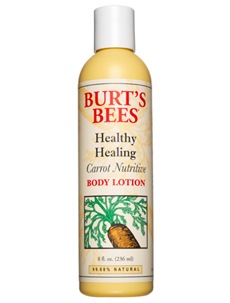
Burt’s Bees Carrot Moisturizer Lotion (the smell is a heavenly vanilla scent!).
Neem Farms Neem Powder- for toothpaste is my favorite. It’s whitening and anti-bacterial. I also use the Neem Mouthwash.
 Dr. Hauschka has my favorite lipstick, lip pencil and eye liner.
 Physician’s Formula Organicwear for mascara- non-gooey, doesn’t clump, stays on and comes off easy.
UVNaturals is the only sunscreen I have found that I am willing to put on my skin! I can even wear it under makeup. Recent medical research is indicating that certain sunscreen ingredients are in fact having a detrimental effect through cumulative use.
Best exfolient and fade treatment in the world- my daughter Rachel, an esthetician, taught me this- make a paste from baking soda and fresh lemon juice, apply as mask, leave on 15 to 20 minutes, re-wet with lemon juice if it starts to dry out. It fades brown spots and works as well as glycolics to exfoliate!
These ingredients can mimic oestrogen, create free radicals, or accelerate the production of free radicals in the body. The can also damage DNA within the cells.
When you go read the label on most of the personal care products that you are probably using, you will find parabens and phthalates. These chemicals have been definitively linked to breast cancer.
Organic Mascara, All Natural and I LIKE IT!
Posted: September 8, 2009 Filed under: Skin Care Leave a commentI have been trying to find a decent natural, organic mascara for 30 years! I finally did it; it’s not gooey, doesn’t clump and it stays on until I wash it off…and it washes off easily, I might add…no yanking out the eyelashes to get it off. YEAH!!!

Organic wear®
For more information about Organic wear®, visit www.organicwearmakeup.com.

Hypoallergenic. Safe for Sensitive Eyes and Contact Lens Wearers.
Organic wear® 100% Natural Origin Mascara
- Revolutionary 100% Natural Origin formula contains the purest ingredients and provides 5x Lash Boosting for lash length, volume & definition naturally.
- 100% Recyclable Eco-Brush defines each lash with ultra-soft plastic bristles.
- 100% Free of Harsh Chemicals, Synthetic Preservatives, Parabens, Clumping, Smudging, Flaking, Fibers & Dyes.
Shade: Ultra Black Organics Black Organics *
Directions
- Sweep mascara brush from lash base to tips.
- Apply multiple coats for added volume.
Ingredients
INGREDIENTS: CITRUS AURANTIUM DULCIS (ORANGE) FRUIT WATER*, GLYCERIN, IRON OXIDE, MICROCRYSTALLINE CELLULOSE, GLYCERYL STEARATE, WATER, BEESWAX*, JOJOBA ESTERS, TAPIOCA STARCH*, COPERNICIA CERIFERA (CARNAUBA) WAX*, STEARIC ACID, GLYCERYL CAPRYLATE, ALOE BARBADENSIS LEAF JUICE*, CELLULOSE GUM, CINNAMIC ACID, CUCUMIS SATIVUS (CUCUMBER) FRUIT EXTRACT*, GLYCINE SOYA (SOYBEAN) OIL*, HYDROLYZED ORYZA SATIVA (RICE) PROTEIN, MAGNESIUM ALUMINUM SILICATE, OLEA EUROPAEA (OLIVE) LEAF EXTRACT*, PHENYLALANINE. MAY CONTAIN: TITANIUM DIOXIDE *PRODUCED FROM ORGANIC FARMING.
Net Wt. 0.26Oz./7.5g
Price: $9.95
Broth is Beautiful
Posted: September 8, 2009 Filed under: Food and it's Impact on Our Health, In The Kitchen with Millie- How To's Leave a commentFrom Weston Price Foundation;
"Good broth will resurrect the dead," says a South American proverb. Said Escoffier: "Indeed, stock is everything in cooking. Without it, nothing can be done."
A cure-all in traditional households and the magic ingredient in classic gourmet cuisine, stock or broth made from bones of chicken, fish and beef builds strong bones, assuages sore throats, nurtures the sick, puts vigor in the step and sparkle in love life–so say grandmothers, midwives and healers. For chefs, stock is the magic elixir for making soul-warming soups and matchless sauces.
Meat and fish stocks play a role in all traditional cuisines-French, Italian, Chinese, Japanese, African, South American, Middle Eastern and Russian. In America, stock went into gravy and soups and stews. That was when most animals were slaughtered locally and nothing went to waste. Bones, hooves, knuckles, carcasses and tough meat went into the stock pot and filled the house with the aroma of love. Today we buy individual filets and boneless chicken breasts, or grab fast food on the run, and stock has disappeared from the American tradition.
Grandmother Knew Best
Science validates what our grandmothers knew. Rich homemade chicken broths help cure colds. Stock contains minerals in a form the body can absorb easily-not just calcium but also magnesium, phosphorus, silicon, sulphur and trace minerals. It contains the broken down material from cartilage and tendons–stuff like chondroitin sulphates and glucosamine, now sold as expensive supplements for arthritis and joint pain.
Fish stock, according to traditional lore, helps boys grow up into strong men, makes childbirth easy and cures fatigue. "Fish broth will cure anything," is another South American proverb. Broth and soup made with fishheads and carcasses provide iodine and thyroid-strengthening substances.
When broth is cooled, it congeals due to the presence of gelatin. The use of gelatin as a therapeutic agent goes back to the ancient Chinese. Gelatin was probably the first functional food, dating from the invention of the "digestor" by the Frenchman Papin in 1682. Papin’s digestor consisted of an apparatus for cooking bones or meat with steam to extract the gelatin. Just as vitamins occupy the center of the stage in nutritional investigations today, so two hundred years ago gelatin held a position in the forefront of food research. Gelatin was universally acclaimed as a most nutritious foodstuff particularly by the French, who were seeking ways to feed their armies and vast numbers of homeless in Paris and other cities. Although gelatin is not a complete protein, containing only the amino acids arginine and glycine in large amounts, it acts as a protein sparer, helping the poor stretch a few morsels of meat into a complete meal. During the siege of Paris, when vegetables and meat were scarce, a doctor named Guerard put his patients on gelatin bouillon with some added fat and they survived in good health.
The French were the leaders in gelatin research, which continued up to the 1950s. Gelatin was found to be useful in the treatment of a long list of diseases including peptic ulcers, tuberculosis, diabetes, muscle diseases, infectious diseases, jaundice and cancer. Babies had fewer digestive problems when gelatin was added to their milk. The American researcher Francis Pottenger pointed out that as gelatin is a hydrophilic colloid, which means that it attracts and holds liquids, it facilitates digestion by attracting digestive juices to food in the gut. Even the epicures recognized that broth-based soup did more than please the taste buds. "Soup is a healthy, light, nourishing food" said Brillant-Savarin, "good for all of humanity; it pleases the stomach, stimulates the appetite and prepares the digestion."
Attention to Detail
Stock or broth begins with bones, some pieces of meat and fat, vegetables and good water. For beef and lamb broth, the meat is browned in a hot oven to form compounds that give flavor and color–the result of a fusion of amino acids with sugars, called the Maillard reaction. Then all goes in the pot–meat, bones, vegetables and water. The water should be cold, because slow heating helps bring out flavors. Add vinegar to the broth to help extract calcium–remember those egg shells you soaked in vinegar until they turned rubbery.
Heat the broth slowly and once the boil begins, reduce heat to its lowest point, so the broth just barely simmers. Scum will rise to the surface. This is a different kind of colloid, one in which larger molecules–impurities, alkaloids, large proteins called lectins–are distributed through a liquid. One of the basic principles of the culinary art is that this effluvium should be carefully removed with a spoon. Otherwise the broth will be ruined by strange flavors. Besides, the stuff looks terrible. "Always Skim" is the first commandment of good cooks.
Two hours simmering is enough to extract flavors and gelatin from fish broth. Larger animals take longer–all day for broth made from chicken, turkey or duck and overnight for beef broth.
Broth should then be strained. The leavings, picked over, can be used for terrines or tacos or casseroles. Perfectionists will want to chill the broth to remove the fat. Stock will keep several days in the refrigerator or may be frozen in plastic containers. Boiled down it concentrates and becomes a jellylike fumée or demi-glaze that can be reconstituted into a sauce by adding water.
Cutting Corners
Research on gelatin came to an end in the 1950s because the food companies discovered how to induce Maillard reactions and produce meat-like flavors in the laboratory. In a General Foods Company report issued in 1947, chemists predicted that almost all natural flavors would soon be chemically synthesized. And following the Second World War, food companies also discovered monosodium glutamate (MSG), a food ingredient the Japanese had invented in 1908 to enhance food flavors, including meat-like flavors. Humans actually have receptors on the tongue for glutamate. It is the protein in food that the human body recognizes as meat.
Any protein can be hydrolyzed to produce a base containing free glutamic acid or MSG. When the industry learned how to make the flavor of meat in the laboratory, using inexpensive proteins from grains and legumes, the door was opened to a flood of new products including bouillon cubes, dehydrated soup mixes, sauce mixes, TV dinners and condiments with a meaty taste. "Homemade" soup in most restaurants begins with a powdered soup base that comes in a package or can and almost all canned soups and stews contain MSG, often found in ingredients called hydrolyzed porteins. The fast food industry could not exist without MSG and artificial meat flavors to make "secret" sauces and spice mixes that beguile the consumer into eating bland and tasteless food.
Short cuts mean big profits for producers but the consumer is short changed. When homemade stocks were pushed out by cheap substitutes, an important source of minerals disappeared from the American diet. The thickening effects of gelatin could be mimicked with emulsifiers but the health benefits were lost.
Most serious, however, were the problems posed by MSG, problems the industry has worked very hard to conceal from the public. In 1957, scientists found that mice became blind and obese when MSG was administered by feeding tube. In 1969, MSG-induced lesions were found in the hypothalamus region of the brain. Other studies all point in the same direction–MSG is a neurotoxic substance that causes a wide range of reactions, from temporary headaches to permanent brain damage.
Why do consumers react to factory-produced MSG and not to naturally occurring glutamic acid found in food? One theory is that the glutamic acid produced by hydrolysis in factories contains many isomers in the right-handed form, whereas natural glutamic acid in meat and meat broths contains only the left-handed form. L-glutamic acid is a precursor to neurotransmitters, but the synthetic form, d-glutamic acid, may stimulate the nervous system in pathological ways.
A "Brothal" in Every Town
Peasant societies still make broth. It is a necessity in cultures that do not use milk because only stock made from bones and dairy products provides calcium in a form that the body can easily assimilate. It is also a necessity when meat is a luxury item, because gelatin in properly made broth helps the body use protein in an efficient way.
Thus, broth is a vital element in Asian cuisines–from the soothing long-simmered beef broth in Korean soups to the foxy fish broth with which the Japanese begin their day. Genuine Chinese food cannot exist without the stockpot that bubbles perpetually. Bones and scraps are thrown in and mineral-rich stock is removed to moisten stir-frys. Broth-based soups are snack foods from Thailand to Manchuria.
Asian restaurants in the US are likely to take shortcuts and use a powdered base for sweet and sour soup or kung pau chicken but in Japan and China and Korea and Thailand, mom-and-pop businesses make broth in steamy back rooms and sell it as soup in store fronts and on street corners.
What America needs is healthy fast food and the only way to provide this is to put brothals in every town, independently owned brothals that provide the basic ingredient for soups and sauces and stews. And brothals will come when Americans recognize that the food industry has prostituted itself to short cuts and huge profits, shortcuts that cheat consumers of the nutrients they should get in their food and profits that skew the economy towards industrialization in farming and food processing.
Until our diners and carryouts become places that produce real food, Americans can make broth in their own kitchens. It’s the easy way to produce meals that are both nutritious and delicious-and to acquire the reputation of an excellent cook.
Sidebar Articles
Heads and Feet
If you’ve ever shopped in Europe, you’ve noticed that calves feet are displayed at the local butchers and chickens come with their heads and feet attached. Hooves, feet and heads are the most gelatinous portions of the animal and fetch high prices in traditional economies. In fact, Tysons exports the feet from American chickens to China. Jewish folklore considers the addition of chicken feet the secret to successful broth.
It’s hard to find these items in America. Asian and Latin American markets sometimes carry whole birds and some butchers in ethnic neighborhoods carry calves feet. If you have freezer space, you can buy frozen chicken feet and calves feet in bulk from meat wholesalers that cater to the restaurant trade. Have the butcher cut the calves feet into one-inch cubes and package them in 1-quart bags. For the most satisfactory results, use 2-4 chicken feet for chicken stock and about 2 pounds calves feet pieces for a large pot of beef stock.
Sauce Basics
Meat sauces are made from stocks that have been flavored and thickened in some way. Once you have learned the technique for making sauces-either clear sauces or thick gravies-you can ignore the recipe books and be guided by your imagination.
Reduction Sauces are produced by rapid boiling of gelatinous stock to produce a thick, clear sauce. The first step is to "deglaze" coagulated meat juices in the roasting pan or skillet by adding 1/2 cup to 1 cup wine or brandy, bringing to a boil and stirring with a wooden spoon to loosen pan drippings. Then add 3 to 4 cups stock, bring to a boil and skim. (Use chicken stock for chicken dishes, beef stock for beef dishes, etc.) The sauce may now be flavored with any number of ingredients, such as vinegar, mustard, herbs, spices, fresh orange or lemon juice, naturally sweetened jam, garlic, tomato paste, grated ginger, grated lemon rind, creamed coconut, whole coconut milk or cultured cream. Let sauce boil vigorously, uncovered, until reduced by at least one half, or until desired thickness is achieved. You may add about 1-2 teaspoons gelatin to promote better thickening, although this should be avoided by those with MSG sensitivities (as gelatin contains small amounts of MSG). Another way to thicken is to mix 2 tablespoons arrowroot powder with 2 tablespoons water. Gradually add this to the boiling sauce until the desired thickness is obtained. If sauce becomes too thick, thin with a little water. The final step in sauce-making is to taste and add sea salt if necessary.
Gravies are thickened with flour rather than by reduction. They are suitable for meats like roast chicken and turkey, which drip plenty of fat into the pan while cooking. After removing the roasting fowl and roasting rack, place pan on a burner. You should have at least 1/2 cup good fat drippings-if not, add some butter, goose fat or lard. Add about 1/2 cup unbleached flour to the fat and cook over medium high heat for several minutes, stirring constantly, until the flour turns light brown. Add 4 to 6 cups warm stock, bring to a boil and blend well with the fat-flour mixture, using a wire whisk. Reduce heat and simmer 10 minutes or so. Check for seasonings and add sea salt and pepper if necessary. You may also add herbs, cream, butter, whole coconut milk or creamed coconut.
Recipes
Chicken Stock
1 whole free-range chicken or 2 to 3 pounds of bony chicken parts, such as necks, backs, breastbones and wings*
gizzards from one chicken (optional)
2-4 chicken feet (optional)
4 quarts cold filtered water
2 tablespoons vinegar
1 large onion, coarsely chopped
2 carrots, peeled and coarsely chopped
3 celery stalks, coarsely chopped
1 bunch parsley
*Note: Farm-raised, free-range chickens give the best results. Many battery-raised chickens will not produce stock that gels.
If you are using a whole chicken, cut off the wings and remove the neck, fat glands and the gizzards from the cavity. Cut chicken parts into several pieces. (If you are using a whole chicken, remove the neck and wings and cut them into several pieces.) Place chicken or chicken pieces in a large stainless steel pot with water, vinegar and all vegetables except parsley. Let stand 30 minutes to 1 hour. Bring to a boil, and remove scum that rises to the top. Reduce heat, cover and simmer for 6 to 8 hours. The longer you cook the stock, the richer and more flavorful it will be. About 10 minutes before finishing the stock, add parsley. This will impart additional mineral ions to the broth.
Remove whole chicken or pieces with a slotted spoon. If you are using a whole chicken, let cool and remove chicken meat from the carcass. Reserve for other uses, such as chicken salads, enchiladas, sandwiches or curries. Strain the stock into a large bowl and reserve in your refrigerator until the fat rises to the top and congeals. Skim off this fat and reserve the stock in covered containers in your refrigerator or freezer.
Beef Stock
about 4 pounds beef marrow and knuckle bones
1 calves foot, cut into pieces (optional)
3 pounds meaty rib or neck bones
4 or more quarts cold filtered water
1/2 cup vinegar
3 onions, coarsely chopped
3 carrots, coarsely chopped
3 celery stalks, coarsely chopped
several sprigs of fresh thyme, tied together
1 teaspoon dried green peppercorns, crushed
l bunch parsley
Place the knuckle and marrow bones and optional calves foot in a very large pot with vinegar and cover with water. Let stand for one hour. Meanwhile, place the meaty bones in a roasting pan and brown at 350 degrees in the oven. When well browned, add to the pot along with the vegetables. Pour the fat out of the roasting pan, add cold water to the pan, set over a high flame and bring to a boil, stirring with a wooden spoon to loosen up coagulated juices. Add this liquid to the pot. Add additional water, if necessary, to cover the bones; but the liquid should come no higher than within one inch of the rim of the pot, as the volume expands slightly during cooking. Bring to a boil. A large amount of scum will come to the top, and it is important to remove this with a spoon. After you have skimmed, reduce heat and add the thyme and crushed peppercorns.
Simmer stock for at least 12 and as long as 72 hours. Just before finishing, add the parsley and simmer another 10 minutes. You will now have a pot of rather repulsive-looking brown liquid containing globs of gelatinous and fatty material. It doesn’t even smell particularly good. But don’t despair. After straining you will have a delicious and nourishing clear broth that forms the basis for many other recipes in this book.
Remove bones with tongs or a slotted spoon. Strain the stock into a large bowl. Let cool in the refrigerator and remove the congealed fat that rises to the top. Transfer to smaller containers and to the freezer for long-term storage.
Fish Stock
3 or 4 whole carcasses, including heads, of non-oily fish such as sole, turbot, rockfish or snapper
2 tablespoons butter
2 onions, coarsely chopped
1 carrot, coarsely chopped
several sprigs fresh thyme
several sprigs parsley
1 bay leaf
1/2 cup dry white wine or vermouth
1/4 cup vinegar
about 3 quarts cold filtered water
Ideally, fish stock is made from the bones of sole or turbot. In Europe, you can buy these fish on the bone. The fish monger skins and filets the fish for you, giving you the filets for your evening meal and the bones for making the stock and final sauce. Unfortunately, in America sole arrives at the fish market preboned. But snapper, rock fish and other non-oily fish work equally well; and a good fish merchant will save the carcasses for you if you ask him. As he normally throws these carcasses away, he shouldn’t charge you for them. Be sure to take the heads as well as the body-these are especially rich in iodine and fat-soluble vitamins. Classic cooking texts advise against using oily fish such as salmon for making broth, probably because highly unsaturated fish oils become rancid during the long cooking process.
Melt butter in a large stainless steel pot. Add the vegetables and cook very gently, about 1/2 hour, until they are soft. Add wine and bring to a boil. Add the fish carcasses and cover with cold, filtered water. Add vinegar. Bring to a boil and skim off the scum and impurities as they rise to the top. Tie herbs together and add to the pot. Reduce heat, cover and simmer for at least 4 hours or as long as 24 hours. Remove carcasses with tongs or a slotted spoon and strain the liquid into pint-sized storage containers for refrigerator or freezer. Chill well in the refrigerator and remove any congealed fat before transferring to the freezer for long-term storage.
 Sally Fallon is the author of Nourishing Traditions: The Cookbook that Challenges Politically Correct Nutrition and the Diet Dictocrats (with Mary G. Enig, PhD), a well-researched, thought-provoking guide to traditional foods with a startling message: Animal fats and cholesterol are not villains but vital factors in the diet, necessary for normal growth, proper function of the brain and nervous system, protection from disease and optimum energy levels. She joined forces with Enig again to write Eat Fat, Lose Fat, and has authored numerous articles on the subject of diet and health. The President of the Weston A. Price Foundation and founder of A Campaign for Real Milk, Sally is also a journalist, chef, nutrition researcher, homemaker, and community activist. Her four healthy children were raised on whole foods including butter, cream, eggs and meat.
Basic Recipe for Sauerkraut
Posted: September 8, 2009 Filed under: Food and it's Impact on Our Health Leave a comment
- 1 litre glass jar with plastic lid or spring lid
- 1 Cabbage Medium sized (1kg)
- 2 tablespoon sea salt
- 1 tablespoon of carraway seeds or fresh chopped dill.
Germans have always sliced the cabbage with a specially made machine and pounded them with a wooden mortar in a large crock to bruise the cell walls.
Grate cabbage with a hand grater or process in a food processor, then mix in a large food grade plastic bucket (get them at a hardware store) with the salt and Kefir whey. Pound with a meat mallet or wooden pounder of some kind. I’ve been known to use a pick handle, a clean one of course. Pound until the juices cause suction when you pull the pounder out of the mix.
Press the mixture into a clean glass jar using a wooden spoon. Press firmly until the juice rises to the top and covers the mixture, which it will do when it is pounded enough. Leave at least one inch or more of space at the top of the jar to allow for expansion.
Cover the kraut and store the jar in a cupboard for 3-5 days (depending on the ambient temperature) before transferring to the refrigerator. The sauerkraut may be consumed after a couple of weeks, though if you allow the fermentation process to continue for a month or so in the refrigerator you will be well rewarded with a most delicious flavor. I love sauerkraut at 4 months old.
As with all fermenting, follow your nose. If it smells putrid or you have any doubts about the quality, then discard the sauerkraut and start again.
From Nourished Magazine
Gluten Free Almond Shortbread Cookies
Posted: September 7, 2009 Filed under: In The Kitchen with Millie- How To's Leave a comment|
Try these tender butter cookies with some spring or summer fruit for a refreshing finale to any meal.
6 tablespoons (3/4 stick) chilled unsalted butter, cut into 8 pieces Preheat oven to 375°F. Place 9-inch-diameter metal pie pan in freezer to chill. Combine butter, brown sugar, vanilla and salt in processor. Blend until smooth, about 20 seconds. Add flour and arrowroot. Using on/off turns, process until dough clumps together. Press dough evenly onto bottom of chilled pie pan. Sprinkle almonds over; press almonds lightly into dough to adhere. Freeze until chilled, about 5 minutes. Bake shortbread until edges are golden brown, about 22 minutes. Transfer pan to rack. Cut warm shortbread into 8 wedges; cool completely in pan. (Can be prepared 1 day ahead. Cover; store at room temperature.)
|

The Best Roast Chicken You’ve Ever Had!
Posted: September 7, 2009 Filed under: In The Kitchen with Millie- How To's 1 CommentMy friend Ed stood in my kitchen recently and told me the chicken leg he was eating was the best chicken he’d ever had…and commented that he didn’t usually stand and eat in someone’s kitchen, but was overcome by the cooked to perfection bird. I figured I’d share it with ya’ll. Remember that Chicken Stock 101 article a tad back? This is how that stock starts out, roasted to where the skin is extremely crispy, but the meat, even the breast meat, is tender and juicy. The layer of butter, gelatin and fat in the bottom of the roasted pan is going to season my greens the coming week. I will eat fresh chicken the first night, pull it off the bones the second night and start the stock.
 My Recipe;
1 3 or 4 pound Organic Cage Free Chicken
2 Tablespoon Organic Butter
Kosher salt, fresh ground pepper and anything else you want; tonight I added minced garlic and fresh lemon zest…
Wash and dry the chicken. Pat dry. Reserve the innards. Preheat the oven to 450 degree oven. Melt the butter in the oven while it is preheating (might as well save the electricity..)..and then pour it over the chicken, rubbing with the back of a spoon to even it out. Then season the skin, place in oven for 25. Briefly open the door, turning the oven down to 300 degrees. 25 minutes later, turn it back up to 375, and roast until it reaches 170 degrees. Using an oven thermometer, stick it firmly into the thickest part of the breast, but not touching bone…Take it out of the oven, let in rest a few minutes and enjoy. Reserve everything; bones, pan drippings, fat. We’ll talk more tomorrow about that……
Local???
Posted: September 6, 2009 Filed under: Food and it's Impact on Our Health Leave a comment
Banners saying simply “Local” hang above the produce sections at some Wal-Marts. Don’t ask questions. Writes Mitchell: “The chain’s local food offerings are usually limited to a few of the main commodity crops of that particular state—peaches in Georgia or potatoes in Maine—and sit amid a sea of industrial food and other goods shipped from the far side


 Meal Delivery Service by Millie Barnes