Hearts of Palm and Avocado Salad with Lime Vinaigrette
Posted: September 12, 2019 Filed under: Recipes Leave a comment mhoenig – Own work
Hearts of Palm and Avocado Salad with Lime Vinaigrette
serves 4
1/3 cup lime juice
1/2 cup olive oil
1/4 cup white wine vinegar or rice vinegar
1/2 clove garlic — crushed
1 pinch salt
1 tiny pinch red pepper flakes
2 cans Hearts of Palm , salad cut
2 ripe California avocados
1 head butter lettuce
1 medium red onion — thin rings
1) combine first 5 ingredients together in blender for dressing. let sit for about 20 min.
2) Tear lettuces in bite size pieces. combine with the rest of the ingredients. Toss with salad dressing. Serve immediately
Study Shows How Serotonin and a Popular Anti-depressant Affect the Gut’s Microbiota
Posted: September 12, 2019 Filed under: Food and it's Impact on Our Health Leave a comment
A new study in mice led by UCLA biologists strongly suggests that serotonin and drugs that target serotonin, such as anti-depressants, can have a major effect on the gut’s microbiota—the 100 trillion or so bacteria and other microbes that live in the human body’s intestines.
Serotonin—a neurotransmitter, or chemical messenger that sends messages among cells—serves many functions in the human body, including playing a role in emotions and happiness. An estimated 90 percent of the body’s serotonin is produced in the gut, where it influences gut immunity.
The team—led by senior author Elaine Hsiao and lead author Thomas Fung, a postdoctoral fellow—identified a specific gut bacterium that can detect and transport serotonin into bacterial cells. When mice were given the antidepressant fluoxetine, or Prozac, the biologists found this reduced the transport of serotonin into their cells. This bacterium, about which little is known, is called Turicibacter sanguinis. The study is published this week in the journal Nature Microbiology.
“Our previous work showed that particular gut bacteria help the gut produce serotonin. In this study, we were interested in finding out why they might do so,” said Hsiao, UCLA assistant professor of integrative biology and physiology, and of microbiology, immunology and molecular genetics in the UCLA College; and of digestive diseases in the David Geffen School of Medicine at UCLA.
Hsiao and her research group reported in the journal Cell in 2015 that in mice, a specific mixture of bacteria, consisting mainly of Turicibacter sanguinis and Clostridia, produces molecules that signal to gut cells to increase production of serotonin. When Hsiao’s team raised mice without the bacteria, more than 50 percent of their gut serotonin was missing. The researchers then added the bacteria mixture of mainly Turicibacter and Clostridia, and their serotonin increased to a normal level.
That study got the team wondering why bacteria signal to our gut cells to make serotonin. Do microbes use serotonin, and if so, for what?
In this new study, the researchers added serotonin to the drinking water of some mice and raised others with a mutation (created by altering a specific serotonin transporter gene) that increased the levels of serotonin in their guts. After studying the microbiota of the mice, the researchers discovered that the bacteria Turicibacter and Clostridia increased significantly when there was more serotonin in the gut.
If these bacteria increase in the presence of serotonin, perhaps they have some cellular machinery to detect serotonin, the researchers speculated. Together with study co-author Lucy Forrest and her team at the National Institutes of Health’s National Institute of Neurological Disorders and Stroke, the researchers found a protein in multiple species of Turicibacter that has some structural similarity to a protein that transports serotonin in mammals. When they grew Turicibacter sanguinis in the lab, they found that the bacterium imports serotonin into the cell.
In another experiment, the researchers added the antidepressant fluoxetine, which normally blocks the mammalian serotonin transporter, to a tube containing Turicibacter sanguinis. They found the bacterium transported significantly less serotonin.
The team found that exposing Turicibacter sanguinis to serotonin or fluoxetine influenced how well the bacterium could thrive in the gastrointestinal tract. In the presence of serotonin, the bacterium grew to high levels in mice, but when exposed to fluoxetine, the bacterium grew to only low levels in mice.
“Previous studies from our lab and others showed that specific bacteria promote serotonin levels in the gut,” Fung said. “Our new study tells us that certain gut bacteria can respond to serotonin and drugs that influence serotonin, like anti-depressants. This is a unique form of communication between bacteria and our own cells through molecules traditionally recognized as neurotransmitters.”
The team’s research on Turicibacter aligns with a growing number of studies reporting that anti-depressants can alter the gut microbiota. “For the future,” Hsiao said, “we want to learn whether microbial interactions with antidepressants have consequences for health and disease.” Hsiao wrote a blog post for the journal about the new research.
More information: Thomas C. Fung et al. Intestinal serotonin and fluoxetine exposure modulate bacterial colonization in the gut, Nature Microbiology (2019). DOI: 10.1038/s41564-019-0540-4
This Hysteria Over Eggs is Absurd, They are Wonderful for you!
Posted: September 12, 2019 Filed under: Food and it's Impact on Our Health Leave a comment
For several years eggs were not the favorite food among researchers and nutritionists. This was during the low fat, low cholesterol hysteria of the 70’s through the early 90’s. This is because they were all convinced eggs contained high cholesterol, which harms the body.
This is simply not true.
Actually, the egg yolk offers plenty of nutrients and health benefits. Up to 90% of the egg’s calcium and iron are located in its yolk, which makes it totally healthy and recommended. On the other hand, the egg white offers some natural proteins, also significant for the human organism.
If you are still not convinced, read the top 10 eggs benefits and learn why eggs are, indeed, healthy:
- Eggs have nutrients you really need. – This means, more energy, more activity and more everything. Just one medium-sized egg, contains 6g of high-quality protein and plenty of essential nutrients. It does not contain vitamin C, though. So, for best results, always combine it with fruit. As breakfast, this may be the ideal combo.
Full of significant compounds, eggs are the product to consume all the time. People who avoid eggs are more likely to suffer Vitamin A, Vitamin E, and Vitamin B12 deficiency. Along with other nutrients, eggs bring in 10-20% of folate and 20-30% of Vitamin A, Vitamin E, and Vitamin B12.
2. Eggs increase the iron levels- A lack of iron in the system is often causes by tiredness, headaches and irritability. Iron has the role of carrying the oxygen to the blood, which makes it one important mineral. Also, it encourages the immunity and takes care of the overall health. One egg yolk contains iron in the form of heme iron. This is the type of iron that absorbed all nutrients faster than any other kind of iron. Even experts assure that this iron absorbs more nutrients than iron supplements.
3 . Eggs stabilize the cholesterol- Unfortunately, eggs were targeted as high cholesterol products (210mg per egg yolk). However, studies have compared the egg consumption with the coronary heart disease. Other foods, higher in fat, particularly trans fatty acids do worst job for the body than an egg yolk would. So feel free to consume them regularly and feel the major benefits they bring along.
5. Eggs provide weight loss qualities- Eggs have 50% higher satiety index than any other breakfast you would choose. Starting the day off with eggs will boost the satiety in overweight people and encourage weight loss.
6. Eggs improve brain functions- Eggs contain a nutrient called choline, which is responsible for strengthening the brain and improving the memory. One egg gives about 28% of a pregnant woman’s choline requirement. So, being especially important for pregnant women and breastfeeding, eggs are a huge YES for you.
7. Eggs ameliorate the vision and prevent cataracts- According to doctors, if you increase your intake of eggs, spinach, and broccoli, you will reduce the chances for cataracts (up to a 20% decrease) and other vision problems. It even deals with blindness in seniors (up to a 40% decrease). Full of antioxidants and nutrients, eggs give a solid content of lutein and zeaxanthin, carotenoid vitamins which take care of the eyesight. The carotenoids keep the eyes safe from sunlight exposure and decrease the risk for cataracts by up to 50%.
8. Eggs are a very healthy protein- Proteins are essential to leading a healthy lifestyle and keeping diet on point. Normally, the human body uses the protein to build new and repair old muscle tissue. Additionally amino acids represent the building blocks of protein. Nine of these amino acids have to come through diet so they keep the body safe. Eggs contain nine of these essential amino acids, which help the tissues regenerate and strengthen.
Note: egg, milk, meat and fish proteins are all proteins. Out of these four, eggs are the best choice. Eggs have a rating of 100. Unlike eggs, milk is rated at 93 and fish and beef at 75. If you eat just one medium-sized egg you will make up for protein, just as if you ate 30g cooked meat, fish or poultry?
9. Eggs improve bone structure- Another vitamin in eggs is vitamin D. This one is very significant for absorbing calcium and preserving the bones. Therefore, eggs can reduce symptoms of osteoporosis and the same is true for dairy products.
10. Eggs take care of the hair and nails- The hair and nails are the first body parts which show lack of a vitamin or mineral. By consuming eggs you will provide both with high content of Sulfur, amino acids and the plenty of vitamins and minerals. People have said that by consuming eggs they improved the structure of their hair and nails- this is achieved by eating eggs and other products high in zinc, Sulfur, vitamin B12 and vitamin A.
Just like everything else, the consumption with eggs should also be moderate. Only 2 to 3 eggs per day are enough to get the desired results and improve your quality of life.
The Importance of Saturated Fats for Biological Functions
Posted: September 8, 2019 Filed under: Food and it's Impact on Our Health Leave a commentNote From Millie– In many ways vegetarians are healthier than most people who follow the standard American Diet. BUT, eliminating all animal protein is not goof for you because you will not be able to meet all of your nutrient needs, especially for Saturated fats. The ideal diet should consist of a small amount (4 ounces twice a day) of high quality animals proteins such as seafood and eggs, with chicken and beef eaten only occasionally. The main reason vegetarian diets are way healthier than most is that their focus is on mostly fruits and veggies- the only place you get a true depth of nutrients, enzymes and phytochemicals. And because this diet gives you healthy gut biome, the key to brain and body health. This does not include a vegan diet, which is dangerous long term. Butter should be included in every diet, daily. Making and using ghee is healthier than using whole butter.

Many people recognize that saturated fats are needed for energy, hormone production, cellular membranes and for organ padding. You may be surprised to learn that certain saturated fatty acids are also needed for important signaling and stabilization processes in the body.
Signaling processes work in the cells at the level of the membrane proteins, many of which are called G-protein receptors. The G-protein receptors become stimulated by different molecules and can be turned off or on in a manner similar to a binary light switch, which remains on for a limited time and then flips itself off until it is stimulated again.
The saturated fatty acids that play important roles in these processes are the 16-carbon palmitic acid, the 14-carbon myristic acid and the 12-carbon lauric acid. These saturated fatty acids are found in certain food fats. Palmitic acid, for example, comprises 45 percent of palm oil and about 25 percent of animal fats. Furthermore, the body makes palmitic acid out of excess carbohydrates and excess protein.
A biochemical process called palmitoylation, in which the body uses palmitic acid in stabilization processes, although not very well known, is very important to our health.
When these important saturated fatty acids are not readily available, certain growth factors in the cells and organs will not be properly aligned. This is because the various receptors, such as G-protein receptors, need to be coupled with lipids in order to provide localization of function.
The messages that are sent from the outside of the cell to the inner part of the cell control many functions including those activated by, for example, adrenaline in the primitive mammalian fight/flight reactions. When the adrenal gland produces adrenaline and the adrenaline (beta-adrenergic) receptor communicates with the G-protein and its signal cascade, the parts of the body are alerted to the need for action; the heart beats faster, the blood flow to the gut decreases while the blood flow to the muscles increases and the production of glucose is stimulated.
The G-proteins come in different forms; the alpha subunit is covalently linked to myristic acid and the function of this subunit is important for turning on and off the binding to an enzyme called adenylate cyclase and thus the amplification of important hormone signals.
When researchers looked at the fatty acid composition of the phospholipids in the T-cells (white blood cells), from both young and old donors, they found that a loss of saturated fatty acids in the lymphocytes was responsible for age-related declines in white blood cell function. They found that they could correct cellular deficiencies in palmitic acid and myristic acid by adding these saturated fatty acids.
Most Westerners consume very little myristic acid because it is provided by coconut oil and dairy fats, both of which we are told to avoid. But myristic acid is a very important fatty acid, which the body uses to stabilize many different proteins, including proteins used in the immune system and to fight tumors. This function is called myristoylation; it occurs when myristic acid is attached to the protein in a specific position where it functions usefully. For example, the body has the ability to suppress production of tumors from lung cancer cells if a certain genetically determined suppressor gene is available. This gene is called fus1 and is a protein that has been modified with covalent addition of the saturated fatty acid myristic acid. Thus, the loss of myristic acid from the diet can have unfortunate consequences, including cancer and immune system dysfunction.
Lauric acid has several functions. It is an antimicrobial fatty acid on its own and as a monoglyceride. It also has the function of stabilization when it is attached to certain proteins in a similar fashion to myristic acid and palmitic acid.
Stearic acid is the 18-carbon saturated fatty acid. The main sources are animal tallows, which contain about 20-25 percent stearic acid, and chocolate, which contains about 35 percent stearic acid. In other foods it occurs only on levels of 1-2 percent.
How much total saturated do we need? During the 1970s, researchers from Canada found that animals fed rapeseed oil and canola oil developed heart lesions. This problem was corrected when they added saturated fat to the animals diets. On the basis of this and other research, they ultimately determined that the diet should contain at least 25 percent of fat as saturated fat. Among the food fats that they tested, the one found to have the best proportion of saturated fat was lard, the very fat we are told to avoid under all circumstances!
These are some of the complex but vital reasons we need to include Organic palm oil, coconut oil, butter and lard in our diets.
Deadly superbug outbreak in humans linked to antibiotic spike in cows
Posted: September 8, 2019 Filed under: Food and it's Impact on Our Health Leave a commentNote from Millie- Please buy and eat only grass fed or organic meat!
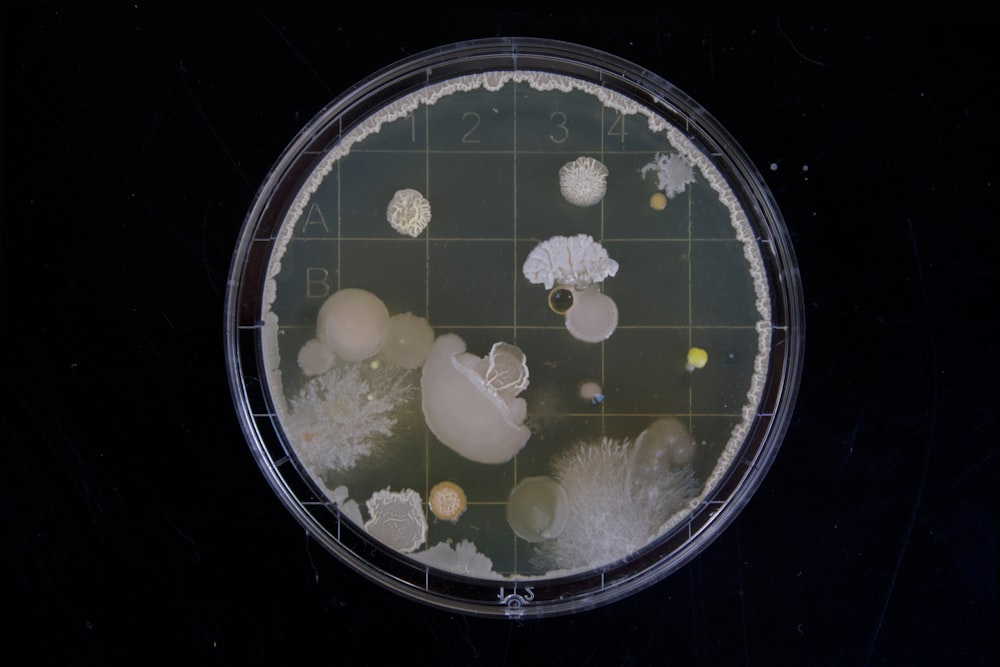
A deadly outbreak of multi-drug resistant Salmonella that sickened 225 people across the US beginning in 2018 may have been spurred by a sharp rise in the use of certain antibiotics in cows a year earlier, infectious disease investigators reported this week.
From June 2018 to March of 2019, officials at the Centers for Disease Control and Prevention identified an outbreak of Salmonella enterica serotype Newport. The strain was resistant to several antibiotics, most notably azithromycin—a recommended treatment for Salmonella enterica infections. Before the outbreak, azithromycin-resistance in this germ was exceedingly rare. In fact, it was only first seen in the US in 2016.
Yet in the 2018-2019 outbreak, it reached at least 225 people in 32 states. Of those sickened, at least 60 were hospitalized and two died. (Researchers didn’t have complete health data on everyone sickened in the outbreak.)
Infectious disease researchers investigating the cases traced the infections back to beef from the US and soft cheeses from Mexico (mostly queso fresco, which is typically made from unpasteurized milk). Genetic testing suggests that cows in both countries are carrying the germ.
In a report published August 23 by the CDC, the investigators note that just a year earlier, the Food and Drug Administration recorded a spike in the use of antibiotics called macrolides by cattle farmers. From 2016 to 2017, cattle farmers increased their use of macrolide antibiotics by 41%. Macrolides are a class of antibiotics that includes azithromycin. Because antibiotics within a class work to kill bacteria in similar ways, bacterial resistance to one drug in a class could lead to resistance to other drugs in the same class.
The investigators suggest that the surge in macrolide use could have encouraged the rise and spread of the azithromycin-resistant Newport strain.
“Because use of antibiotics in livestock can cause selection of resistant strains, the reported 41% rise in macrolide use in US cattle from 2016 to 2017 might have accelerated carriage of the outbreak strain among US cattle,” they wrote.
“Avoiding the unnecessary use of antibiotics in cattle, especially those that are important for the treatment of human infections, could help prevent the spread of [multi-drug resistant] Newport with decreased susceptibility to azithromycin.”
In recent years, around 70% of all medically important antibiotics in the US have been sold for use in animals. Public health advocates say agricultural use of antibiotics should be reduced significantly to preserve the effectiveness of the drugs.
To reduce the risk of infections—drug resistant or not—health officials advise consumers not to eat cheeses made from unpasteurized milk and to make sure beef reaches safe cooking temperatures: 145°F (62.8°C) for steaks and roasts followed by a 3-minute rest time, and 160°F (71.1°C) for ground beef or hamburgers.
Glycerin and Silicones in Skin Care and My Skin Care Regimen.
Posted: August 31, 2019 Filed under: Food and it's Impact on Our Health, Non-Toxic Choices, Skin Care Leave a comment
For years I have made many of my own skin care products; dry oils for oil cleaning my face, Honey-Baking Soda Cleanser. Recently I had an allergic reaction to a new, supposedly all natural, product. However the first ingredient was butylene glycol. My whole neck was blistered the day after using it, and quickly peeled and dried out. I avoided got it calmed down with fresh aloe and in about 4 days it was was way better. A week later I used a product that had a small amount of propylene glycol. Remember these ingredients were in organic products. So I realized what was causing it and began eliminating those products from my skin care.
I then used a very mild product that had glycerin, and while I didn’t break out I did itch on my neck for a few days. Now, glycerin is a very rare allergen, but it did annoy my skin.
So I began looking for organic products that really were clean. I learned that almost every skin care products that was listed as organic and all natural had these ingredients!
Butylene glycol is basically anti-freeze. These type of products are used a humectants and as solvents. Because they are solvents, manufacturers of beauty products use them to help their products be absorbed in to our skin. And they are humectants, but remember humectants draw water from their surroundings, as WELL AS FROM OUR SKIN! They feel luxurious when we first put them on our skin, they give the product that “slip” that make them go on smoothly. But within about a half an hour we notice our skin feels dry. So put on more. And these products do nothing to actually nourish our skin, they just sit on the surface. The same as silicones do.
However you do not have to make your own products! There are many product lines out there that do a great job and are truly clean. Just because a label says “all natural” or “organic” that does not mean that they are good for your skin or do not have ingredients that will irritate your skin.
I have stopped using any product with glycerin, however it is hard to find products without it! HERE is a great article on why you should avoid glycerin.
Here is my daily routine-
AM- Cleanser- I use one that I make myself from honey, baking soda, almond oil, geranium oil, sea buckthorn oil, lavender oil,willow bark (calming and healing for skin).
You can buy it here– Skin Cleanser.
In the morning I use a product from Evan’s Garden called Crème’ Rose. I have been using this for about 15 years.
I then use Amazonian Clay Facial Powder, I then use Peter Thomas Roth powder Sunscreen.
I also use Zuzu Cosmetics lipsticks, Jane Iredale Mascara, Zuzu eye shadows, and Iniki Organic Eyeliner.
Evening Skin Care- I oil cleanse to take off makeup by using a blend of dry oils- sea buckthorn oil, grape seed oil, squalane, jojoba oil. I massage it in for a few minutes and then wipe off with cotton balls, then wipe gently with a warm washcloth. I then use a cream cleanser called Nourish Organic Moisturizing Face Cleanser, Watercress & Cucumber, then rinse really well. I then use a toner made with willow bark, calendula, rose water and aloe. I make it myself every few weeks. I mix Vitamin C powder with my moisturizer for daytime use.
I then use Retin-A, prescription strength, and have been using it since I was 38 years old. I am now 66. Here is what my skin looks like!

I wait about 15 minutes after applying it and then use moisturizer- at night I use Golden Phae Restorative Day and Night Moisturizer. I also use their Eye Cream on my eyes and neck.
Once a week I use a mask that I make myself, it contains Matcha tea, red seaweed powder, papaya enzyme and rice powder.
Of course, the BEST skin care comes from within, making sure our gut biome is healthy, eating lots of fruits and veggies, eliminating fast food and processed foods, eating a moderate amount of proteins (eggs in the morning, fruits and veggies all day, more fruits and veggies with a salad and sweet potatoes at night and about 5 ounces of seafood ,preferably cold water fish). Avoid sugar, drink no cold drinks, drink a moderate amount of water. No grains or dairy. That’s it, it’s that simple.
Dietary Choline Associates with Reduced Risk of Dementia- Yes, you Should Be Eating Eggs!
Posted: August 24, 2019 Filed under: Food and it's Impact on Our Health Leave a commentNote from Millie- This study shows another reason that vegan diets are dangerous. We definably need eggs and meat in our diet. Eggs are an ideal form of protein, inexpensive, easy to digest, extremely versatile and taste great!

#mealdeliveryservice, #jax,#lactosefree,#glutenfree,#JacksonvilleFL,#nutritioncoaching
A new study by researchers at the University of Eastern Finland is the first to observe that dietary intake of phosphatidylcholine is associated with a reduced risk of dementia. Phosphatidylcholine was also linked to enhanced cognitive performance. The main dietary sources of phosphatidylcholine were eggs and meat. The findings were published in the American Journal of Clinical Nutrition.
Choline is an essential nutrient, usually occurring in food in various compounds. Choline is also necessary for the formation of acetylcholine, which is a neurotransmitter. Earlier studies have linked choline intake with cognitive processing, and adequate choline intake may play a role in the prevention of cognitive decline and Alzheimer’s disease. In fact, choline is nowadays used in a multinutrient medical drink intended for the treatment of early Alzheimer’s.
The new study now shows that the risk of dementia was 28% lower in men with the highest intake of dietary phosphatidylcholine, when compared to men with the lowest intake. Men with the highest intake of dietary phosphatidylcholine also excelled in tests measuring their memory and linguistic abilities. These findings are significant, considering that more than 50 million people worldwide are suffering from a memory disorder that has led to dementia, and the number is expected to grow as the population ages. Alzheimer’s disease is the most common cause of dementia, for which no cure currently exists. The new findings may, therefore, play a vital role in the prevention of dementia. Successful dementia prevention is a sum of many things and in this equation, even small individual factors can have a positive effect on the overall risk, possibly by preventing or delaying the disease onset.
“However, this is just one observational study, and we need further research before any definitive conclusions can be drawn,” Maija Ylilauri, a PhD Student at the University of Eastern Finland points out.
The data for the study were derived from the Kuopio Ischaemic Heart Disease Risk Factor Study, KIHD. At the onset of the study in 1984-1989, researchers analysed approximately 2,500 Finnish men aged between 42 and 60 for their dietary and lifestyle habits, and health in general. These data were combined with their hospital records, cause of death records and medication reimbursement records after an average follow-up period of 22 years. In addition, four years after the study onset, approximately 500 men completed tests measuring their memory and cognitive processing. During the follow-up, 337 men developed dementia.
The analyses extensively accounted for other lifestyle and nutrition related factors that could have explained the observed associations. In addition, the APOE4 gene, which predisposes to Alzheimer’s disease and is common in the Finnish population, was accounted for, showing no significant impact on the findings. The key sources of phosphatidylcholine in the study population’s diet were eggs (39%) and meat (37%).
Story Source:
Materials provided by University of Eastern Finland. Note: Content may be edited for style and length.
Journal Reference:
- Maija P T Ylilauri, Sari Voutilainen, Eija Lönnroos, Heli E K Virtanen, Tomi-Pekka Tuomainen, Jukka T Salonen, Jyrki K Virtanen. Associations of dietary choline intake with risk of incident dementia and with cognitive performance: the Kuopio Ischaemic Heart Disease Risk Factor Study. The American Journal of Clinical Nutrition, 2019; DOI: 10.1093/ajcn/nqz148
Frying Oil Consumption Worsened Colon Cancer and Colitis in Mice, Study Shows
Posted: August 24, 2019 Filed under: Food and it's Impact on Our Health Leave a commentNote from Millie- Please note that this study is talking about frying with OILS, not Fats! Vegetable oils should not be heated, or heated very gently! Pan searing or cooking in olive oil is fine as long as you are using low heat. FATS such as butter, ghee, chicken fat, beef and duck fat…these fats arte wheat you should be using for frying! They can withstand higher cooking temps with becoming carcinogenic or changes in the oils that lead to plaque in the arteries. Have you ever burnt vegetable oil in a pan, it becomes extremely sticky and is hard to scrub out of the pan. No so, butter!
 Photo by JC Gellidon on Unsplash
Food scientists have shown that feeding frying oil to mice exaggerated colonic inflammation, enhanced tumor growth and worsened gut leakage, spreading bacteria or toxic bacterial products into the bloodstream.
Foods fried in vegetable oil are popular worldwide, but research about the health effects of this cooking technique has been largely inconclusive and focused on healthy people. For the first time, UMass Amherst food scientists set out to examine the impact of frying oil consumption on inflammatory bowel disease (IBD) and colon cancer, using animal models.
In their paper published Aug. 23 in Cancer Prevention Research, lead author and Ph.D. student Jianan Zhang, associate professor Guodong Zhang, and professor and department head Eric Decker showed that feeding frying oil to mice exaggerated colonic inflammation, enhanced tumor growth and worsened gut leakage, spreading bacteria or toxic bacterial products into the bloodstream.
“People with colonic inflammation or colon cancer should be aware of this research,” says Jianan Zhang.
Guodong Zhang, whose food science lab focuses on the discovery of new cellular targets in the treatment of colon cancer and how to reduce the risks of IBD, stresses that “it’s not our message that frying oil can cause cancer.”
Rather, the new research suggests that eating fried foods may exacerbate and advance conditions of the colon. “In the United States, many people have these diseases, but many of them may still eat fast food and fried food,” says Guodong Zhang. “If somebody has IBD or colon cancer and they eat this kind of food, there is a chance it will make the diseases more aggressive.”
For their experiments, the researchers used a real-world sample of canola oil, in which falafel had been cooked at 325 F in a standard commercial fryer at an eatery in Amherst, Massachusetts. “Canola oil is used widely in America for frying,” Jianan Zhang says.
Decker, an expert in lipid chemistry performed the analysis of the oil, which undergoes an array of chemical reactions during the frying process. He characterized the fatty acid profiles, the level of free fatty acids and the status of oxidation.
A combination of the frying oil and fresh oil was added to the powder diet of one group of mice. The control group was fed the powder diet with only fresh oil mixed in. “We tried to mimic the human being’s diet,” Guodong Zhang says.
Supported by grants from the U.S. Department of Agriculture, the researchers looked at the effects of the diets on colonic inflammation, colon tumor growth and gut leakage, finding that the frying oil diet worsened all the conditions. “The tumors doubled in size from the control group to the study group,” Guodong Zhang says.
To test their hypothesis that the oxidation of polyunsaturated fatty acids, which occurs when the oil is heated, is instrumental in the inflammatory effects, the researchers isolated polar compounds from the frying oil and fed them to the mice. The results were “very similar” to those from the experiment in which the mice were fed frying oil, suggesting that the polar compounds mediated the inflammatory effects.
While more research is needed, the researchers hope a better understanding of the health impacts of frying oil will lead to dietary guidelines and public health policies.
“For individuals with or prone to inflammatory bowel disease,” Guodong Zhang says, “it’s probably a good idea to eat less fried food.”
#mealdeliveryservice, #jax,#lactosefree,#glutenfree,JacksonvilleFL,#nutritioncoaching
Story Source:
Materials provided by University of Massachusetts at Amherst. Note: Content may be edited for style and length.
Journal Reference:
- Jianan Zhang, Xijing Chen, Ran Yang, Qin Ma, Weipeng Qi, Katherine Z. Sanidad, Yeonhwa Park, Daeyoung Kim, Eric A. Decker, Guodong Zhang. Thermally processed oil exaggerates colonic inflammation and colitis-associated colon tumorigenesis in mice. Cancer Prevention Research, 2019; DOI: 10.1158/1940-6207.CAPR-19-0226
The False Promise of Fish Oil Supplements
Posted: August 22, 2019 Filed under: Food and it's Impact on Our Health Leave a commentNote from Millie– Americans love shortcuts, easy answers, quick results. But there are NO shortcuts to health; you have to eat correctly and exercise! I have always taught my clients that vitamin supplements are to help repair from deficiencies only. They will not build health or make you appreciate healthier. AND you should never, ever take oil soluble vitamins unless you need them to save your life, as in short term use of Vitamin D.
The oils that you are taking in supplements are rancid, therefore are rancid, rendering them carcinogenic. Nature puts oils in nice little packets to keep them fresh; the foods they came in- avocado, nuts and seeds, fish, green leafies, etc. So eat the whole foods themselves, not processed parts of them.
After decades of promises that they “may work” to reduce cardiovascular disease, the lack of a demonstrated benefit leads me to conclude that consumers are wasting their money.
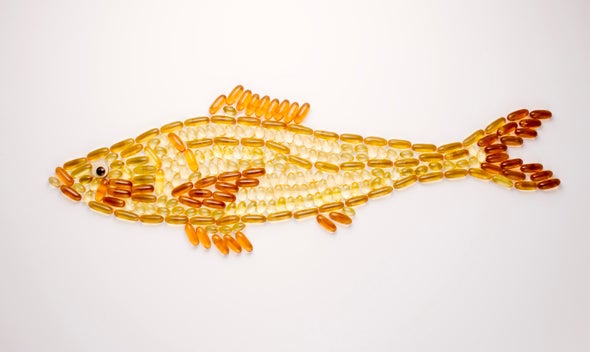
Credit: Getty Images
Every 38 seconds, someone in the U.S. dies from cardiovascular disease. Even more worrisome: deaths from cardiovascular disease have been rising dramatically since 2011 following years of decline. Strokes, heart attacks and other cardiovascular events cause great suffering and are an enormous health care burden.
These statistics are particularly troubling because each month, approximately 19 million people in the U.S. take fish oil supplements, many in the hopes of preventing heart disease—despite the absence of reliable evidence that such supplements (also called omega-3 fatty acid supplements) prevent cardiovascular disease and its serious consequences. To the contrary, all studies of fish oil supplements conducted to date have failed to show any significant clinical benefits beyond those of standard-of-care therapy.
Consumers have been told so many times that dietary fish oil supplements promote heart health that it seems to be accepted as factual. But this conventional thinking is not supported by the science. After decades of promises that fish oil “may work,” the lack of demonstrated benefit leads me to conclude that consumers are wasting their money on supplements in an effort to reduce cardiovascular risk.
A summary of all the evidence was recently published in the prestigious medical publication Annals of Internal Medicine. This review, published July 9, 2019, examined the effectiveness of 24 supplements and diets in preventing cardiovascular disease. The authors evaluated nine systematic reviews and four randomized controlled trials, which encompassed 277 trials and 992,129 participants. Findings indicated that few nutritional supplements or dietary interventions offered any protection against cardiovascular disease or death and that some may actually cause harm. Omega-3 products, in particular, yielded “low-certainty” evidence that they were associated with reduced risk for myocardial infarction and coronary heart disease.
Because the US Food and Drug Administration (FDA) classification for dietary supplements such as fish oil is different from that of prescription drugs, these supplements are not manufactured or reviewed by the FDA in as stringent a manner. Most found on the market—unlike prescription medications and certain over-the-counter (OTC) drugs—have not demonstrated effectiveness and safety in placebo-controlled clinical trials. This can be confusing: fish oil supplements, for example, are readily available to patients and often have labels that imply a benefit to cardiovascular health, yet they are not intended to treat any medical condition.
This study is just the latest in a growing body of evidence demonstrating the absence of benefit of fish oil supplements for heart health. Other studies looking into what common fish oil supplements actually contain have found that they have lower amounts of omega-3 than specified on the label, variable content and unregulated purity, and potentially significant levels of saturated fat and rancid oils.
It’s not just patients who are confused about the tested efficacy and safety of fish oil supplements. A survey conducted by Fairleigh Dickinson University’s PublicMind found that among those physicians and pharmacists who had recommended a nonprescription omega-3 product to patients, more than four in five (85 percent) believed incorrectly that they had recommended an FDA-approved OTC product. Thirty percent of pharmacists and 22 percent of physicians stated, incorrectly, that prescription and dietary supplement omega-3 products are similar in strength and content. This is an example of the adage that if something is said often enough, people will believe it to be true.
To help stop the alarming increase in deaths from heart disease, patients at risk for cardiovascular disease, as well as their health care providers, need to have an evidence-based rationale for what they use and recommend for heart health. Fish oil supplements should be treated with the same scrutiny as a prescription medication, particularly if patients or consumers are taking them for the specific purpose of preventing or treating cardiovascular disease.
As Amitabh C. Pandey and Eric J. Topol of Scripps Research Translational Institute, Scripps Research, and Scripps Clinic said in their editorialregarding the review published in the Annals of Internal Medicine, “it would be reasonable to hold off on any supplement . . . in all guidelines and recommendations.”
Why Short-Chain Fatty Acids Are Key To Gut & Overall Health, Plus How To Get More
Posted: August 22, 2019 Filed under: Food and it's Impact on Our Health 1 Comment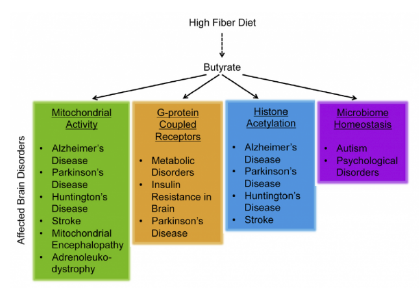
August 15, 2019 — 9:18 AM
In fairy tales, Hansel and Gretel and Little Red Riding Hood have to outsmart some pretty creepy monsters. A journey into the forest means fending off werewolves and witches who are lurking around the corner. They enter at their own risk and learn to pack a silver bullet—a seemingly simple, magical solution to fending off the villains.
In the real world, we grapple with different—albeit equally terrifying—monsters: leaky gut, autoimmunity, heart disease, and cancer. And as a gastroenterologist, I’m not supposed to tell you there’s one seemingly simple, magical solution to our medical issues. I even flat-out say to my patients, “There’s no silver bullet.” But let me tell you a secret—I actually think there’s something that comes close.
Curious about this real-life sprinkle of fairy dust? They’re called short-chain fatty acids (SCFAs), and I’m sharing the details on how they can shift your health for good and how to get more of them.
Why should you care about short-chain fatty acids?
Let’s start with the basics. SCFAs are produced when bacteria—the good kind—ferment fiber in the gut, thereby providing your body with energy, keeping your metabolism humming, and even thwarting a wide range of digestive disorders.
There are three main types of SCFAs: butyrate, acetate, and propionate. If you haven’t heard of them, that’s in large part because we’ve been ignoring fiber like it’s the nerdy kid from high school. But that’s all starting to change.
You see, fiber isn’t just “in one end and out the other” as we’d once been taught. Instead, prebiotic fiber—which boosts the healthy bacteria that are already living in your gut—reaches the colon and sends our probiotic bacteria into an absolute feeding frenzy. Jonesin’ for their favorite food, probiotics go to town, and what results is postbiotic short-chain fatty acids.
You’ve heard of prebiotics and probiotics, but did you realize that the entire point of these is to make postbiotics, or SCFAs? These underrated byproducts of fiber fermentation have been shown to have anti-inflammatory properties and loads of other health benefits in the gut and beyond.
What are the health benefits of SCFAs?
Back to my original point: SCFAs could be the silver bullet we’ve been looking for. Let me break the benefits down:
1. Your good gut microbes thrive on SCFA-producing fiber.
Studies have shown that fiber consumption increases the growth of healthy bacteria species such as lactobacilli, bifidobacteria, and prevotella. A January 2019 study showed that fiber also increases the diversity of species within the gut. Not to mention, the SCFAs produced by the fermentation of fiber in the colon suppress the growth of bad bugs like E. coli and salmonella. The end result: more good gut microbes, more diversity, and fewer bad dudes—all of which means better overall health.
2. SCFAs heal the colon wall and correct leaky gut.
Butyrate—remember, that’s one of the three types of SCFAs—is the main source of energy for our colon cells, providing up to 70% of their energy. In fact, it actually repairs leaky gut by increasing the expression of tight junction proteins, and, according to a 2012 study, butyrate has been shown to decrease bacterial endotoxin release into the bloodstream. If you’re a nerd like me, then you know that I just described the solution for the gut dysbiosis—a microbial imbalance within the gut that can drive a variety of health issues from IBS to rheumatoid arthritis to type 2 diabetes.
3. SCFAs help regulate the immune system.
Short-chain fatty acids have been shown to inhibit three of the most powerful inflammatory signals in the body, NF-κΒ, IFN-gamma, and TNF-α. They also play a role in regulatory T-cell production and function for the entire body, which is kind of a big deal in terms of keeping your immunity on track. So not only do SCFAs correct dysbiosis and heal leaky gut, they also create a powerful link between the microbiome and immune system that serves to make the immune system work properly. This explains why a loss of bacterial diversity and inadequate supply of the SCFA butyrate have been found at the heart of inflammatory bowel diseases like Crohn’s and ulcerative colitis.
SCFAs actually have a direct anti-tumor effect thanks to their ability to regulate gene expression through enzymes known as histone deacetylases, or HDACs. One of the necessary steps for cancer development is unchecked cell multiplication and growth. There are multiple studies showing that—through their activity on HDACs—SCFAs are able to inhibit cellular proliferation. When you have dangerous cells, it’s not enough to just slow down their growth. You need to stop them in their tracks, and the way this is done is by causing apoptosis, or programmed cell death. SCFAs have the ability to destroy cancer directly by inducing apoptosis. If that’s not a magic spell, then I don’t know what is.
So how do you get more SCFAs?
You may be thinking, “This sounds great—where’s the supplement?” The problem is that most butyrate supplements would be absorbed almost immediately in the small intestine and never make it to the colon (which is where it needs to end up). Plus, these SCFAs need to be properly balanced, which is exactly what happens when you let their trillions of bacterial friends do their job in the colon.
Instead, the best way to get the health benefits of SCFAs is through the consumption of dietary fiber found in fruits, vegetables, whole grains, seeds, and nuts. You can even try throwing it all into a gut-friendly smoothie. And for bonus points, sneak in some exercise, which we’ve recently discovered can help your body generate more SCFAs as well.
Bottom line: SCFAs are health-promoting powerhouses.
I could keep bragging about how SCFAs may help reverse diabetes, lower cholesterol, and protect us from heart disease and stroke. Or that SCFAs cross the blood-brain barrier, improving learning and memory, and may even protect us from Parkinson’s and Alzheimer’s diseases. That’s because this food molecule is not a flashy trend—SCFAs are a real game-changer with the potential to legitimately transform the health of those who pursue it. But there’s no magic pill, so keep loading up on fiber-rich foods and moving your body to harness their power.



 Meal Delivery Service by Millie Barnes