A Surprisingly Short Period of Inactivity Can Damage Your Health, Scientists Learn
Posted: October 24, 2019 Filed under: Health and Happiness Leave a commentBy Tori Sprung at inverse.com

Photo by Joanes Andueza on Unsplash
As a society, we aren’t getting as much exercise as we should. In fact, current activity guidelines state that adults should get at least 150 minutes of moderately intense activity — or 75 minutes of vigorous activity — every week. But research has found that one in four adults aren’t active enough.
It’s easy to see why. Many of us drive to work instead of walking — and for those of us who work desk jobs, many are often so focused on what we’re doing, we rarely get up from our desks except to visit the bathroom or get a drink. In short, though we might be busy, we aren’t moving very much. But after dealing with the stress of work week after week, it’s easy to daydream about unwinding on a warm beach, doing nothing but lounging around for a fortnight. But this might not be what our bodies need. In fact, it might actually be more harmful than we realize.
Our research looked at what effect even short periods of physical inactivity had on our bodies. We found that even just two weeks of low activity actually increased participants’ risk of later developing serious health conditions such as cardiovascular disease.
Keeping active
We know that physical activity is good for us. This is irrefutable, and we’ve known this for a long time. As far back as the 1950s, the link between day-to-day physical activity and health was first identified in the London transport workers study.
The study found that bus drivers were more likely to experience a heart attack compared to their bus conductor counterparts. The main difference between these two groups was that conductors spent their working day on their feet collecting fares from commuters, while bus drivers spent their days sitting down.
Since then, some have branded physical activity a “miracle cure” for cardiovascular risk. Yet, as a society, we are more sedentary than ever, and cardiovascular-related deaths remain the leading cause of death worldwide.
While we know that having a physically active lifestyle will improve our health, surely we aren’t doing any additional harm, even if we choose not to be physically active? We decided to examine exactly what the harmful effects of being physically inactive are.
For our study, we recruited young (aged 18-50 years), healthy weight (BMI less than 30), physically active individuals (meaning that they take more than 10,000 steps per day on average). After carrying out assessments to measure blood vessel health, body composition, and blood sugar control, we asked them to become inactive for two weeks.
Researchers assessed study participants’ health results after two weeks with a step counter.
To achieve this, participants were provided with a step counter and asked not to exceed 1,500 steps per day, which equates to approximately two laps of a full sized football pitch. After two weeks, we reassessed their blood vessel health, body composition, and blood sugar control to examine what effects two weeks of inactivity had on them. We then asked them to resume their usual routine and behaviors. Two weeks after resuming their normal daily lifestyles, we checked participants’ health markers to see if they’d returned to where they were when they’d started the trial.
Our group of participants successfully reduced their step count by an average of around 10,000 steps per day and, in doing so, increased their waking sedentary time by an average of 103 minutes per day. Artery function decreased following this two-week period of relative inactivity, but returned to their normal levels after two weeks following their usual lifestyles.
We were interested in seeing how activity levels influenced blood vessel health, since this is where most cardiovascular disease starts. Most of us don’t realize that our blood vessels are a complex system. They’re lined with muscle and constantly adapt to our needs by dilating (opening) and constricting (closing) to distribute blood where it’s most needed. For example, during exercise, vessels feeding organs such as the stomach will constrict, as it is inactive at this time, and so blood is redistributed to our working muscles to fuel movement. One of the earliest detectable signs of cardiovascular risk is a reduced function of this dilatory capacity.
To measure this, we used an imaging technique called flow-mediated dilation or FMD. FMD measures how well the arteries dilate and constrict, and it has been found to predict our future cardiovascular risk.
Heart health
We found that after as little as two weeks of inactivity there was a reduction in artery function. This indicates the start of cardiovascular disease development as a result of being inactive. We also observed an increase in traditional risk factors, such as body fat, waist circumference, fitness, and diabetes markers, including liver fat and insulin sensitivity.
Something we also observed — which we initially weren’t researching —was that resuming normal activity levels following two weeks of being physically inactive was below baseline. That is to say, our participants did not return back to normal within two weeks of completing the intervention.
This is interesting to consider, especially regarding the potential longer-term effects of acute physical inactivity. In real-world terms, acute physical inactivity could mean a bout of flu or a two-week beach holiday — anything that can have a potential longer-term effect on our usual habits and behavior.
These results show us that we need to make changes to public health messages and emphasize the harmful effect of even short-term physical inactivity. Small alterations to daily living can have a significant impact on health — positively or negatively. People should be encouraged to increase their physical activity levels, in any way possible. Simply increasing daily physical activity can have measurable benefits. This could include having a 10-minute walk during your lunch hour, standing from your desk on an hourly basis to break up sitting time, or parking your car at the back of the supermarket parking lot to get more steps in.
The impact of spending a large proportion of the day being inactive has received a lot of research in recent years. In fact, it has become a hot point of discussion among exercise scientists. As technology advances and our lives become increasingly geared towards convenience, it’s important this kind of research continues.
The health consequences of sedentary behavior are severe and numerous. Moving more in everyday life could be key in improving your overall health.
#lactosefree, #glutenfree, #organic, #mealdelivery, #mealdeliveryservice, #milliebarnes, #healthy, #healing, #allergies, #immunesystem, #cancer, #gersondiet, #nutrition, #glutenfreedesserts, #soups, #coaching, #nutritioncoaching, #mealsdelivered, #gettingwell, #moreenergy, #antiaging, #paleo, #wellness, #holistic, #livewell, #mediterreanean, #cooking
Doctors Against Dairy: Cheese and Milk Linked to Breast Cancer Risk
Posted: October 20, 2019 Filed under: Food and it's Impact on Our Health Leave a comment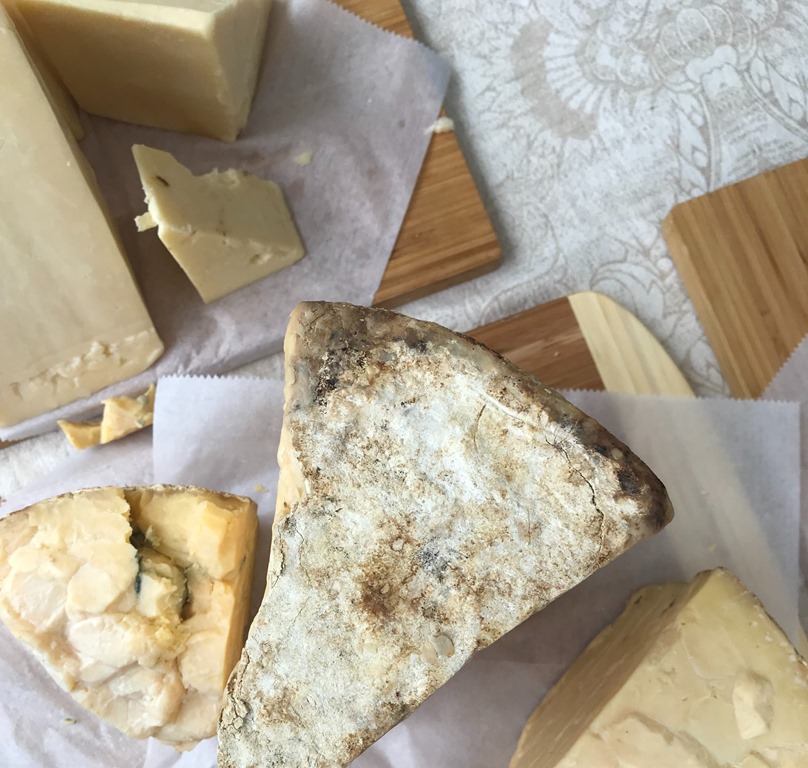 Photo by Rebecca Orlov | Orlov Design Co on Unsplash
In one of the more startling developments in food science, 12,000 doctors in the United States are petitioning for warning labels on cheese. “Dairy cheese contains reproductive hormones that may increase breast cancer mortality risk,” they warned.
What, is cheddar the new cigarette? No. Casein and estrogen are not nicotine and nobody’s about to blotch Brie with a label saying “Eating this kills.”
It is not suggested that eating cheese causes breast cancer. It isn’t even categorically proven that eating cheese really is associated with higher breast cancer rates, or that eating cheese causes higher mortality rates among women who already developed breast cancer. There are a lot of studies but the methodology is hardly uniform or even necessarily reliable, and there are innumerable parameters, including some that may be overriding. Like smoking, or living in nuclear waste. Those are parameters that tend to outweigh other parameters.
But the associations found so far are compelling enough for the doctors to choose to speak up.
A woman’s risk of developing breast cancer is 12.8 percent, or one in eight, in the United States. For men, it’s 0.13 percent, or just over one in a hundred.
The rate of invasive breast cancer incidence is lower, the Health Ministry told Haaretz — in Israel, it’s is 92.2 per 100,000 among Jews, and 69.8 among Arabs (compared to 124 per 100,000 in America — all figures for 2016). The older the person, the higher the probability: in Israel, almost 80 percent of breast cancer patients are aged over 50, and around 5,000 breast cancer patients are detected each year.
Certain individuals are at higher risk because of genetic factors, lifestyle factors or factors that nobody knows about yet — including, it seems, a predilection for high-fat fromage.
Among the evidence: A 2017 study funded by the National Cancer Institute that identified a 53 percent increase in the probability of breast cancer development among women who ate “the most American, cheddar, and cream cheeses.”
Another study found that among women with breast cancer, eating cheese is associated with a higher mortality risk. In a nearly 12-year follow-up, women eating one or more servings of high-fat dairy products a day (which could mean whole milk) had 49 percent higher breast cancer mortality.
“High-fat dairy products, such as cheese, are associated with an increased risk for breast cancer,” concludes the PCRM.
Proving associations between food and morbidity is extremely difficult because of the overwhelming number of parameters involved. Take cheese. What is cheese, anyway? “Dairy foods are complex mixtures which include nutrients and non-nutrient substances that could potentially influence cancer etiology, including breast cancer,” explains a separate paper published in Current Developments in Nutrition.
Let’s assume we can figure out what cheese is. If eating cheese really is associated with breast cancer, what component or components are responsible? We don’t know. If the culprit is the fat component, is there a safe level of fat in cheese? We don’t know. Does the risk outweigh the nutritional benefits of cheese to the lactose tolerant? What if the data is skewed by people lying about their cheese habit, or smoking, or diet in general, or their exposure to other carcinogens?
The culprit in cheese, if there is one, may be estrogenic hormones, though science never did understand exactly why a higher lifetime exposure to estrogen may be associated with breast cancer risk (which, again, does not mean the estrogen causes breast cancer).
Should we be eating cheese at all? Mammals wean their young, who after that turning point do not eat dairy and tend to lose their ability to produce lactase (the enzyme that digests milk and its products). But some studies do indicate that general dairy consumption — including, but not confined to high-fat — is good for us. Certainly it can be an advantage for vegetarians, if they can digest it.
In humans, the perpetuation of infantilism in the form of dairy consumption seems to have developed well after the domestication of the goat, sheep and cow some 11,000 years ago. The earliest-ever direct evidence of milk consumption was in, of all places, Britain — nowhere near where the animals were first husbanded, though whether the Neolithic farmers 6,000 years ago could actually digest the stuff or were stoic about the results of eating it is not clear.
Last year, archaeologists identified the earliest-known hard cheese, in an ancient Egyptian tomb dated to around 1615 B.C.E. It had been made of a mix of milks from sheep, goat and African buffalo.
Breast cancer, like all cancers, is enigmatic, and if there are risks they’re worth knowing about. Alcohol consumption is also associated with higher cancer risk, for instance, and yet again science isn’t sure why. Particulate smog is as well.
#mealdeliveryservice, #jax,#lactosefree,#glutenfree,#JacksonvilleFL,#nutritioncoaching, #allergies,#cancer,#energy,#higherenergy,#healing, #beyondpaleo
Easy Dairy Free Key Lime Pie that’s Very Low in Sugar!
Posted: October 18, 2019 Filed under: Recipes Leave a comment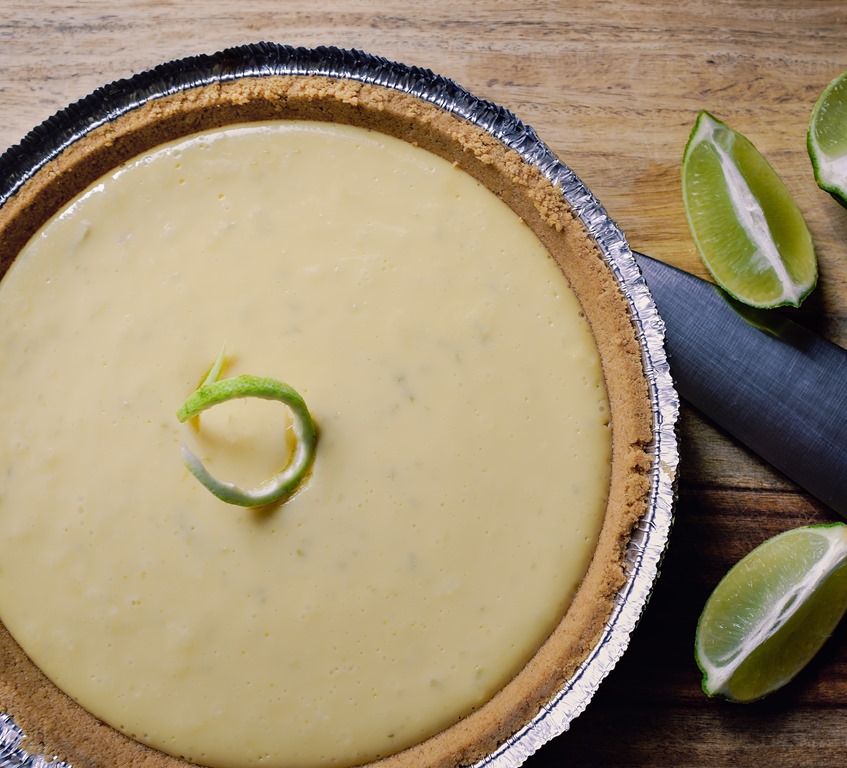
1 can (13.5 ounces) organic coconut milk
1 banana
1 tablespoon arrowroot
3 organic eggs
1/8 teaspoon unrefined sea salt
1/2 teaspoon pure vanilla extract
½ cup Nellie & Joe’s Famous Key West Lime Juice (NO substitutions!)
1/2 cup coconut sugar
1 Tablespoon Lime zest
1 prepared pie crusts (gluten free pie crusts are available at the health food store.
Preheat oven to 325 degrees.
Prebake pie crusts about 14 minutes, using a pie crust guard.
Place all ingredients in a blender and process until smooth and creamy. Pour filling into prepared crust and bake in middle of oven for 50 minutes. Cool pie completely on rack (filling will set as it cools), then chill, covered, at least 4 hours before serving. Serve cold
How Does Exercise Affect Our Microbiome?
Posted: October 18, 2019 Filed under: Food and it's Impact on Our Health Leave a comment Photo by Jacob Postuma on Unsplash
So, exercise has the ability to strengthen your gut and enhance SCFA release, which is great news. But does it work both ways? Do microbes play any role in exercise performance?
A recent study would suggest that, yes, indeed they do.
Nature Medicine published the study, noting that researchers identified a specific bacterial strain called Veillonella atypica that was dramatically increased in marathon runners post-marathon. What’s cool is that this particular bacteria has the ability to break down lactic acid, which is the acid that builds up in muscles during endurance exercise. Makes sense, right?
When the scientists transferred this particular bacteria into mice, they found that the recipients had improved treadmill run time performance. Yes, they performed better athletically based purely on the presence of this microbe.
Sure, it’s an exciting finding in the world of marathon running, but what I’m most excited about is to see what we find when we study different sports. Is there a special microbe that enhances the start/stop movements in basketball or that promotes muscle recovery after a vigorous workout? My guess is the answer will be yes—but only time will tell.
Now, here’s the truth: Exercise is a good idea, regardless of whether it alters your microbiome. But that said, it’s nice to know that physical fitness also promotes gut fitness because strong guts translate into better health.
Passion fruit Glazed Shrimp
Posted: October 14, 2019 Filed under: Recipes Leave a comment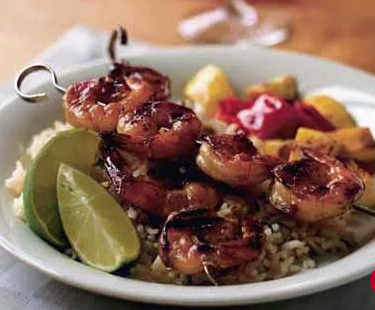 photo by; Becky Luigart-Stayner
Original recipe on My Recipes (although I have changed the recipe)
Passion fruit Glazed Shrimp
Serves 4
1/2 cup passion fruit nectar or Pomegranate juice and Tamarind juice (if you can’t find nectar)
2 tablespoons fresh lime juice
1 teaspoon low-sodium soy sauce
1/2 teaspoon crushed red pepper
1/4 teaspoon salt
2 pounds large shrimp, peeled and deveined
8 lime wedges
1. Bring water and sugar to a boil in a small saucepan, stirring until sugar dissolves. Add passion fruit pulp, stirring well, and cook 1 minute. Remove from heat; cool 15 minutes.
2. Strain passion fruit mixture through a sieve into a large bowl; discard seeds. Add lime juice, soy sauce, red pepper, and salt, stirring well. Set 1/2 cup passion fruit mixture aside. Add shrimp to remaining passion fruit mixture, and toss well to coat. Cover and refrigerate 15 minutes.
3. Preheat broiler to medium.
4. Thread 4 shrimp on each of 8 (10-inch) skewers. Place skewers on grill rack coated with cooking spray. Broil under broiler 2 minutes on each side or until done, basting with reserved 1/2 cup passion fruit mixture. Serve with lime wedges.
Why Dark Chocolate is Good for Your Health
Posted: October 14, 2019 Filed under: Food and it's Impact on Our Health Leave a comment
By Jesus Diaz at gizmodo.com
Confirmed: Dark chocolate is good for your heart. Really good. What’s better, scientists have discovered that people who eat 70 grams of chocolate every day increase their vascular health dramatically by “restoring flexibility to arteries and preventing white cells from sticking to the walls of blood vessels.”
The research published in the March 2014 issue of The FASEB Journal—one of the most respected publications in experimental biology—was conducted on 44 middle-aged overweight men over two periods of four weeks.
Previous investigations said that regular dark chocolate may not be that good for you because manufacturers remove flanavol from it, which is too bitter for most people. But according to Doctor Diederik Esser—one of the paper’s authors—”increasing flavanol content has no added beneficial effect on vascular health.” Adding chemical shit, however, will have an effect on your health, so please don’t stuff your faces with industrial crap chocolate sold by the likes of Hershey’s and Cadbury.
There are a lot of raw chocolate bars available, my favorite is LuLu’s
#mealdeliveryservice, #jax,#lactosefree,#glutenfree,#JacksonvilleFL,#nutritioncoaching, #allergies,#cancer,#energy,#higherenergy,#healing, #beyondpaleo
Vitamin C Serum- DIY
Posted: October 14, 2019 Filed under: Recipes, Skin Care Leave a commentVitamin C Serum
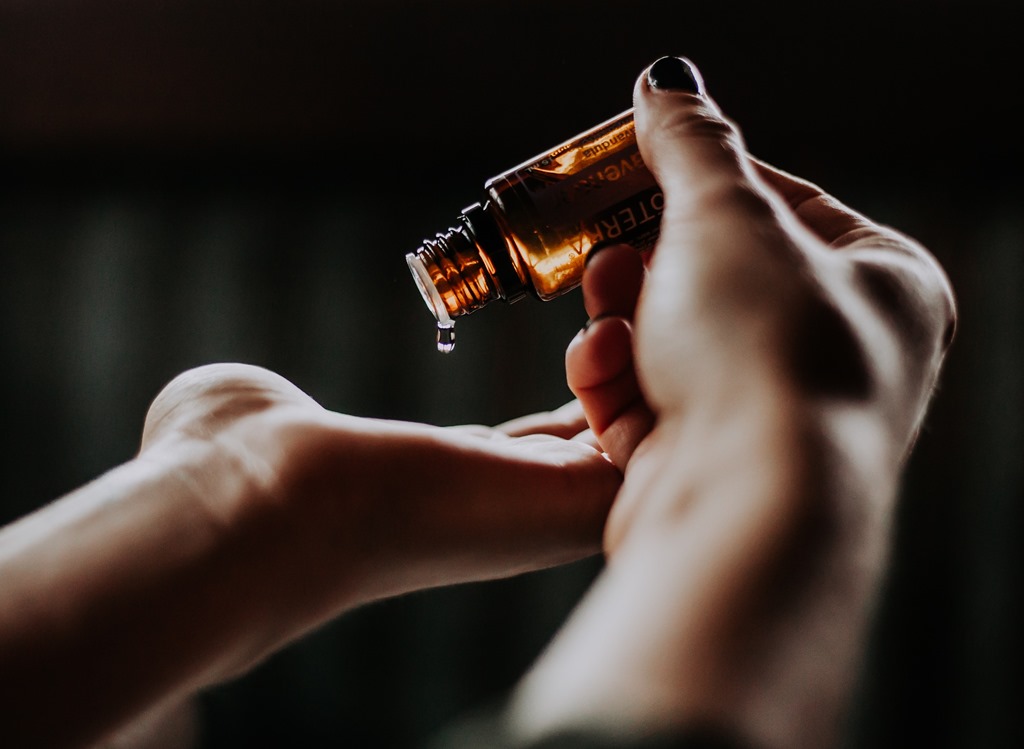 Photo by Christin Hume on Unsplash
Make every 10 days
1 Tablespoon Aloe gel – organic gel from the health food store
! Teaspoon rose water/Witch hazel toner/ green tea extract- I make this myself.
1 teaspoon Vitamin C (I use Resurrection Beauty L-Ascorbic acid Fine Granular Powder (available on Amazon)
¼ dropper lactic acid (L. D. Carlson Lactic acid 88% (available on Amazon)
½ teaspoon ferulic acid powder – Nature and Nurture’s Ferulic Acid Powder (available on Amazon)
1/3 teaspoon papaya powder- optional
1. Slightly warm toner, not above 115 degrees and dissolve powders.
2. Add other ingredients and shake vigorously. Keep in dark bottle in the fridge and apply after washing your face, before moisturizer.
Bacon BBQ Chicken Bombs
Posted: October 13, 2019 Filed under: Recipes Leave a comment
A delightful bite sized chicken wrapped around (dairy free) Cream Cheese with Jalapenos wrapped in bacon and baked dipped in BBQ Sauce (very mild as I use only a small amount of jalapeno). Baked until the chicken is done and the bacon is crispy, then coated in BBQ sauce and baked a little bit more.
Serves 5
10 boneless skinless chicken fillets
5 jalapenos, de-seeded, sliced in half lengthwise
4 ounces soy cream cheese, softened
salt and pepper to taste
20 slices bacon
1 cup barbecue sauce
1) Wash jalapenos, cut stem off, slice lengthwise, remove seeds and clean out center. Rinse jalapenos a second time.
2) In a mixing bowl, mix cream cheese until well blended. Fill each jalapeno half with about 1 Tbs or little more of cheese mixture.
3) Place filled jalapeno half, cheese side down on chicken fillets and roll chicken around jalapeno. It doesn’t always close the way you think it should. No worries! The bacon will pull it all together.
4) Wrap 2 pieces of bacon (one at a time) tightly around the rolled chicken, start at one end, wrap half the fillet and finish the 2nd half with the other piece of bacon, and tuck bacon into itself to seal ends closed. You do not need toothpicks, because it all comes together in the cooking process.
5) Preheat oven to 400 degree and place chicken bombs on a foil lined baking sheet.
Bake for 20 minutes, turning once to help cook the bacon. Reduce heat to 375 degree, line another baking sheet or pan, and place chicken bombs in
a new one.
6) Brush each chicken bomb with barbecue sauce, then use a spatula to flip them over to the other side, and brush the tops with more sauce and return to the oven for 5-6 minutes.
7) Remove from oven, brush on more sauce, and place under broil setting for a few
minutes so bacon can crisp completely, and the chicken is totally cooked through.
Remove from the oven and let sit for at least 10 minutes before serving.
Lemon Blueberry Muffins
Posted: October 13, 2019 Filed under: Recipes Leave a comment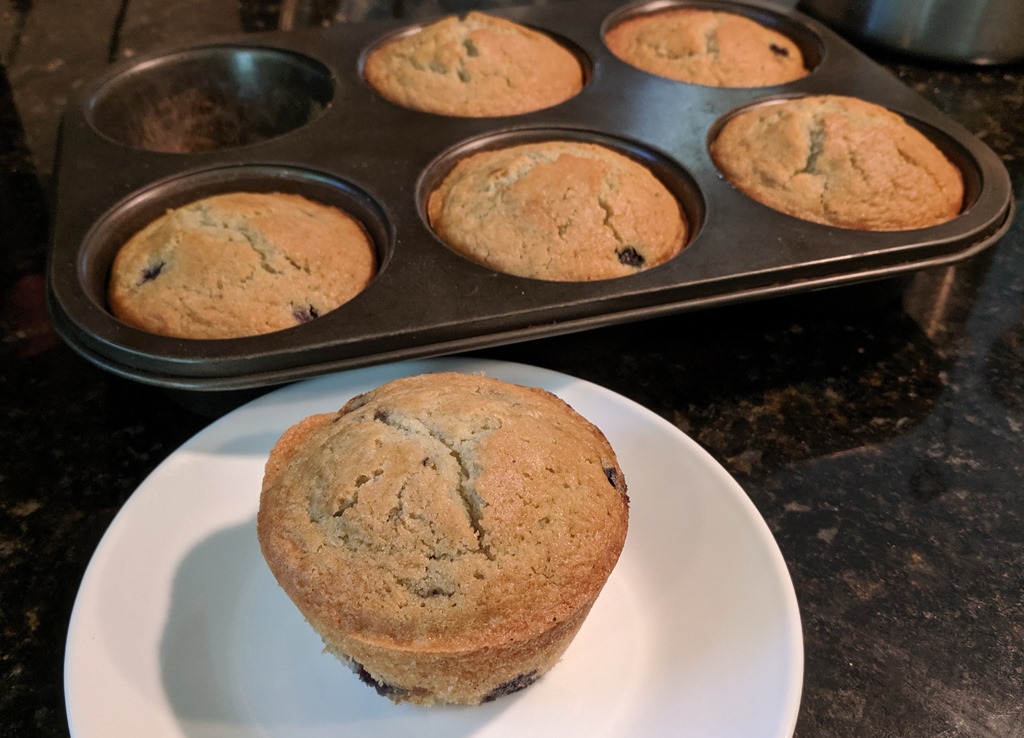
Blueberry Muffins
1 ¼ cups Bisquick Gluten Free mix or Bob’s Redmill Baking Mix
½ cup packed light brown sugar
¾ cup fat-free (skim) milk
½ cup butter, melted
½ teaspoon lemon extract
1 Tablespoon lemon zest
2 teaspoons gluten-free vanilla
2 eggs
¼ cup diced fresh or frozen blueberries
1 teaspoon Bisquick Gluten Free mix
10 fresh strawberry slices
1. Heat oven to 375°F. Place paper baking cup in each of 10 regular-size muffin cups.
2. In medium bowl, stir 1 1/4 cups Bisquick mix and the brown sugar with whisk. Mix blueberries with dried ingredients (this keeps them, from sinking in the dough as they bake). In small bowl, stir milk, butter, vanilla and egg with whisk until well blended. Add to dry ingredients, stirring just until moistened.
3. Bake 25 minutes. Cool 5 minutes. Remove from pan to cooling rack. Serve warm.
Four Words From Dermatologists That’ll Change Your Life: Stop Showering Every Day
Posted: October 10, 2019 Filed under: Skin Care Leave a comment Photo by Chandler Cruttenden on Unsplash
by Rachel Lapidos on wellandgood.com
I used to really like showering. I’d linger beneath the spout and luxuriate in the hot water, which helped wake me up in the morning and/or release all my body’s tension after a really long day. These moments let my mind come up with all sorts of creative ideas that only occur when you’re washing your body. These days, though? I’m over it.
Showering’s annoying. It’s just a whole ordeal. And guess what? Dermatologists back me up on this. You have expert-approved permission not to shower every single day. “It doesn’t matter what time of year it is—your entire body does not need to be washed daily,” says Rachel Nazarian, MD, board-certified dermatologist with Schweiger Dermatology. Controversial opinion maybe, but she’s got backup—dermatologist Mona Gohara, MD, star of Well+Good’s Dear Derm video series, says “you’re fine to skip a shower day or two.” “Your entire body does not need to be washed daily.” —Rachel Nazarian, MD
Before you go carefree frolicking about while allowing your tub to collect dust—you still have to tend to the particularly pungent parts of your body so that you keep all of your friends. “All you need to do is clean the smelly parts,” says Dr. Gohara. The parts in question are the usual suspects: your pits, your groin, and your feet, which Dr. Nazarian says harbor more bacteria than other areas. “I recommend those areas be washed daily with a gentle cleanser since they’re really the primary areas that should be considered ‘dirty,’” she says.
And fun fact: You can skip the body wash if you’re washing your hair. “Shampoo will actually wash the rest of your body passively—there’s no need to take soap and specifically wash your arms, your legs, or your trunk,” says Dr. Nazarian, who adds that using more soap on those areas will actually strip your skin’s natural oils and dry them out.
“It’s certainly part of our culture to over-clean,” she says. You may be wondering: What if I do a sweaty workout, though? “Working out or going to the gym doesn’t actually change this,” says Dr. Nazarian. “Sweating doesn’t make you dirty.” Just stick with cleaning those three bacteria-prone areas of your body, and you’re good to go. (The only sporty scenario where she actually advises more cleansing is if you’re doing something like wrestling or MMA, where you have skin-to-skin contact with others.) So, there have it—showering is overrated.
Read more on the latest wellness trends at Well+Good


 Meal Delivery Service by Millie Barnes