The Most ‘underrated’ Nutrient 90% of Americans are Lacking—it ‘Boosts Brain Health
Posted: October 13, 2023 Filed under: Food and it's Impact on Our Health | Tags: #delivery, #glutenfree, #healthyeating, #Lactosefree, #mealdelivery, #MillieBarnes, #nutritioncoaching, #Ortega, #pescatarian, #Riverside, #SanMarco, #soyfree. #freedelivery, #Springfield, #vegetarian, #weightloss Leave a comment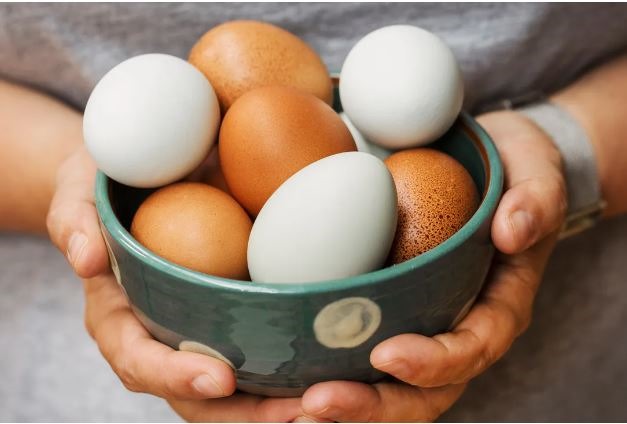
Choline is an essential nutrient, which means that it isn’t adequately produced by the body. Your liver makes small amounts, and the rest is typically supplied from food.
We need choline because it helps support and regulate major body functions, mood, muscle control and nervous system functions, and boosts brain health.
How much choline should you be getting?
Personal choline needs will vary depending on factors like diet, gender and pregnancy.
If you’re pregnant or plan to become pregnant, for example, choline is beneficial for a baby’s brain development, tissue growth and other physiological processes.
According to the National Institutes of Health’s Office of Dietary Supplements:
- Adult men 19 years and older should aim for 550 milligrams a day.
- Adult women 19 years and older should aim for 425 milligrams a day.
- Pregnant people should aim for 450 milligrams a day.
- Breastfeeding people should aim for 550 milligrams a day.
Research shows that about 90% of Americans aren’t meeting these daily adequate intake amounts for choline. But eating more foods high in choline is one simple solution, especially because multivitamins don’t typically contain choline.
Foods high in choline
1. Meats and fish
Beef, chicken and fish are great for protein, and they can double as rich sources of choline.
Beef liver is one of the highest available food sources of choline, which makes sense, as the liver is the organ that produces choline. Just three ounces provide 356 milligrams of choline.
Some other choline-rich meat and fish options include:
- Chicken breast: 3 ounces provide 72 milligrams of choline
- Ground beef: 3 ounces provide 72 milligrams of choline
- Atlantic cod: 3 ounces provide 71 milligrams of choline
When I have a fast-food craving, I love to use ground beef or shredded chicken breast to make crunch-wrap supremes. Blackened cod is a great choice for delicious and easy fish tacos.
2. Eggs
Eggs are the second highest food source of choline after beef liver, providing 147 milligrams per one large egg.
Baked casserole is an easy way to make this fridge staple into a filling meal. I’ve found that the combination of veggies, sweet potatoes and feta cheese in this hearty casserole recipe is a crowd favorite for breakfast, brunch, or even dinner.
3. Red potatoes
Red potatoes are particularly rich in choline, with 57 milligrams per one large potato. Just make sure to eat both the flesh and the skin to get the maximum benefit.
This smashed potatoes recipe is a hybrid between mashed and roasted potatoes. The crispy skin can be topped with your favorite herbs and spices for added flavor. And you can’t go wrong with chives for a classic baked potato taste.
4. Cruciferous vegetables
About 90% of Americans aren’t eating enough vegetables, according to the Dietary Guidelines for Americans.
If you’re looking to add more vegetables to your diet, choline-rich cruciferous types are a great place to start:
- Brussels sprouts: 32 milligrams of choline per half cup
- Broccoli: 31 milligrams of choline per half cup
- Cauliflower: 24 mg of choline per half cup
- Cabbage: 15 mg of choline per half cup
Roasting Brussels sprouts, broccoli and cauliflower is the simplest way to prepare these veggies. I also love making cabbage rolls with ground beef filling so you get a double dose of choline in one delicious and easy option.
5. Soybeans
If you follow a vegetarian or plant-based diet, soybeans are a great protein source that’s also high in choline. Every half cup of soybeans contains 107 milligrams of choline.
Soybeans are included in many meat alternatives, such as:
- Tofu
- Tempeh
- Textured soy protein
Air frying tofu or tempeh gives an extra crispy texture, and textured soy protein can easily be made on the stovetop as a fun alternative to beef crumbles in tacos and quesadillas.
Edamame is a great option, too. The beans are harvested while still green and give off a sweet flavor. I’ve made this teriyaki salmon bowl with edamame more times than I can count.
Lauren Armstrong is a registered dietitian and personal nutrition coach. Formerly, she worked as a nutritionist for the Women, Infant and Children (WIC) program. Lauren received her bachelor’s degree in dietetics from Western Michigan University, and has written for several publications, including Livestrong and HealthDay.


 Meal Delivery Service by Millie Barnes